
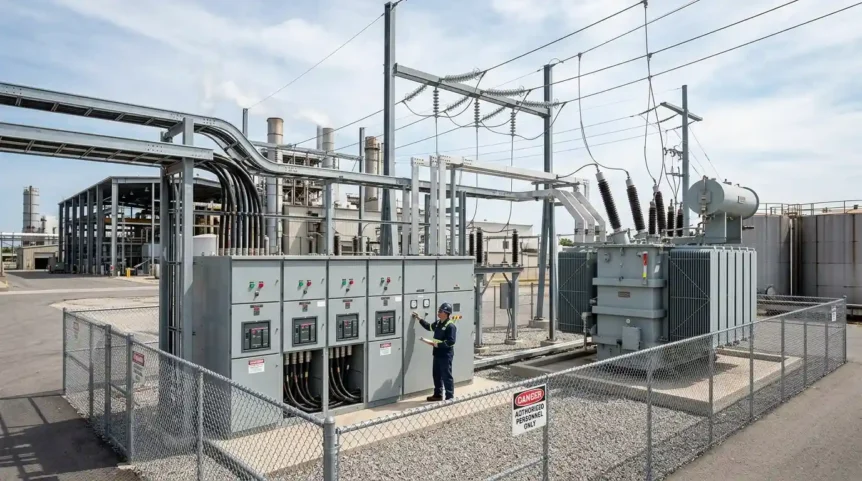
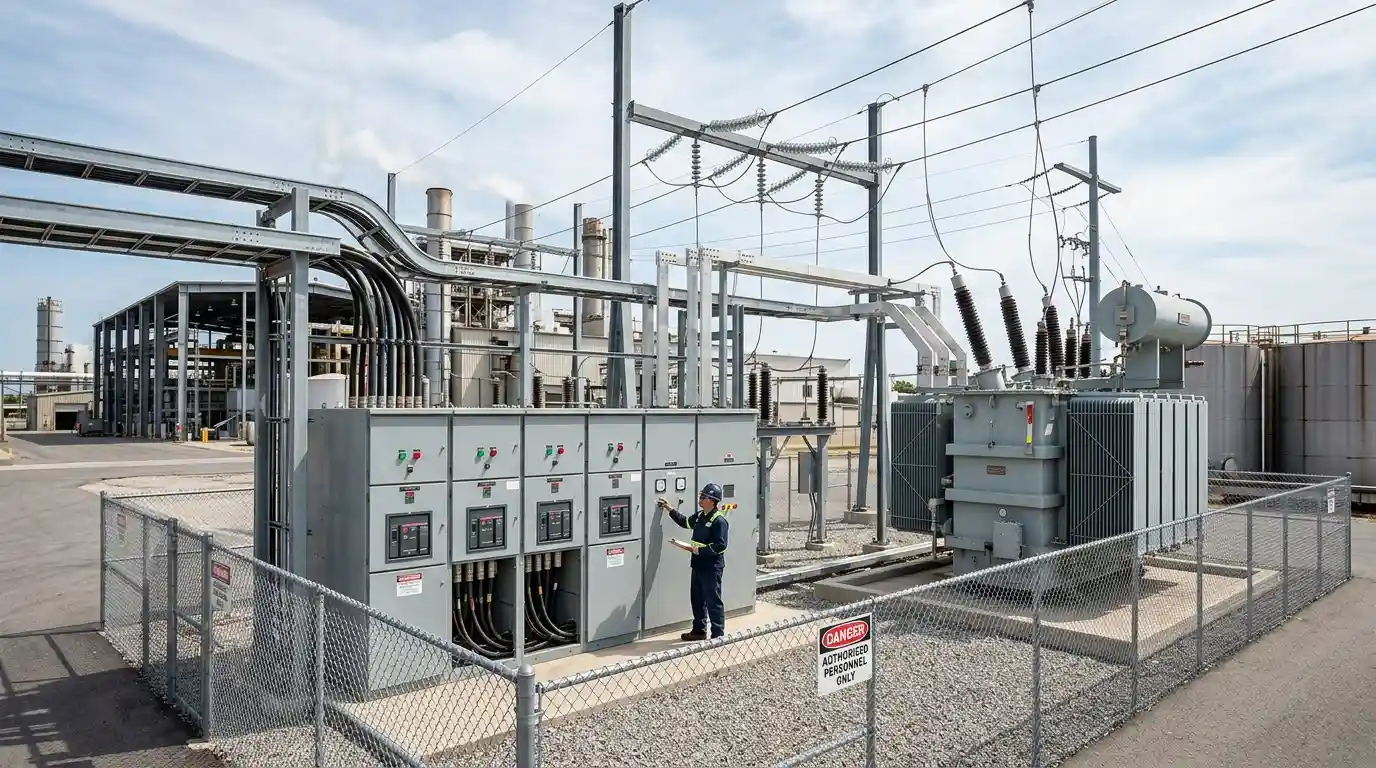
Industrial power systems are the sophisticated electrical networks that power heavy-duty operations like factories and mining facilities. They manage the safe distribution of high-voltage energy to support continuous production and equipment reliability.
These robust infrastructures ensure that critical machinery receives steady electricity while minimizing downtime. By optimizing energy usage, these systems provide the stability required for modern industrial automation and plant performance.
What Are Industrial Power Systems?
Understanding these specialized devices is essential for every engineering practitioner because they serve as the fundamental backbone for managing electrical power conversion to support the stability of critical industrial automation systems.
Industrial power supplies act as the vital component in converting high-voltage alternating current into stable direct current, ensuring machine operations and control devices remain protected from the risks of power surges.
Read Also: Industrial Power Supplies: A Complete Guide to Reliable Energy
Key Characteristics & Features
The following points outline the primary technical characteristics that must be fulfilled by industrial-grade power units to ensure maximum reliability and operational efficiency within various demanding and complex working factory environments.
1. Rugged Design
These systems feature a ruggedized architecture specifically engineered to operate optimally under extreme temperature conditions, high dust exposure, and levels of electromagnetic interference that potentially damage sensitive electronic components found throughout facilities.
Resistance to heavy vibrations and high humidity remains an essential standard ensuring these devices function without mechanical failure, making them mission-critical components for maintaining continuous production processes across global large-scale manufacturing.
2. Voltage Regulation
The ability to maintain voltage stability with high precision is a core feature enabling machinery to operate accurately, while ensuring clean power delivery to prevent performance degradation in used precision equipment.
The standard 24V DC output serves as the primary parameter in modern automation design because it offers significantly higher safety levels compared to other voltage configurations when powering various industrial control devices.
3. Safety Protections
Comprehensive protection features like overvoltage protection, overcurrent management, and thermal overload shielding are integrated to detect electrical anomalies before they cause fatal damage to expensive machine assets valued at very high costs.
By implementing such fail-safe mechanisms, every unit minimizes risks of fire or electrical faults, thereby ensuring a safe working environment compliant with the latest global industrial standards for professional manufacturing facilities.
Understanding Industrial Power Systems: The Backbone of Manufacturing
This section provides a high-level definition of industrial power systems, highlighting their critical role in heavy-duty environments like factories and mining operations to ensure efficiency and safety.
Modern manufacturing relies heavily on complex electrical networks to maintain operational speed. These systems transform utility-grade power into the specific voltages needed for industrial machinery.
Beyond mere distribution, they act as the foundation for operational efficiency and plant safety. A well-designed network prevents energy waste while shielding expensive equipment from electrical anomalies.
Core Components of Industrial Electrical Infrastructure
An overview of the interconnected components that make up a facility’s power network, emphasizing the necessity of a robust infrastructure. These components work together to provide consistent power across diverse industrial zones.
1. Primary Distribution and Substations
The utility grid supplies high-voltage electricity that requires immediate conversion for site use. Step-down transformers safely reduce this voltage to levels compatible with facility-wide machinery.
Switchgears serve as the vital control layer for these distribution circuits. They isolate electrical equipment for maintenance and quickly clear faults to prevent widespread system failures.
2. Control and Automation Panels
Motor Control Centers provide centralized management for essential industrial motors and heavy equipment. They house critical components like fuses and starters to ensure safe motor operation.
PLC-Automation Panels act as the intelligence of the facility by executing complex programs. Meanwhile, APFC Panels maintain high power quality and prevent expensive utility penalties through efficiency.
3. Backup and Critical Power Systems
Standby generators paired with an Automatic Transfer Switch ensure that operations continue during grid failures. This redundancy is essential for preventing significant production losses during outages.
Uninterruptible Power Supplies protect sensitive automation hardware from sudden voltage fluctuations. By providing clean, constant energy, these systems safeguard critical data and prevent equipment damage.
Maintenance, Engineering, and Compliance
Address the lifecycle management of power systems, including the necessity of routine maintenance, motor rewinding, and the importance of adhering to IEEE or IEC safety standards.
1. Modernization and System Upgrades
Aging infrastructure often struggles to meet current safety standards set by IEEE or IEC. Modernization projects replace outdated hardware to improve overall system reliability and safety.
These upgrades also integrate advanced technology to monitor system health in real-time. By investing in modern equipment, facilities can significantly reduce risks and enhance long-term performance.
2. Professional Power Management Services
Partnering with EPCM providers offers a comprehensive approach to power management and facility repairs. These experts ensure that every component complies with industry best practices.
Specialized contractors bring the experience needed for complex tasks like motor rewinding and electrical overhauls. Their support helps facilities maintain compliance while maximizing the lifespan of their assets.