
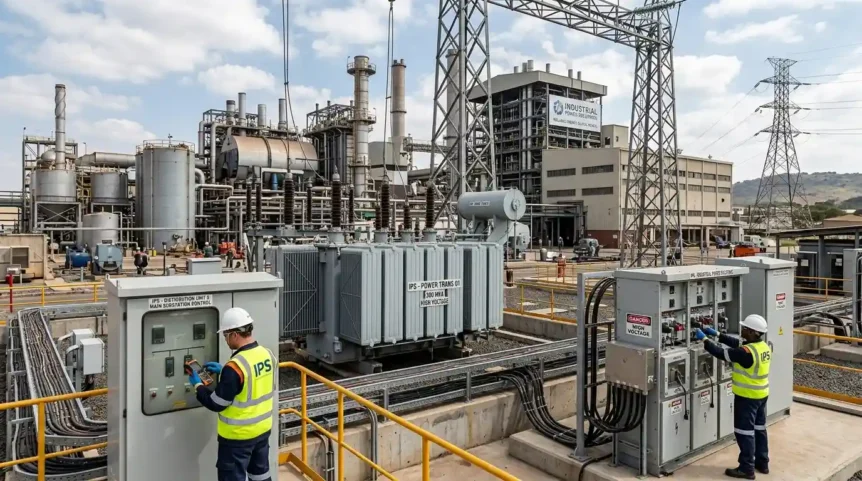
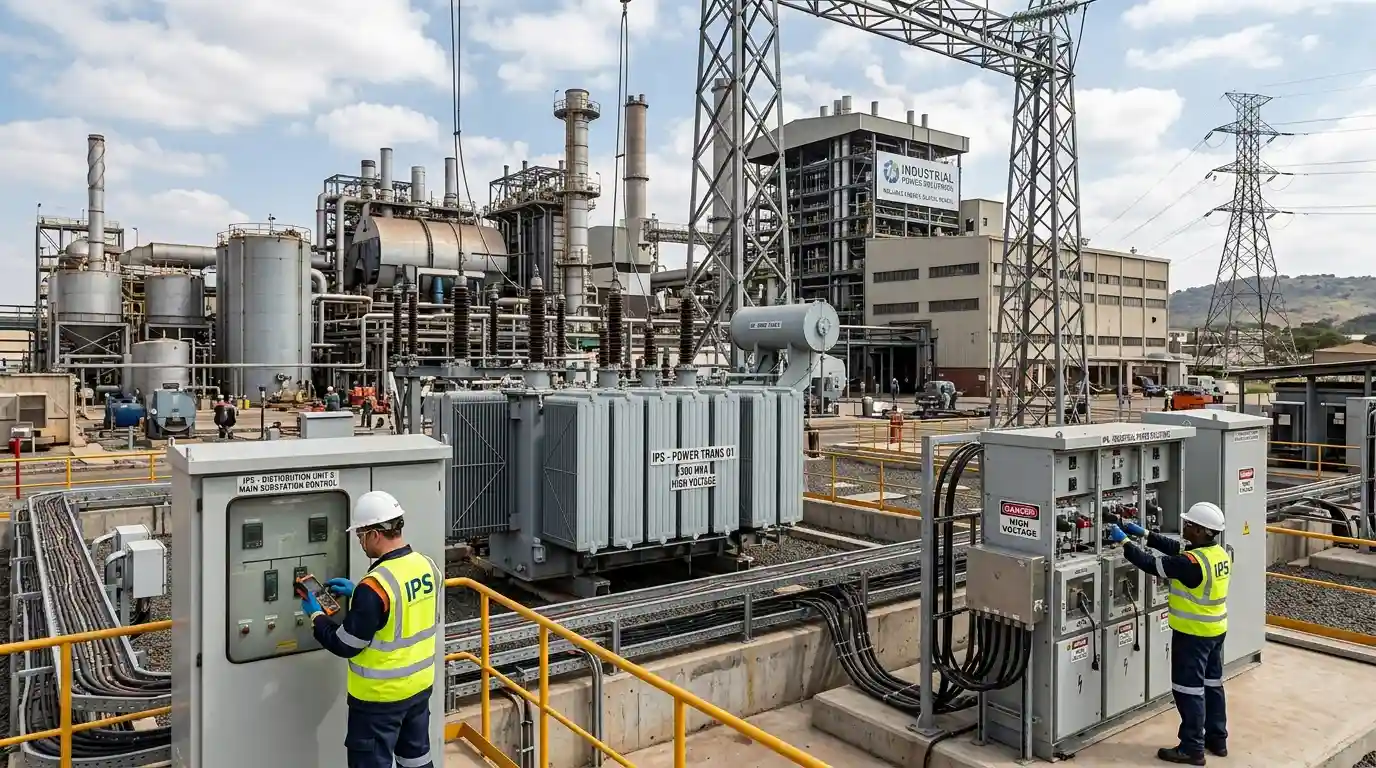
Modern industrial facilities demand constant, reliable electricity to maintain complex production cycles. Investing in robust Industrial Power Solutions ensures that your operations remain resilient against costly downtime and energy inefficiencies.
These professional systems integrate advanced electrical engineering, precise procurement, and rigorous maintenance protocols. By prioritizing power reliability and safety, businesses can optimize their bottom line while meeting evolving industrial standards.
What are Industrial Power Solutions?
Industrial Power Solutions represent the end-to-end lifecycle management of electrical infrastructure within large-scale commercial or manufacturing environments. This encompasses everything from initial design and hardware procurement to ongoing system maintenance and upgrades.
The primary goal is to ensure high operational reliability and safety for all onsite equipment. By focusing on energy efficiency, these solutions help facilities minimize waste and reduce overhead costs significantly.
Read Also: ABB Power Technology IDC Infrastructure Application
Primary Power Generation and Distribution Systems
Reliable electricity starts with high-performance infrastructure capable of managing the massive energy demands of modern industrial operations. This section details the critical systems required to generate, transform, and distribute power effectively throughout your facility.
1. Substations and Transformers
High-voltage transmission lines bring electricity into the facility at dangerous levels, often around 20 kV. Substations and transformers are vital to safely step this power down to usable levels.
This infrastructure ensures that heavy-duty equipment receives stable voltage without risk of thermal overload. Proper installation is critical to maintain continuous, safe flow throughout the entire industrial site.
2. Captive Power Generation
Large-scale operations often utilize captive power to guarantee total continuity of their power supply. This involves local generator sets, typically fueled by gas or coal, to operate independently from the grid.
Such systems act as a primary hedge against sudden utility failures or grid instability. This autonomy is essential for facilities that cannot afford any interruption in their manufacturing output.
3. Medium and Low Voltage Configurations
Efficient power distribution relies on smart configurations, such as the three-phase four-wire system, to balance heavy industrial loads. Systems running at 277/480V provide the necessary force for high-torque motors.
Designing these configurations correctly prevents overloading and improves the overall electrical distribution efficiency. Precision in wiring and panel layout directly correlates to long-term system stability and safety.
Machine Power Supply and Control Infrastructure
Precision control is the heartbeat of any manufacturing floor, requiring clean and stable power to maintain operational accuracy. Below are the key components used to regulate and protect the complex machinery driving your production.
1. Programmable Logic Controllers (PLC)
The Programmable Logic Controller acts as the brain of modern machinery, requiring extremely stable input voltage to function correctly. These controllers typically operate on 24 VDC, 110 VAC, or 220 VAC dedicated lines.
Fluctuations in these lines can lead to erratic machine behavior or logic failures. Dedicated, clean power supplies ensure consistent control cycles and precise automation execution across the factory floor.
2. Regulation and Surge Protection
Power quality devices are essential to shield sensitive electronics from dangerous voltage spikes and surges. These tools regulate incoming power, ensuring that machines operate within safe electrical parameters.
Protecting your equipment prevents costly hardware damage while simultaneously safeguarding worker safety from fire hazards. Implementing robust surge protection is a foundational aspect of any professional electrical setup.
Sustainability and Renewable Energy Integration
As industries strive to meet global environmental goals, integrating sustainable energy sources into existing power systems has become a top priority. The following technologies help balance traditional energy reliance with modern, green innovations.
1. Commercial Solar PV Solutions
Many facilities are now installing rooftop solar arrays to lower operational expenses and improve decarbonization. These Commercial Solar PV systems turn idle roof space into active power generation assets.
By reducing reliance on external utility grids, companies gain more control over their energy costs. This transition to renewable sources is a major milestone in achieving corporate sustainability targets.
2. Battery Energy Storage Systems (BESS)
Battery Energy Storage Systems allow facilities to store excess energy for use during high-demand periods. This process, known as peak shaving, helps companies avoid expensive peak-time electricity rates.
These massive lithium-ion or flow-based systems support the integration of volatile renewable sources. They act as a stabilizing buffer that balances local supply with industrial demand patterns.
3. Energy Efficiency and Optimization
Minimizing power loss, defined by the formula $P = I^2R$, is crucial for reducing wasted energy across long distribution cables. Strategic energy audits identify where these losses occur within the factory layout.
Automated energy management systems can then optimize load distribution to keep efficiency high. Reducing waste lowers the overall carbon footprint while simultaneously maximizing the return on energy investments.
Critical Power and Backup Systems
Unforeseen grid interruptions can lead to catastrophic losses if your facility lacks proper redundancy. This section covers the essential backup technologies designed to maintain power integrity during emergency situations.
1. Uninterruptible Power Supply (UPS)
The Uninterruptible Power Supply serves as an immediate, temporary shield during sudden grid failures. It prevents sensitive control systems from shutting down or losing vital data during a blackout.
Providing this buffer time is essential for the graceful shutdown of mission-critical machinery. This prevents both hardware damage and the lengthy restarts that follow unexpected power interruptions.
2. Industrial Generators (Diesel/Gas)
When grid power fails, automatic industrial generators provide the heavy-duty backup needed to keep facilities running. These units start within seconds to replace utility power with reliable, autonomous electricity.
Whether powered by diesel or natural gas, they are sized to support the entire plant’s load. This automation minimizes downtime and protects the integrity of ongoing production cycles.
3. DC Systems, Rectifiers, and Battery Banks
DC systems are indispensable for providing pure, uninterrupted power to telecommunications and switchgear. Rectifiers convert AC to DC, keeping battery banks constantly charged for immediate use.
This ensures that vital safety and communication systems remain active even during a complete plant power failure. It is the most reliable way to maintain visibility and control during emergency situations.
Effective Power Management and Maintenance
Long-term operational success depends on how well you monitor and maintain your electrical assets over time. Implementing a proactive strategy prevents equipment failure and ensures compliance with international safety benchmarks.
1. Predictive Maintenance via IoT
Predictive maintenance uses IoT sensors to monitor the health of transformers and motors in real-time. By tracking thermal and vibrational data, these systems detect anomalies before they cause a breakdown.
This proactive approach saves thousands in repair costs and prevents unplanned production halts. Using data-driven insights ensures that power assets operate at peak performance for as long as possible.
2. Compliance, Standards, and Certification
Adhering to global standards like ISO 45001 and ISO 14001 is non-negotiable for modern, safety-conscious industrial facilities. These certifications prove your commitment to workplace safety and environmental management.
Maintaining compliance requires rigorous documentation and regular system audits by qualified professionals. Following these established industry standards shields the company from legal risks and enhances overall operational credibility.