
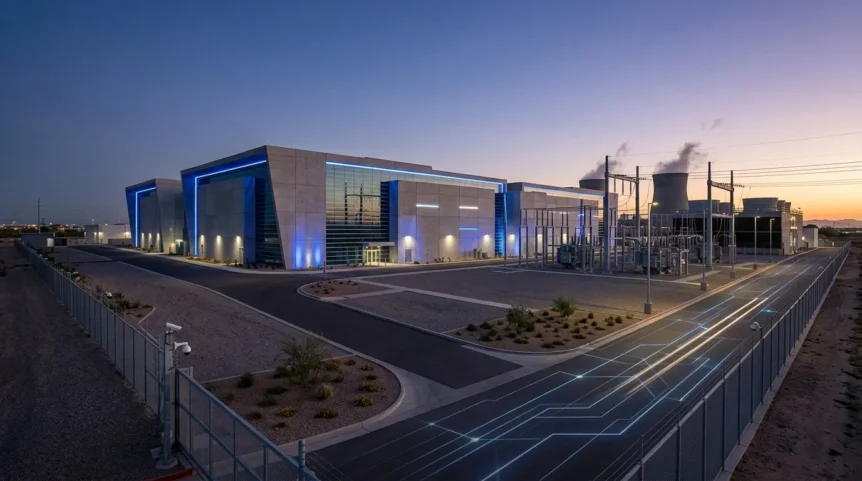
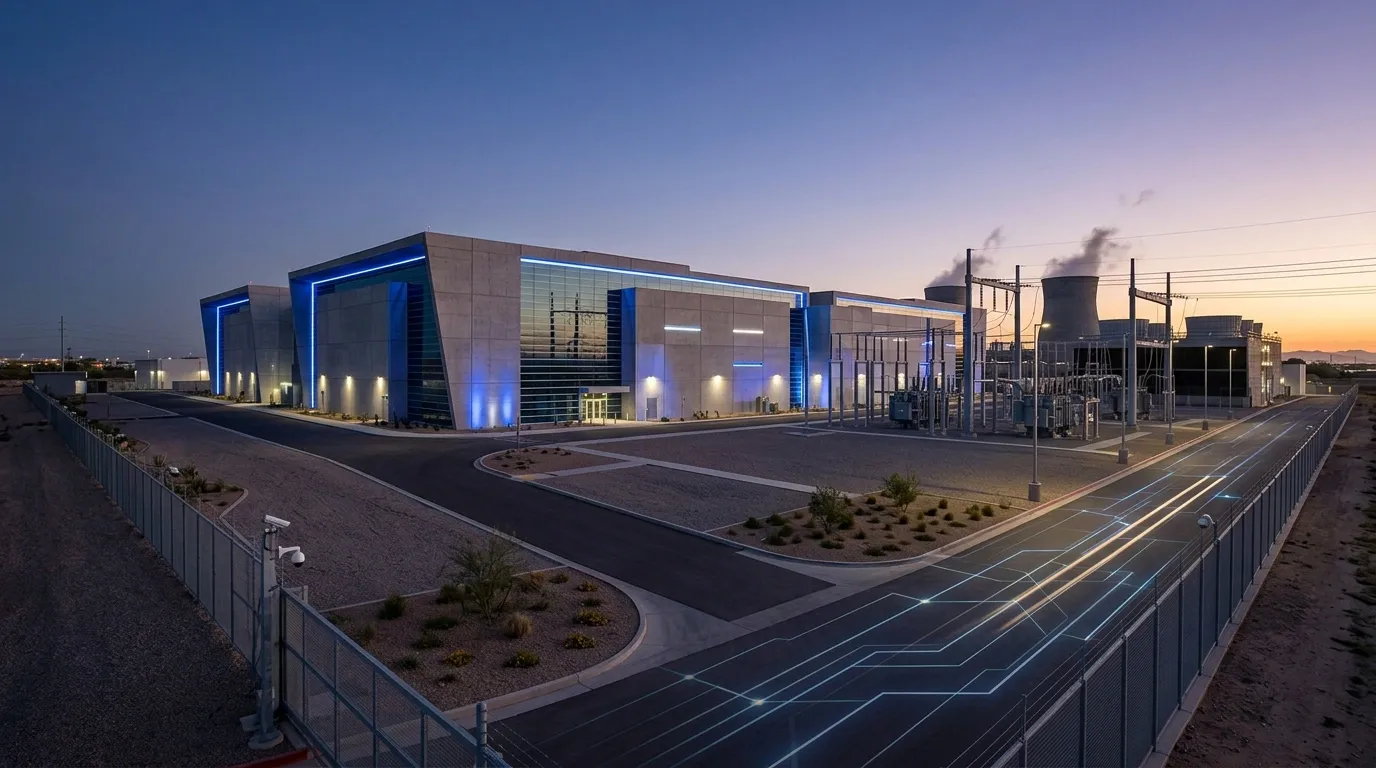
Critical facilities represent the fundamental framework of modern society, ensuring safety and continuous function. These assets are essential for protecting human life and maintaining the stability of our daily operations.
Understanding this infrastructure is vital for building resilient cities. Without these pillars, communities face severe risks during natural disasters or unexpected crises.
What are Critical Facilities?
Critical facilities comprise the infrastructure assets essential for societal continuity and public safety. Their failure would result in immediate, life-threatening impacts or catastrophic economic disruption.
These structures provide the basic services upon which our daily survival depends. Protecting them is a top priority for urban planning and national security experts worldwide.
Read Also: UPS Battery Backup: Types, What It Is & Why You Need It
Categories of Critical Facilities
The classification of these assets spans multiple sectors, each serving a unique function in maintaining order. Recognizing these distinct categories helps stakeholders prioritize risk management and resource allocation effectively.
1. Emergency Services and Public Safety
These facilities provide immediate, life-saving support during times of crisis. Hospitals, fire stations, and police departments serve as the frontline defense for any community.
Emergency management centers coordinate these responses, ensuring resources reach those in need. Their 24/7 availability remains a non-negotiable requirement for public health and law enforcement.
2. Essential Utilities and Infrastructure
Life-sustaining systems like power grids and water treatment plants form the bedrock of civil life. These utilities ensure that communities have consistent access to energy and clean water.
Sewage systems and telecommunications networks are equally critical for preventing disease and enabling information flow. Their sustained operation is required to prevent widespread public health emergencies.
3. Transportation and Logistics Networks
Transportation hubs facilitate the rapid movement of people, relief supplies, and essential goods. Airports, seaports, and major highways act as vital arteries for recovery efforts.
Bridges and mass transit systems keep cities functional by maintaining connectivity. Without these networks, logistics chains fail, severely hampering emergency response during catastrophic events.
4. Economic and Governmental Operations
Government offices provide the regulatory oversight and administrative services required to manage societal functions. They serve as central command centers for public policy and emergency governance.
Financial clearinghouses and secure data centers protect the economic integrity of a nation. These facilities ensure that banking systems and administrative records remain intact during regional crises.
Protecting Critical Facilities: Strategies for Resilience
Securing these assets requires a proactive approach to mitigate natural disasters and physical threats. Comprehensive resilience strategies are essential to ensure these facilities survive extreme conditions.
1. Systems Redundancy (Back-up Planning)
True resilience requires systems redundancy to ensure continuous operation during component failures. Backup generators and secondary power supplies are mandatory for maintaining uptime.
Engineers must also implement alternative water sources and secondary communication links. These layers of protection ensure that services persist even if the primary utility systems are compromised.
2. Disaster-Resilient Building Standards
Adhering to disaster-resilient construction standards is critical for long-term structural integrity. This includes building with seismic resistance to minimize damage during high-intensity earthquakes.
Designs must also incorporate flood protection and hurricane-proof materials to withstand extreme weather. These engineering choices are the first line of defense against environmental hazards.
3. Comprehensive Contingency Planning
Every facility needs rigorous contingency planning to navigate extreme emergencies successfully. This includes clear evacuation protocols to protect personnel and patients in high-risk zones.
Secure data migration and cloud backups are equally important for protecting vital information. Strict operational procedures ensure that recovery begins immediately after a disruption occurs.