
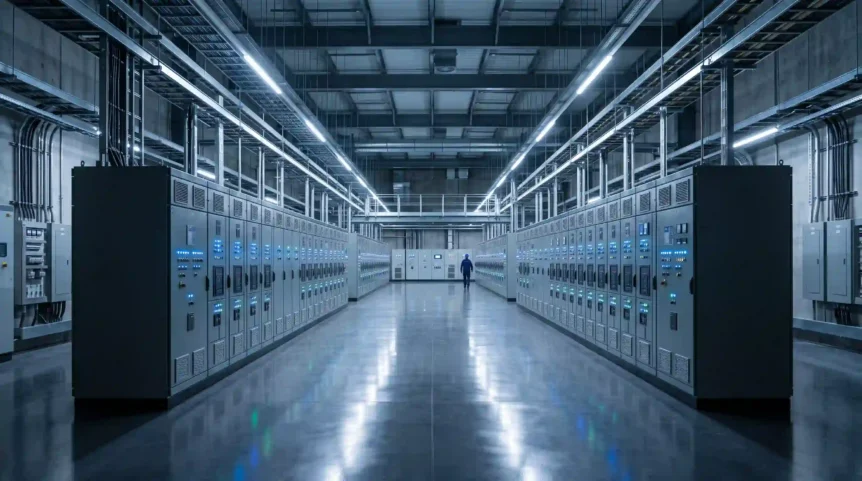
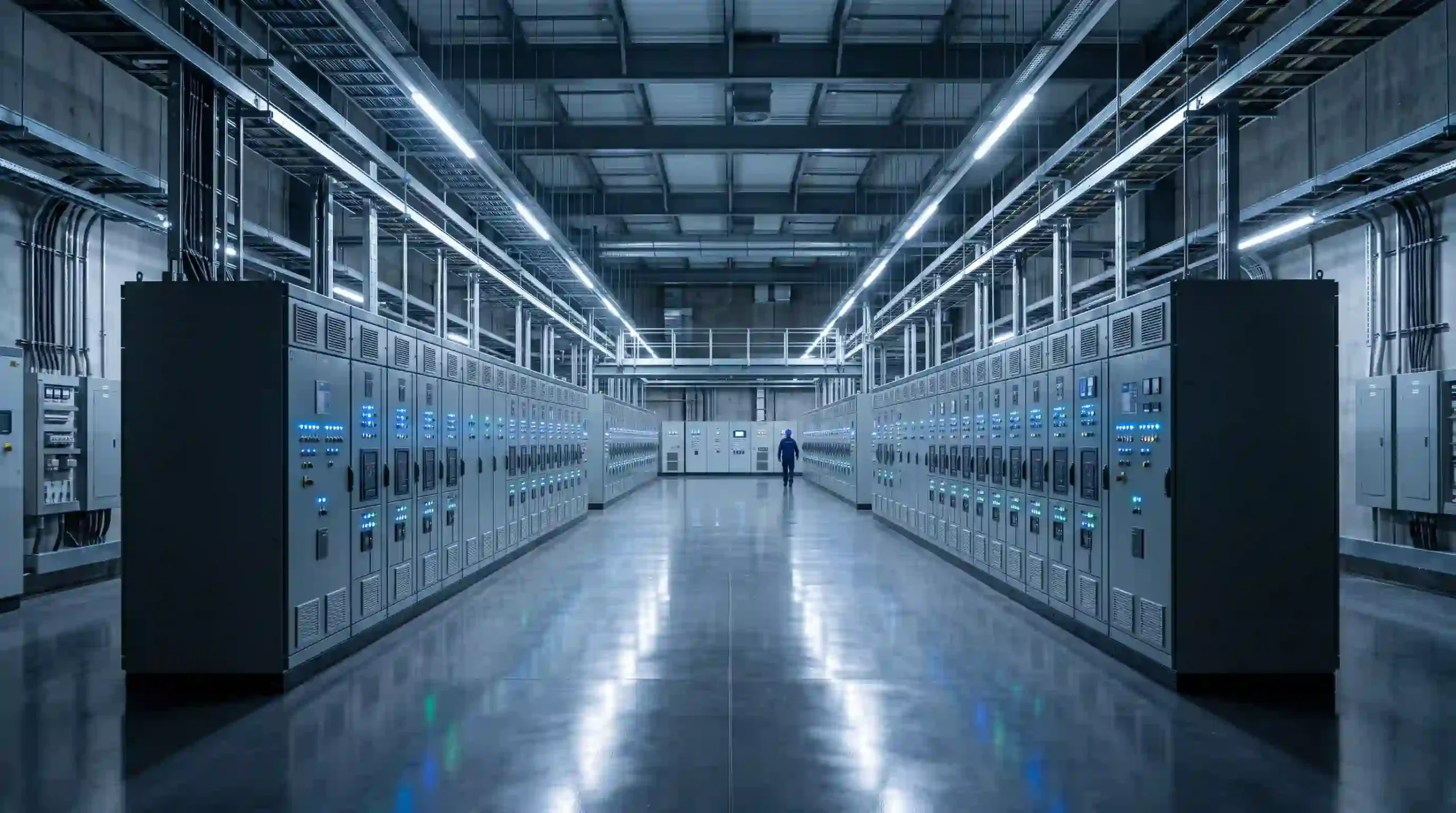
Industrial facilities rely on stable electrical management to ensure uninterrupted operations across all machinery. A power distribution center serves as the core infrastructure that manages electrical loads efficiently.
Implementing a modern power distribution center minimizes operational risks, prevents power spikes, and improves facility safety. This comprehensive guide explores its essential functions, components, and practical industrial applications.
Key Takeaways:
- A Power Distribution Center (PDC) centralizes power management, circuit protection, and monitoring into one secure enclosure.
- Built-in circuit breakers and surge protection prevent equipment damage, electrical fires, and unexpected plant downtime.
- Selective system isolation allows safe maintenance on sub-circuits without interrupting overall facility production line operations.
- PDCs are classified by voltage levels, installation environments, and mechanical breaker configurations to fit specific industrial needs.
- Modular E-Houses accelerate project timelines, lower civil construction costs, and provide flexible mobility for industrial expansion.
What Is a Power Distribution Center? Complete Guide to PDC Systems
A power distribution center (PDC) is a centralized assembly designed to receive incoming electricity and safely direct it across multiple equipment circuits. It combines critical control systems, circuit breakers, and safety units within a single secure enclosure.
By consolidating these complex devices into one structure, a power distribution center protects sensitive machinery against dangerous electrical faults. Industrial operators use PDCs to simplify grid management and streamline regular system maintenance.
Primary Functions of a Power Distribution Center
Understanding the core functions of a power distribution center helps engineers design safer and more efficient industrial electrical layouts. These centralized units perform several critical roles simultaneously to keep equipment running smoothly.
1. Power Distribution
A power distribution center receives high-capacity electrical feeds directly from the main utility source or substation transformer. It then steps down or routes this energy across specialized branch circuits to power targeted machinery.
This targeted allocation prevents load imbalances and stops high-demand equipment from overloading localized electrical lines. Modern facilities rely on this balanced flow to maintain continuous plant operation without voltage drops.
Read Also: Commercial UPS Systems: Reliable Power Protection
2. Circuit Protection
Safeguarding heavy industrial machinery against electrical anomalies is a primary operational objective of any power distribution center. Built-in protective relays continuously track current flow to identify sudden electrical spikes instantly.
When severe overload currents or dangerous short circuits occur, the PDC automatically trips defensive breakers. This immediate interruption prevents catastrophic equipment destruction, severe electrical fires, and costly operational shutdowns.
3. System Isolation
Routine maintenance and emergency repairs require technician safety above all else during daily industrial plant management. A power distribution center allows operators to isolate specific sub-circuits without disrupting power to the rest of the facility.
Using localized isolation switches, service teams can de-energize individual sections safely while surrounding production lines remain operational. This selective shutdown capability protects maintenance workers and dramatically cuts facility-wide downtime.
4. Monitoring and Control
Modern industrial operations demand real-time visibility into overall electrical health and daily energy consumption patterns. A power distribution center incorporates smart meters that track vital metrics like voltage stability, amperage, and power factor.
Operators analyze this steady stream of real-time operational data to detect utility inefficiencies before system failures happen. Proactive monitoring optimizes overall performance and reduces long-term operational expenses across the entire grid.
Key Components Inside a Power Distribution Center
The internal architecture of a power distribution center consists of heavy-duty electrical hardware engineered for maximum safety and control. Each component plays a vital role in maintaining structural integrity and operational safety.
1. Main Circuit Breaker
The main circuit breaker acts as the primary defense valve for the entire power distribution center. Positioned at the main incomer line, it can shut down all incoming power during catastrophic system events.
Engineers utilize this master switch to perform complete plant de-energizations during major facility overhauls or critical emergencies. Its high interrupting capacity ensures that massive utility surges are safely contained before entering internal networks.
2. Branch Circuit Breakers
Positioned downstream from the main incoming supply, branch circuit breakers protect individual equipment lines and localized sub-panels. These smaller units are calibrated to match the specific electrical tolerances of connected devices.
If a specific machine experiences a mechanical jam or electrical failure, its dedicated branch breaker trips independently. This localized trip isolates the problem immediately while keeping every other branch operational across the plant.
3. Busbars
High-amperage current transmission within a power distribution center relies heavily on solid conductive metal bars known as busbars. Typically manufactured from high-grade copper busbars or specialized aluminum alloys, they distribute massive electrical loads efficiently.
These heavy conductors replace dense wire bundles, offering superior mechanical strength and improved heat dissipation under load. Their robust design minimizes resistance losses and maintains steady voltage delivery across all internal breakers.
4. Metering Devices
Accurate tracking of electrical metrics relies on digital panel meters integrated directly into the power distribution center interface. Instruments such as digital ammeters, voltmeters, and multi-function kWh meters capture live operational metrics constantly.
These devices send performance insights directly to central supervisory control systems for advanced load analysis. Monitoring energy trends helps plant managers eliminate power waste and balance electrical demand across peak operating hours.
5. Surge Protective Devices (SPD)
External lightning strikes and internal high-voltage switching operations can trigger destructive transient voltage spikes. Integrated surge protective devices (SPDs) shield sensitive PDC components by diverting excessive voltage safely into the grounding system.
Without proper surge suppression, delicate digital controls and internal relays can suffer permanent dielectric breakdown. Installing heavy-duty SPDs guarantees long-term equipment reliability against unexpected atmospheric and operational voltage surges.
6. Protective Enclosure
The outer housing of a power distribution center consists of heavy-gauge sheet steel designed for harsh physical environments. These rugged cabinets are engineered with specific Ingress Protection (IP) ratings to block dust, moisture, and debris.
Beyond environmental protection, sturdy enclosures shield human operators from hazardous live conductors and dangerous arc flash events. Proper ventilation channels and internal barriers ensure safe thermal management during peak operating conditions.
Classification and Types of Power Distribution Centers
Power distribution centers are engineered in diverse configurations to meet distinct voltage demands, environmental conditions, and maintenance requirements. Selecting the right classification ensures optimal safety and operational efficiency.
1. Low Voltage vs. Medium Voltage PDCs
Low-voltage (LV) power distribution centers operate below 1,000 Volts and typically serve commercial buildings, manufacturing plants, and light industrial facilities. They manage everyday operational loads like commercial lighting, HVAC units, and small motor drives.
Conversely, medium-voltage (MV) units handle heavy industrial applications operating between 1 kV and 35 kV. These high-capacity systems feed large utility transformers, heavy mining equipment, and municipal infrastructure networks safely.
2. Indoor vs. Outdoor Walk-In PDCs
Indoor power distribution centers reside within dedicated, climate-controlled electrical rooms to protect sensitive equipment from weather extremes. They offer easy access for technicians while relying on building HVAC systems for ambient temperature regulation.
Outdoor walk-in PDCs are custom, weather-proof enclosures constructed to withstand extreme rain, wind, and heat. These self-contained modular shelters feature integrated air conditioning, fire suppression, and lighting for outdoor industrial sites.
3. Fixed Type vs. Draw-Out Type PDCs
Fixed-type PDCs feature permanently bolted circuit breakers directly attached to the main frame and internal busbar structures. While cost-effective, replacing or servicing a fixed breaker requires complete de-energization of the main power system.
Draw-out PDCs utilize rackable breaker frames mounted on heavy-duty guide rails for rapid mechanical isolation. Technicians can rack out and service individual breakers safely without shutting down the main energization busbar.
Key Benefits of Modular Power Distribution Centers (E-Houses)
Modern industrial facilities increasingly adopt modular, containerized power distribution centers known as electrical houses (E-Houses). These prefabricated solutions deliver significant operational advantages over traditional brick-and-mortar electrical rooms.
1. Time and Factory Testing Efficiency
Prefabricated E-Houses are constructed, wired, and thoroughly tested within a controlled factory environment prior to job site delivery. Factory acceptance testing eliminates weather delays and minimizes unpredictable on-site labor challenges during installation.
Because structural fabrication occurs parallel to civil site preparation, overall project commissioning timelines are reduced by several months. Facility managers receive a fully certified power distribution center ready for immediate plug-and-play hookup.
2. Mobility and Scalability
Modular containerized PDCs offer exceptional physical flexibility for evolving industrial operations like mining, oil drilling, and temporary construction. The entire self-contained unit can be disconnected, loaded onto transport trucks, and relocated to new operating sites.
Furthermore, modular designs allow simple expansion as facility energy requirements grow over time. Operators can add standardized E-House modules seamlessly without redesigning the entire central electrical infrastructure.
3. Footprint and Cost Savings
Constructing traditional concrete electrical buildings requires substantial civil engineering investments, lengthy permits, and extensive field labor costs. Modular E-Houses eliminate these heavy capital expenditures through streamlined industrial manufacturing processes.
Their compact engineering maximizes internal space utilization, delivering a drastically reduced physical footprint on crowded job sites. Lower site preparation costs and reduced installation labor yield substantial long-term financial savings for developers.
Reference
- Ahmed, O. A., Chong, K. H., Koh, S. P., Yaw, C. T., & Pasupuleti, J. (2024). Artificial immune systems (GA-AIS) enabled power loss mitigation in distributed generation: X3PAIS optimization approaches. Heliyon, 10(17), e37332. https://doi.org/10.1016/j.heliyon.2024.e37332
- Bouchikhi, N., Al-Garni, A., & Al-Ammar, E. A. (2025). Optimal distributed generation placement and sizing using modified optimization techniques in electricity distribution networks. Scientific Reports, 15(1), 12015. https://doi.org/10.1038/s41598-025-12015-3
- García, J., & Inga, E. (2023). Georeferenced rural distribution network model considering scalable growth of users in rural areas. Heliyon, 9(1), e12724. https://doi.org/10.1016/j.heliyon.2022.e12724
- Hany, R. M., Mahmoud, T., Osman, E. S. A. E. A., El Rehim, A. E. F. A., & Seoudy, H. M. (2024). Optimal allocation of distributed energy storage systems to enhance voltage stability and minimize total cost. PLOS ONE, 19(1), e0296988. https://doi.org/10.1371/journal.pone.0296988