
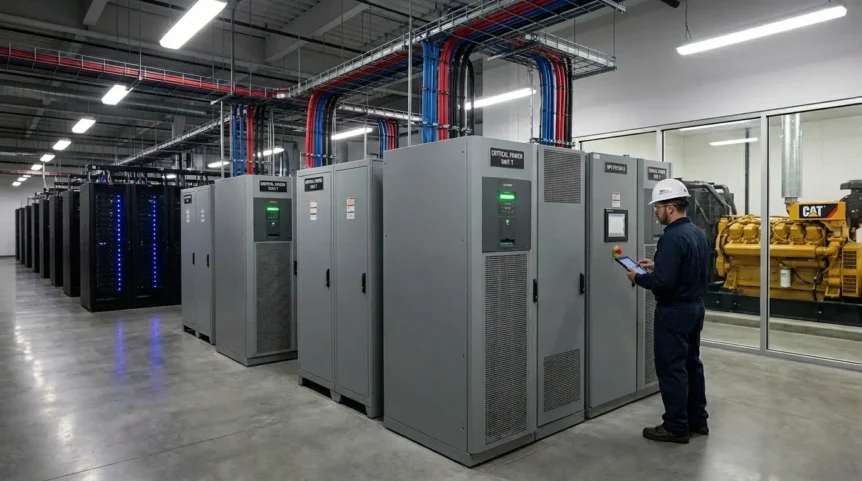
Critical power solutions represent a specialized ecosystem of electrical technologies engineered to safeguard vital infrastructure from costly disruptions. These integrated systems prevent blackouts, brownouts, and voltage fluctuations from halting operations.
By combining advanced hardware, they ensure a seamless transition during main grid failures. The synergy between an uninterruptible power supply, backup generators, and precision cooling guarantees absolute operational continuity.
Core Components of a Critical Power System
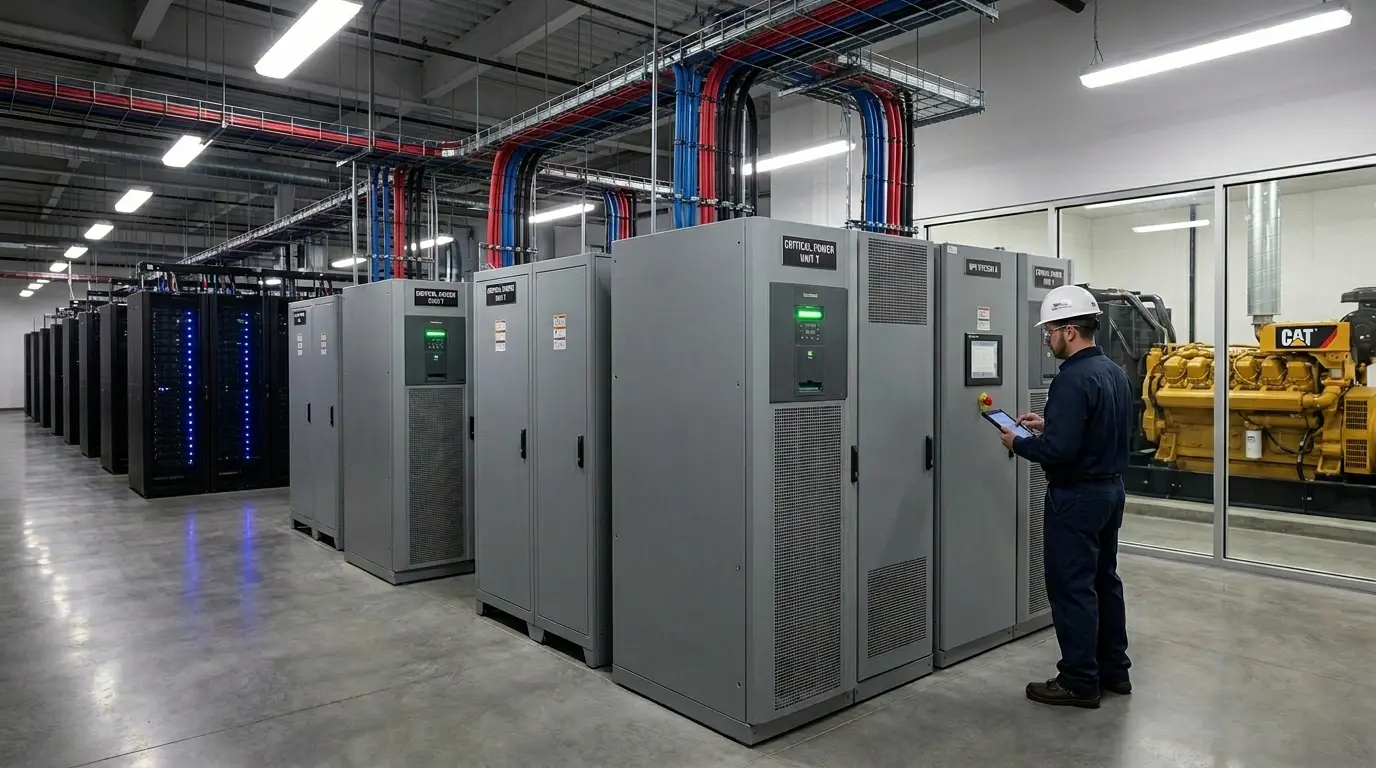
Best Critical Power Solutions – SPS Sales
Deploying a resilient infrastructure requires a deep understanding of its foundational hardware elements. These interconnected devices form a robust defense system against unpredictable utility grid failures.
1. Uninterruptible Power Supply (UPS): The First Line of Defense
A UPS system acts as an immediate shield, bridging the dangerous gap between utility power loss and generator ignition. It delivers continuous electricity within milliseconds, preventing hardware damage and data corruption.
This fast response relies on stored energy to maintain steady voltage regulation. By absorbing initial power sags, the system keeps sensitive electronics operational until long-term backup sources stabilize.
UPS Topologies: Offline, Line-Interactive, and Online Double-Conversion
Choosing the right architecture determines the level of protection your equipment receives. While offline and line-interactive models offer basic defense, online double-conversion provides total isolation from raw utility power anomalies. This topology continuously converts AC to DC and back to AC, ensuring a clean pure sine wave output.
Battery Energy Storage Systems: VRLA vs. Lithium-ion
The choice of DC energy storage directly impacts long-term operational costs and space requirements. Traditional VRLA batteries remain highly economical but require strict climate control and replacement every 3 to 5 years. In contrast, modern lithium-ion batteries offer superior thermal stability, a smaller footprint, and twice the operational lifespan.
Read Also: Static Transfer Switch: Components, How It Works & Benefits
2. Emergency Backup Generators
When a primary power outage extends past a few minutes, industrial generators become the primary source of continuous electricity. These heavy-duty machines are engineered to start automatically and reach full operational capacity within seconds.
Fueled by diesel or natural gas, they can sustain entire facilities for consecutive days. Regular testing ensures their internal combustion engines run reliably during unexpected, extended blackouts.
3. Automatic Transfer Switches (ATS) & Switchgear
An automatic transfer switch serves as the intelligent brain of an emergency electrical distribution network. It constantly monitors grid voltage and instantly commands the backup generator to start when a failure is detected.
Once the generator achieves stable frequency, the ATS safely shifts the electrical load to the backup supply. This seamless transition happens without human intervention, eliminating sluggish manual operations.
4. Power Distribution Units (PDU)
A power distribution unit is essential for safely channeling bulk electricity from central systems to localized equipment. It breaks down high-voltage feeds into multiple low-voltage circuits tailored for specific devices.
Modern units include integrated power monitoring capabilities to track consumption at the individual outlet level. This precision prevents circuit overloads in crowded server racks and medical environments.
Modern Infrastructure Challenges and Smart Solutions
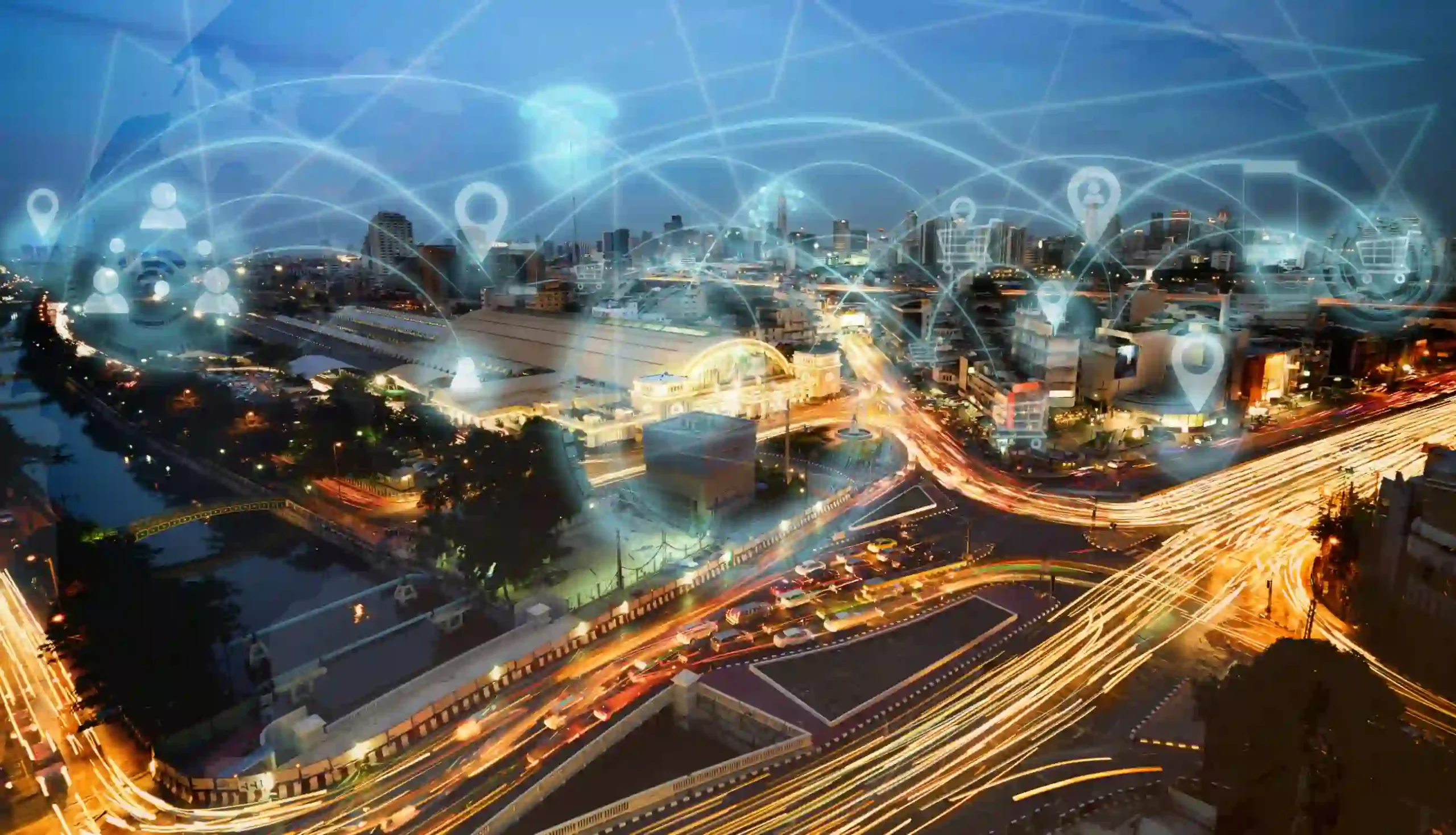
Critical Power Solutions
Rapid technological advancement is forcing a massive shift in how facilities manage electrical distribution. Legacy configurations are no longer sufficient to support today’s demanding digital workloads.
1. The Surge in Power Density (AI-Driven Demands)
The rapid rise of artificial intelligence applications has dramatically increased traditional power density demands. Standard data equipment historically required 5 to 10 kW per rack, but modern AI hardware demands 50 to 100 kW.
This massive surge forces facilities to scale their infrastructure up toward 1 MW per cluster. Handling this concentrated heat and demand requires highly specialized electrical and cooling frameworks.
2. Scalable Modular UPS and Smart PDUs
Overcoming high-density challenges requires deploying a modular UPS architecture that scales alongside actual business growth. This flexible design allows companies to add hot-swappable power modules without interrupting live operations.
Pairing these systems with intelligent smart PDUs enables real-time monitoring and dynamic load balancing. This combination optimizes overall energy efficiency and prevents localized circuit overloads.
Critical Industries Dependent on Uninterrupted Power
Certain business sectors cannot tolerate even a millisecond of electrical disruption without facing catastrophic results. For these industries, continuous electricity is a baseline requirement for survival.
1. Data Centers and Cloud Infrastructure
Modern data facilities require absolute high availability to prevent catastrophic service interruptions for millions of global users. Industry data reveals that sudden data center downtime can cost businesses up to $9,000 per minute.
Beyond immediate financial hits, prolonged outages damage corporate reputations and violate strict service level agreements. Implementing comprehensive backup power architecture is the only way to avoid these severe penalties.
Read Also: Static Transfer Switch: Components, How It Works & Benefits
2. Healthcare Facilities and Hospitals
Hospitals require absolute 100% power reliability to ensure patient safety across all clinical departments. Life-support apparatus, complex operating rooms, and ICU ventilators cannot suffer even brief electrical interruptions.
Furthermore, digital healthcare infrastructure relies on continuous electricity to maintain access to real-time electronic health records. A failure here directly compromises patient outcomes and diagnostic accuracy.
3. Industrial Manufacturing and Automation
Automated assembly lines rely heavily on highly sensitive electronic components like programmable logic controllers. A sudden micro-disruption in power can corrupt automation software and instantly halt mass production.
These unexpected stoppages frequently ruin expensive raw materials and cause severe mechanical stress to machinery. Restarting an interrupted factory line can take hours, resulting in millions of dollars in lost throughput.
4. Oil, Gas, and Marine Operations
Offshore drilling platforms and refineries operate in harsh environments where a loss of control poses severe hazards. Continuous electricity is required to run critical safety instrumented systems that prevent catastrophic pressure spikes.
A sudden blackout can disable emergency cooling valves, risking major explosions or hazardous chemical spills. Maintaining power continuity protects human lives and guards against severe environmental disasters.
Emerging Technology Trends in Critical Power

Emerging Technology Trends in Critical Power
Innovation is reshaping the electrical infrastructure landscape, focusing heavily on sustainability and intelligent automation. New technologies allow facilities to optimize energy usage while increasing system resilience.
1. AI-Driven Data Center Infrastructure Management (DCIM)
Modern facilities utilize advanced DCIM software to automate complex power distribution and environmental cooling systems. Platforms like Schneider Electric’s EcoStruxure use machine learning to predict potential component failures before they occur.
This proactive software constantly adjusts cooling output based on real-time server computing loads. The resulting automation maximizes energy efficiency and lowers total operational costs.
Read Also: What Is a Modular UPS? Its Benefits and How It Works
2. Grid Support and Grid Stabilization Technologies
Advanced power architectures now allow large facilities to actively support the local utility grid. Utilizing advanced control systems like DEIF, data facilities can temporarily transition onto internal battery power during peak public demand.
This dynamic response reduces strain on public infrastructure and helps prevent widespread regional blackouts. It transforms passive energy consumers into active partners in municipal power stabilization.
3. High-Efficiency eConversion Technology
The latest generation of large-scale systems features revolutionary eConversion modes to minimize energy waste. Developed by industry leaders like Eaton for their 9395XC line, this technology yields up to 99% efficiency.
It accomplishes this remarkable economy without sacrificing the vital safety benefits of double-conversion protection. This breakthrough helps corporations meet strict environmental sustainability targets.
Best Practices for Critical Power Management
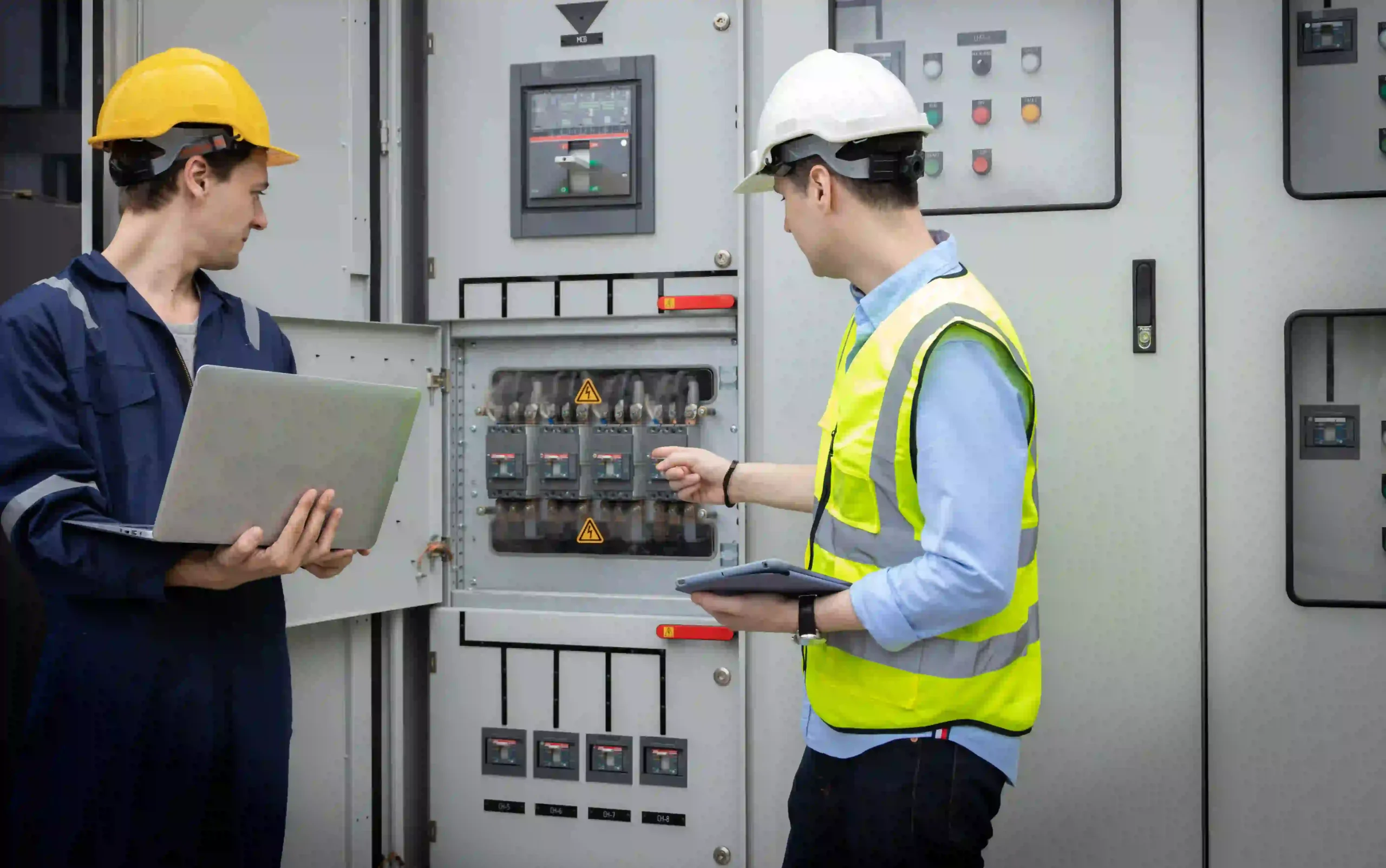
Best Practices for Critical Power Management
Owning top-tier hardware is only half the battle; maintaining operational readiness requires strict operational discipline. Implementing standardized management practices ensures your systems perform flawlessly during real emergencies.
1. Robust Preventive Maintenance Protocols
A comprehensive preventive maintenance program is crucial for identifying hidden vulnerabilities before they cause system failures. Technicians must conduct scheduled thermal imaging scans to locate loose electrical connections and overheating components.
Regular fluid analysis and load-bank testing are required to verify emergency generator readiness. Replacing aging capacitors and batteries on time prevents catastrophic failures during actual utility blackouts.
2. Redundancy Architectures (N+1 and 2N Designs)
Building a highly reliable infrastructure requires integrating intentional redundancy configurations into the system design. An N+1 strategy provides a single backup module to cover any single component failure within the network.
For high-stakes environments, a comprehensive 2N architecture establishes two entirely independent, parallel power distribution pathways. This complete duplication ensures continuous operation even if an entire power stream goes offline.
3. 24/7 Real-Time Monitoring and Analytics
Deploying continuous remote monitoring software allows operations teams to supervise their entire power infrastructure from anywhere. This software tracks critical metrics including battery cell impedance, voltage trends, and ambient temperatures.
Instant automated alerts notify facility engineers the moment a variable moves outside safe operational limits. This rapid notification allows teams to fix issues before they escalate into full-scale outages.