
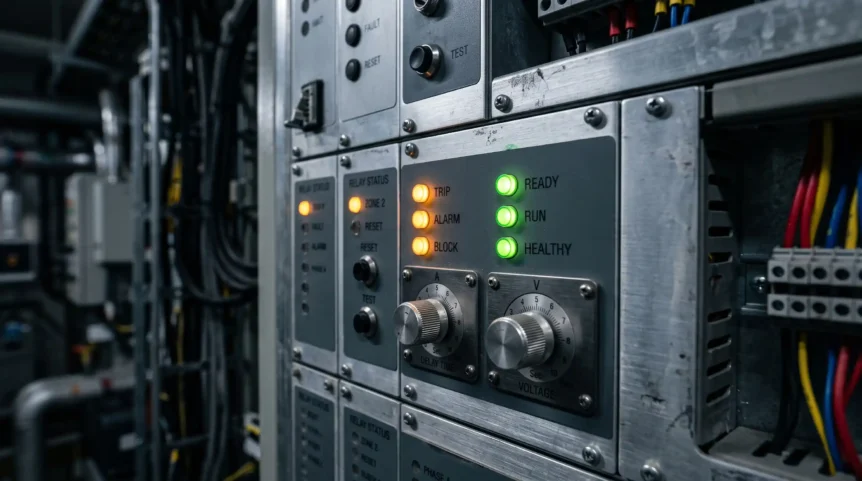
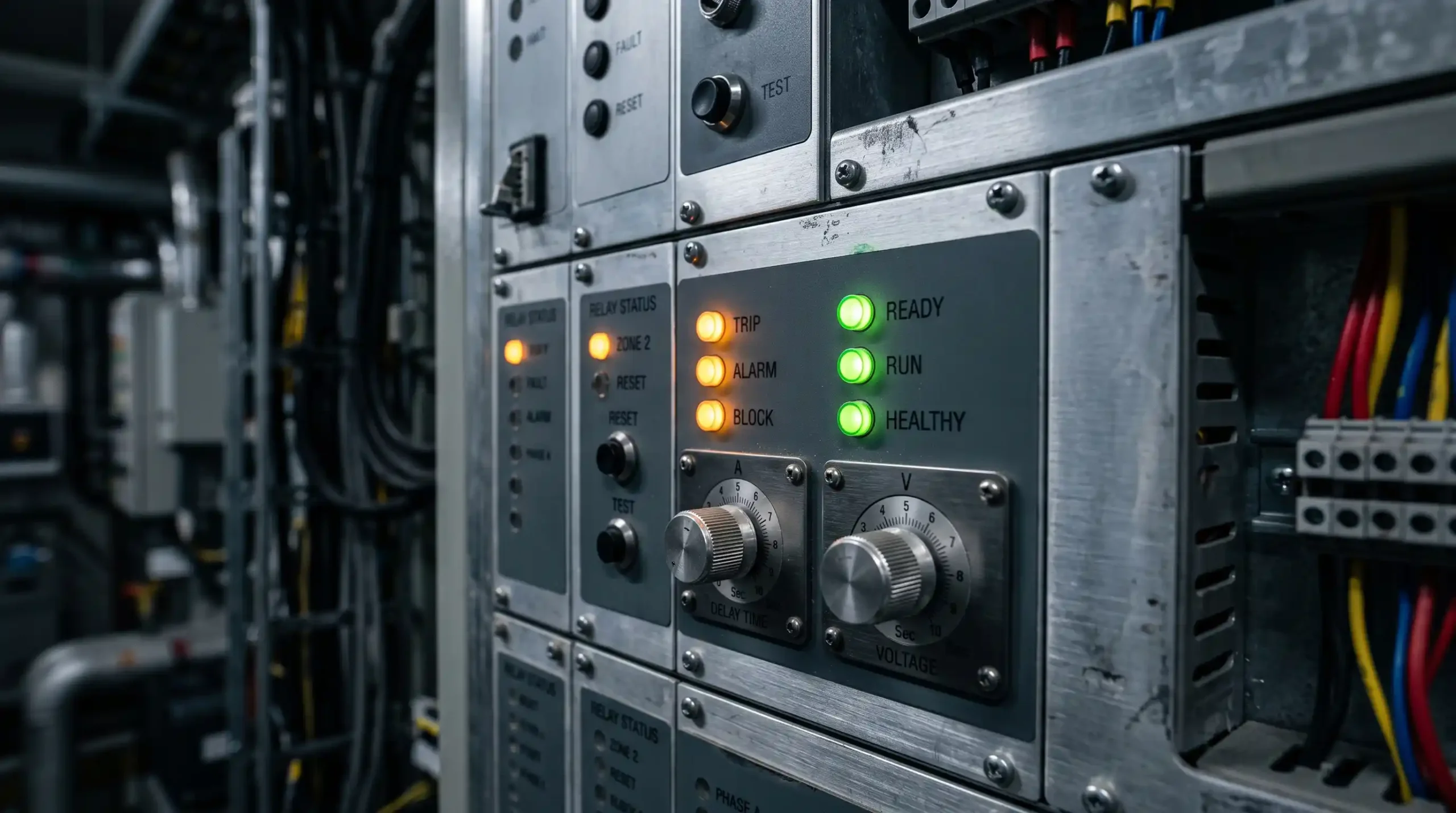
Modern electrical grids demand robust engineering to prevent catastrophic failures during unexpected faults. Maintaining a steady flow of electricity requires highly sophisticated monitoring frameworks.
Implementing advanced power system protection strategies guarantees that critical infrastructure remains safe from severe electrical anomalies. This guide explores the vital mechanisms keeping our grids functional.
What Is Power System Protection?
What Is Power System Protection
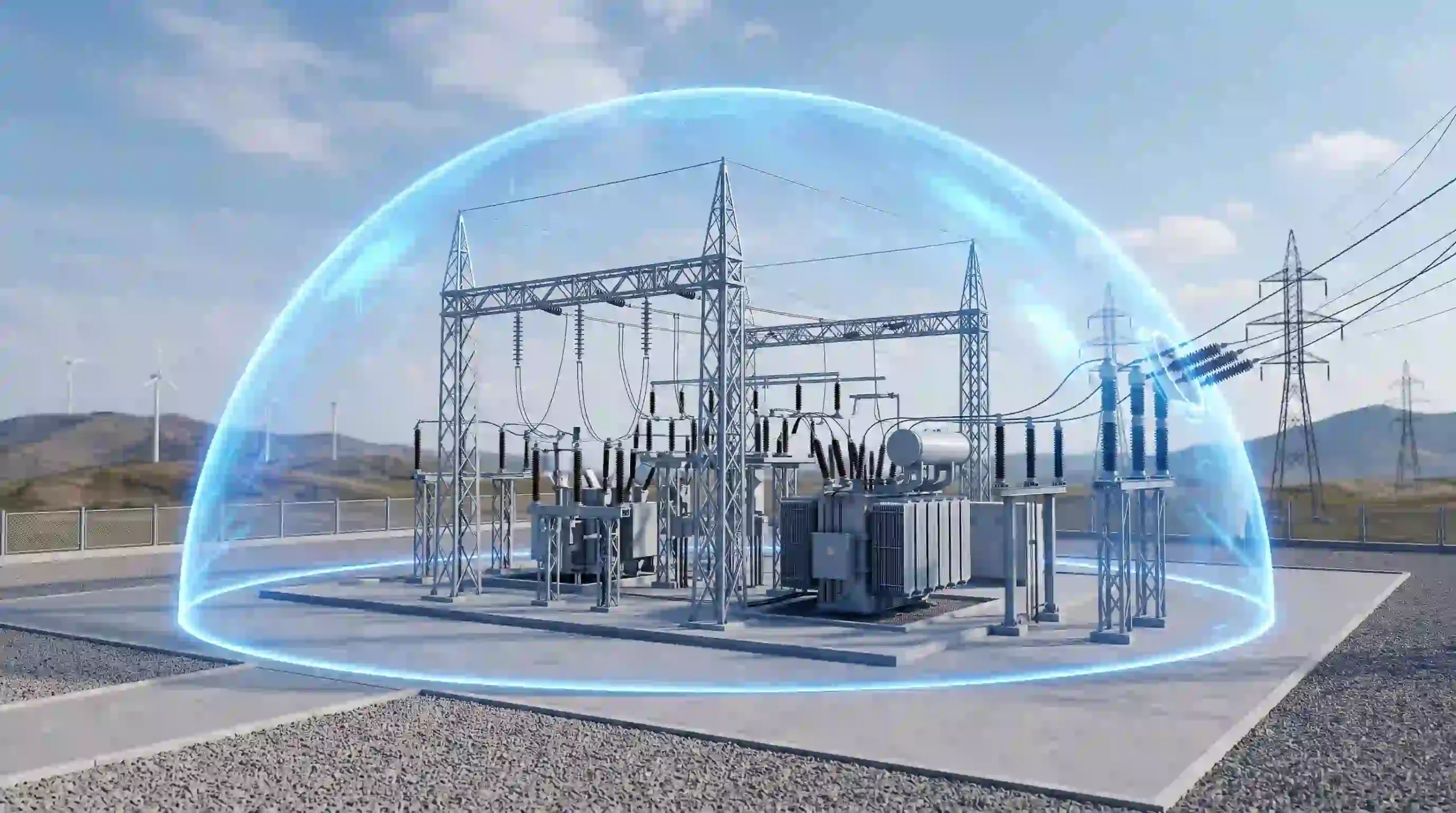
Power system protection is a specialized framework of localized monitoring hardware and automated isolation devices. It continuously scans electrical networks to identify operational malfunctions before they spread.
The primary urgency lies in minimizing hazardous asset damage and preserving public safety. By rapidly isolating faulted zones, it ensures continuous power delivery to the wider power grid.
Read Also: Automatic Transfer Switch (ATS): Reliable Power Solutions
4 Core Principles of Electrical Protection Systems
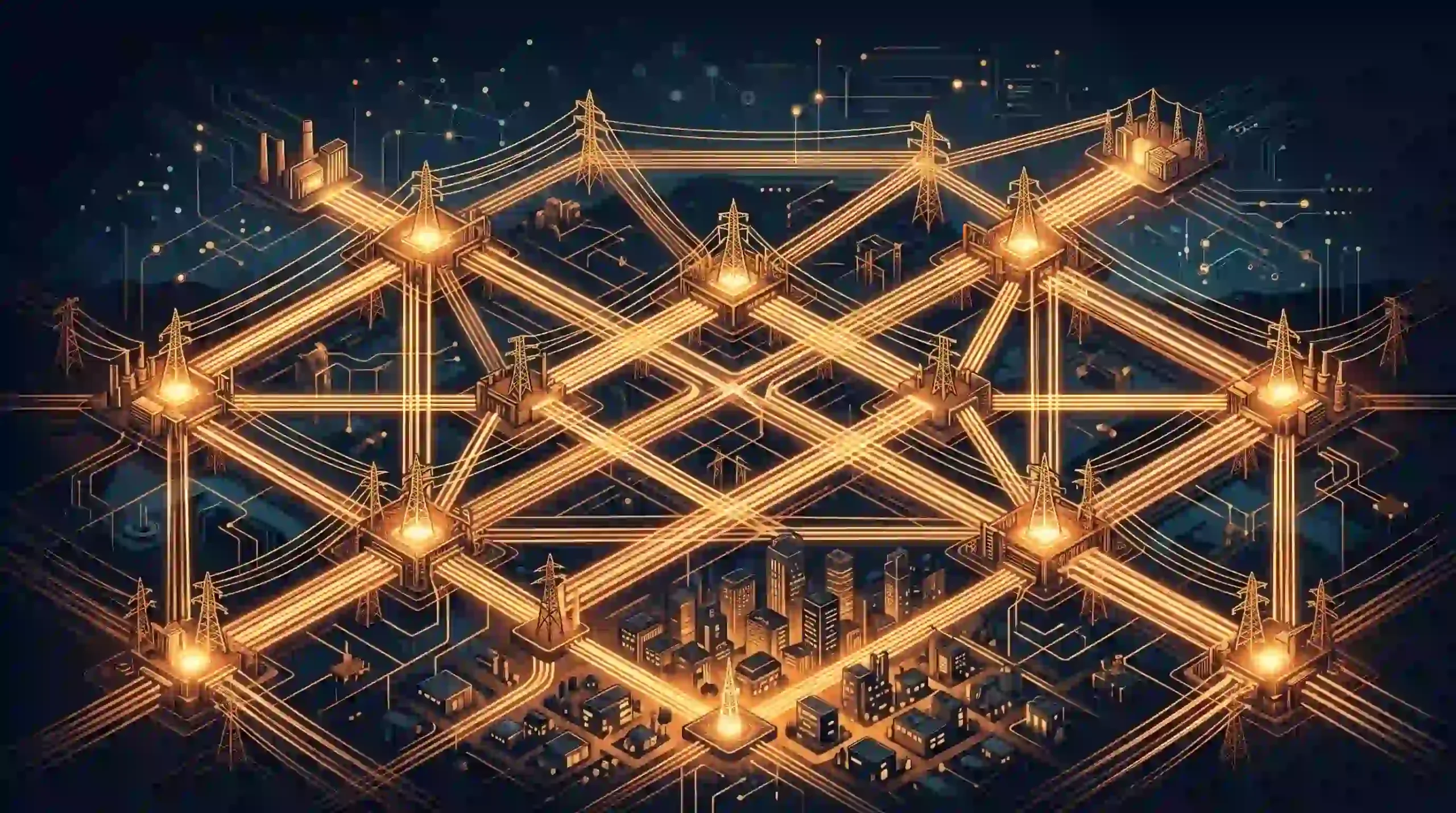
An effective power system protection architecture relies on strict performance parameters to execute safety commands properly. These criteria prevent unnecessary system wide blackouts during minor failures.
1. Reliability
4 Core Principles of Electrical Protection Systems Reliability
Reliability mandates that defensive networks must execute a trip command instantly when a genuine electrical fault surfaces. It ensures absolute certainty in asset containment.
Conversely, the system must remain completely idle during ordinary, healthy operating conditions. This prevents costly false alarms and unnecessary service disconnections.
Read Also: Data Center Solutions: Guide to Scalable Infrastructure
2. Selectivity
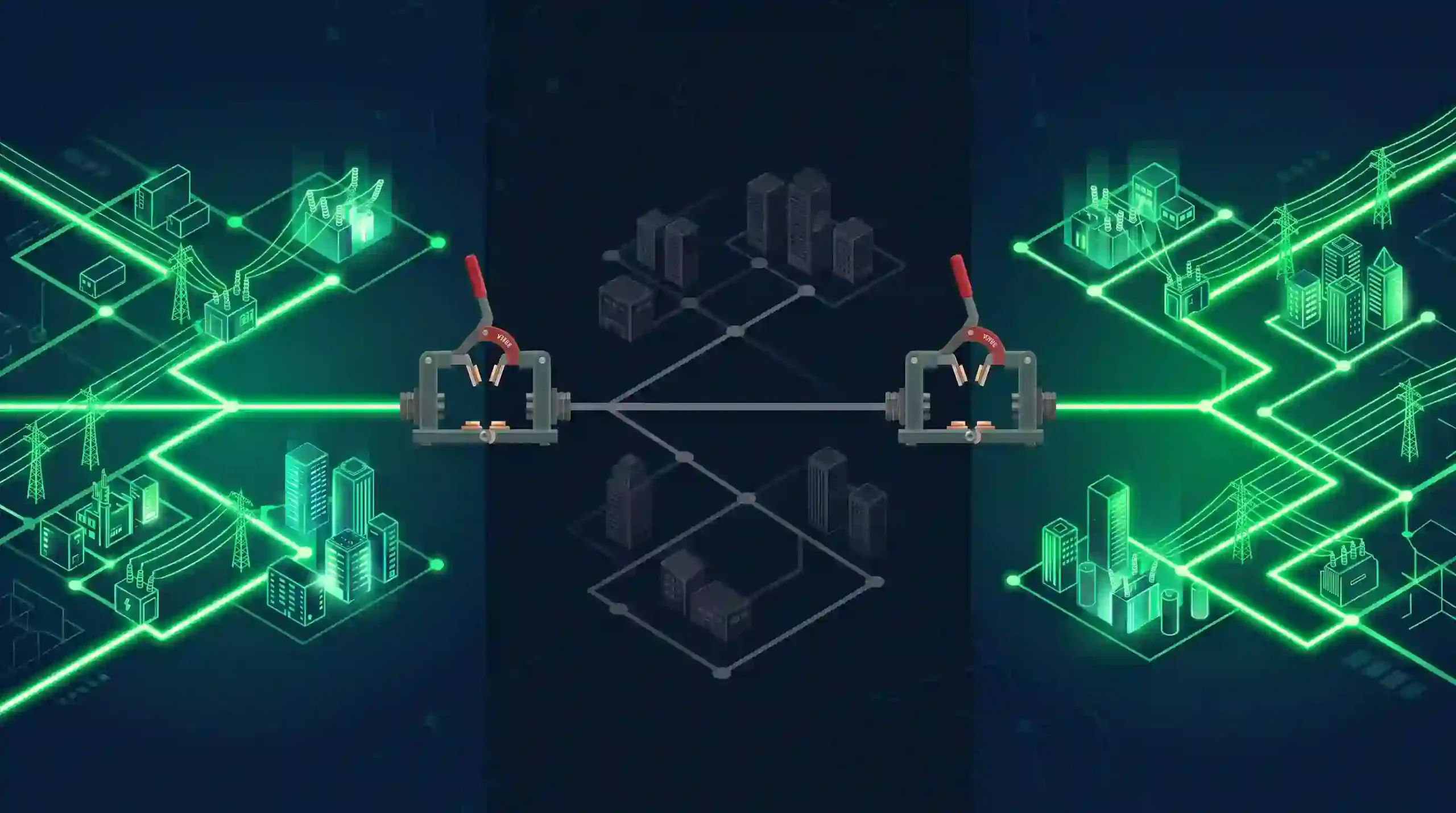
4 Core Principles of Electrical Protection Systems Selectivity
Selectivity allows an automated grid to isolate only the specific faulty section during an emergency. This precise localized targeting protects the remaining healthy network infrastructure.
By restricting power cutoffs to the minimum area possible, wide scale blackouts are averted. Consequently, most consumers notice zero disruptions during isolated grid failures.
Read Also: Double Conversion UPS: Guide to Online Power Backup
3. Speed

4 Core Principles of Electrical Protection Systems Speed
Speed dictates that automated isolation must take place within milliseconds of fault initialization. Rapid clearing times prevent severe, irreversible thermodynamic equipment damage.
Slowing down the response could lead to catastrophic explosions in large scale substation assets. Swift isolation also protects human operators working near live power lines.
Read Also: Power Distribution Networks: Key Components & Architecture
4. Sensitivity

4 Core Principles of Electrical Protection Systems Sensitivity
Sensitivity guarantees that measurement mechanisms can identify even the minor deviations from standard operation. It detects low level anomalies before they escalate.
This high resolution observation protects weak system spots from gradual internal deterioration. Early detection allows for preventive grid maintenance prior to full breakdown.
Key Hardware Components in Power System Protection
Operating a reliable power system protection matrix requires seamless interaction between sensory and physical interrupting equipment. Each physical device plays a distinct role in network defense.
1. Instrument Transformers
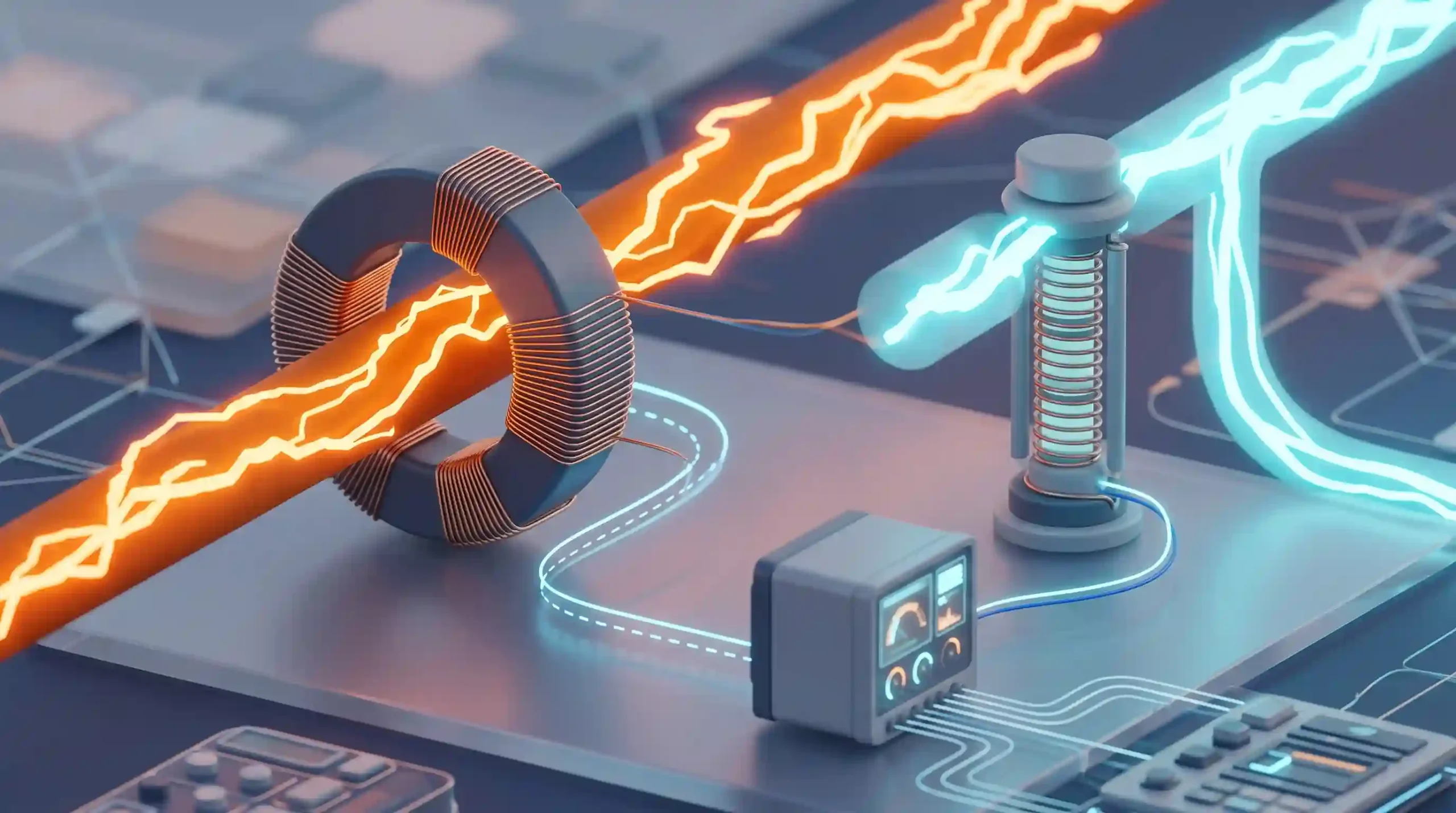
Key Hardware Components in Power System Protection Instrument Transformers
Current Transformers lower massive line currents down to safe, measurable levels for downstream monitoring. They provide a precise scaled replica of live grid metrics.
Simultaneously, Potential Transformers step down extreme high voltages into standardized low voltage signals. This insulation safeguards low power computing equipment from high grid voltage.
Read Also: UPS Generator Systems: Complete Power Protection Guide
2. Protection Relays

Key Hardware Components in Power System Protection Protection Relays
Acting as the central brain, protection relays evaluate incoming sensory data feeds in real time. They utilize programmed logic algorithms to spot operational grid anomalies.
When metrics cross safe boundaries, the relay issues an instantaneous tripping command. This signal initiates physical line isolation via secondary auxiliary control systems.
Read Also: Data Center Infrastructure: Architecture & Key Components
3. Circuit Breakers

Key Hardware Components in Power System Protection Circuit Breakers
A circuit breaker functions as a heavy duty mechanical switch capable of opening under extreme electrical stress. It safely extinguishes dangerous arcs generated during heavy faults.
Upon receiving a relay command, it physically opens its contacts to halt fault propagation. This robust device prevents physical damage to neighboring substation infrastructure.
Read Also: Line-Interactive UPS Guide: Complete Power Protection
4. DC Supply
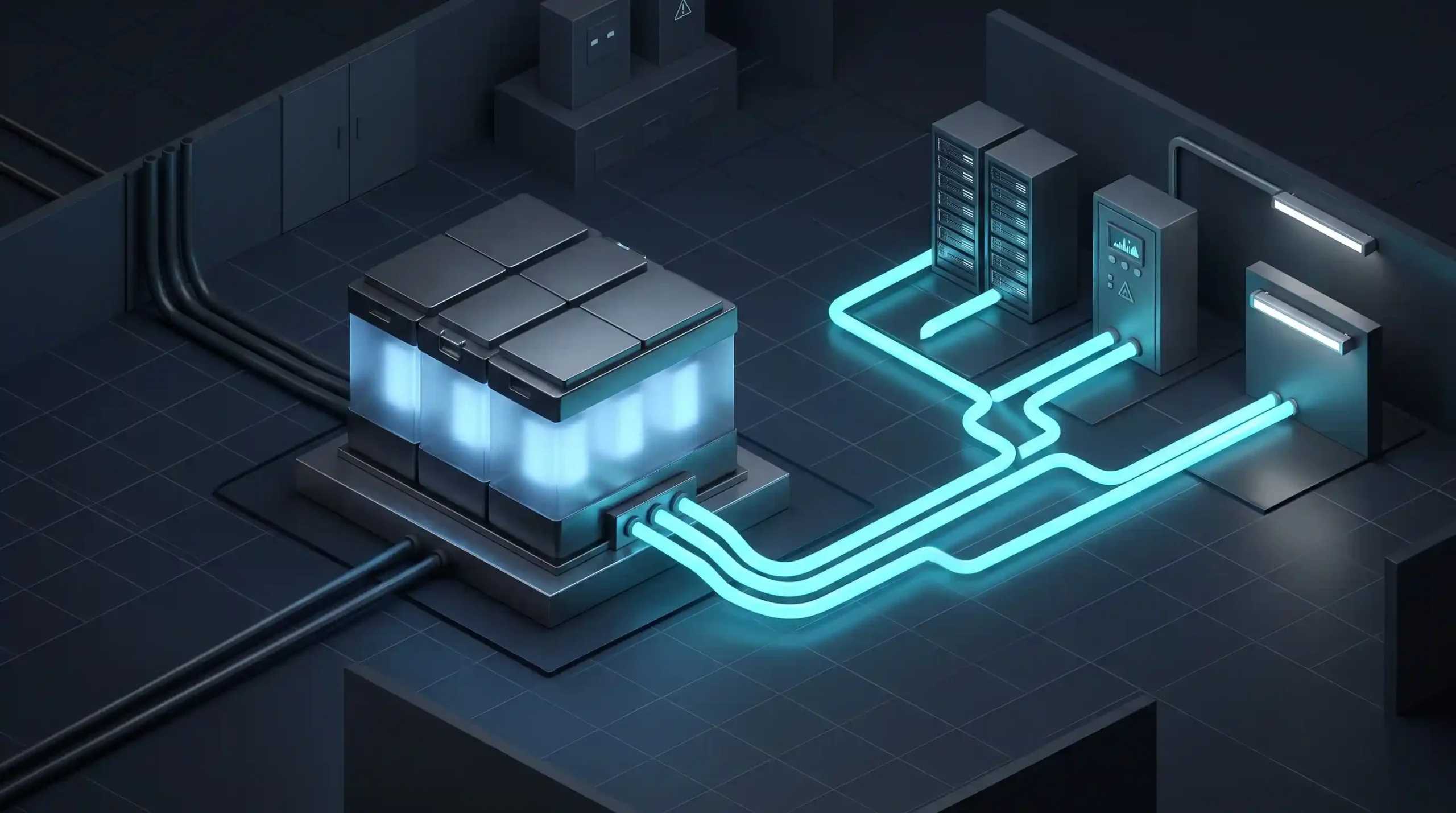
Key Hardware Components in Power System Protection DC Supply
A dedicated DC battery bank serves as the vital independent energy backup for all crucial relay trip circuits. It operates completely separate from main grid power.
This ensures that critical safety hardware can execute isolation commands even during complete AC blackouts. Without reliable DC power, circuit breakers cannot trip automatically.
Common Fault Types Threatening Modern Power Grids
Jrequencies of electrical failures stem from environmental factors, equipment aging, or structural accidents. Managing a power system protection network requires understanding these destructive anomalies.
1. Short Circuit
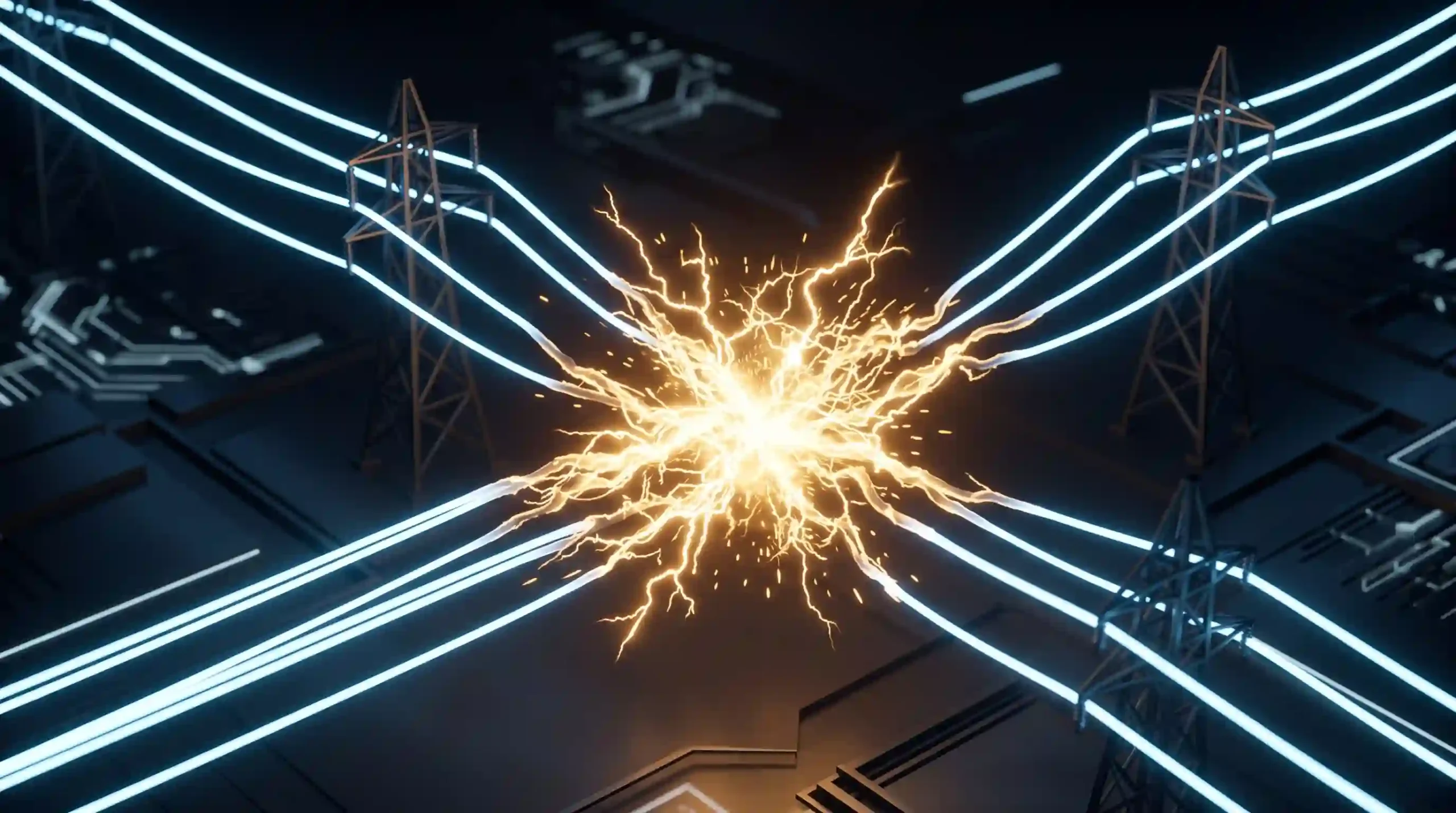
Common Fault Types Threatening Modern Power Grids Short Circuit
A short circuit occurs when insulation fails, causing phases to touch or connect directly to the earth. This triggers an instantaneous, massive spike in electrical current.
These extreme current surges generate intense magnetic forces capable of bending heavy busbars. Immediate isolation is paramount to prevent permanent infrastructure destruction.
Read Also: Understanding Power Conditioners and UPS: Which Do You Need?
2. Overcurrent

Common Fault Types Threatening Modern Power Grids Overcurrent
Overcurrent describes an operational state where current levels surpass the maximum thermal design capacity of a circuit. It often develops from slow commercial overloading.
While less violent than a short circuit, prolonged exposure degrades vital wire insulation. Protective systems must intervene before the heat causes long term damage.
Read Also: Industrial Uninterruptible Power Supply: Reliable Power
3. Over/Undervoltage

Common Fault Types Threatening Modern Power Grids Over or Undervoltage
Overvoltage conditions arise from sudden load drops or lightning strikes, putting insulation at risk of flashover. This threatens to destroy sensitive electronic devices downstream.
Conversely, undervoltage anomalies often stem from grid overload, causing electric motor stalls and system instability. Voltage monitoring keeps grid delivery parameters within safe limits.
Read Also: Industrial Power Systems: Core Components & Maintenance
4. Thermal Faults

Common Fault Types Threatening Modern Power Grids Thermal Faults
Thermal faults involve excessive heat accumulation inside critical equipment like large industrial motors or cables. This gradual overheating destroys internal winding insulation over time.
Relays track this invisible heat accumulation using specialized mathematical thermal replica models. Once safety thresholds are breached, the system safely cuts power.
Classification of Protection Relays by Function
Different types of relays provide targeted security layers across the power grid. Selecting the right power system protection device depends on the asset being monitored.
1. Overcurrent Relay
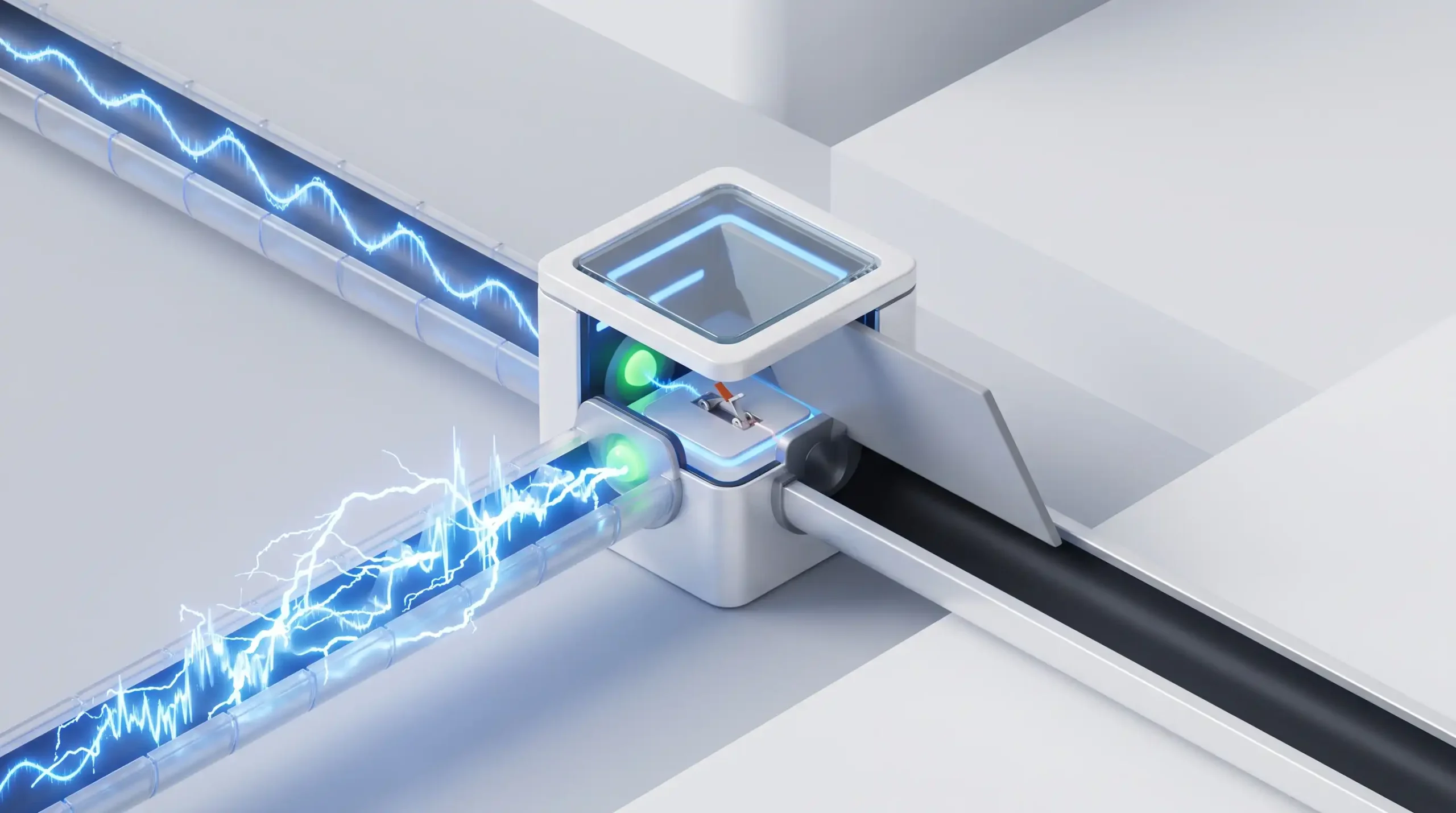
Classification of Protection Relays by Function Overcurrent Relay
An overcurrent relay monitors current magnitudes and triggers a trip if values cross pre-set safety limits. It forms the foundational protection layer for distribution grids.
Modern units incorporate specific time delay curves to allow temporary, harmless motor starting surges. This flexibility prevents nuisance tripping during normal business operations.
Read Also: Industrial Power Supplies: A Complete Guide to Reliable Energy
2. Distance Relay

Classification of Protection Relays by Function Distance Relay
A distance relay calculates the exact electrical impedance by evaluating line voltage against current ratios. This measurement reveals how far away a fault sits.
It serves as the primary protective mechanism for long distance high voltage transmission lines. Its zone settings allow it to ignore faults occurring outside its territory.
Read Also: Industrial Power Solutions: Powering Your Business Future
3. Differential Relay
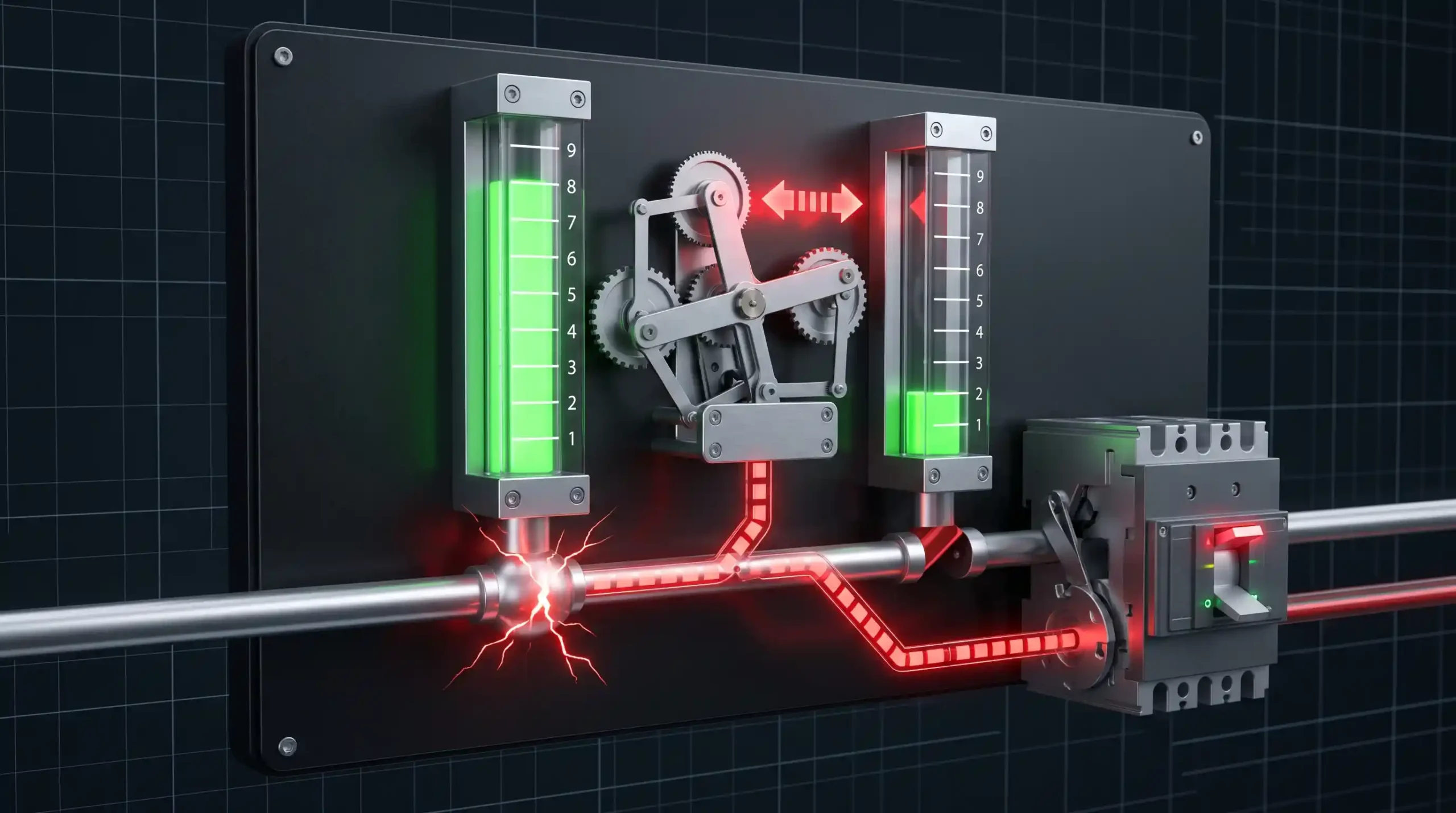
Classification of Protection Relays by Function Differential Relay
A differential relay compares the electrical current entering an asset against the current exiting it. Under normal operation, these two values must match exactly.
Any internal fault creates an immediate current mismatch, triggering an instant trip command. It offers highly reliable protection for expensive substation transformers.
Read Also: ABB Power Technology IDC Infrastructure Application
4. Earth Fault Relay
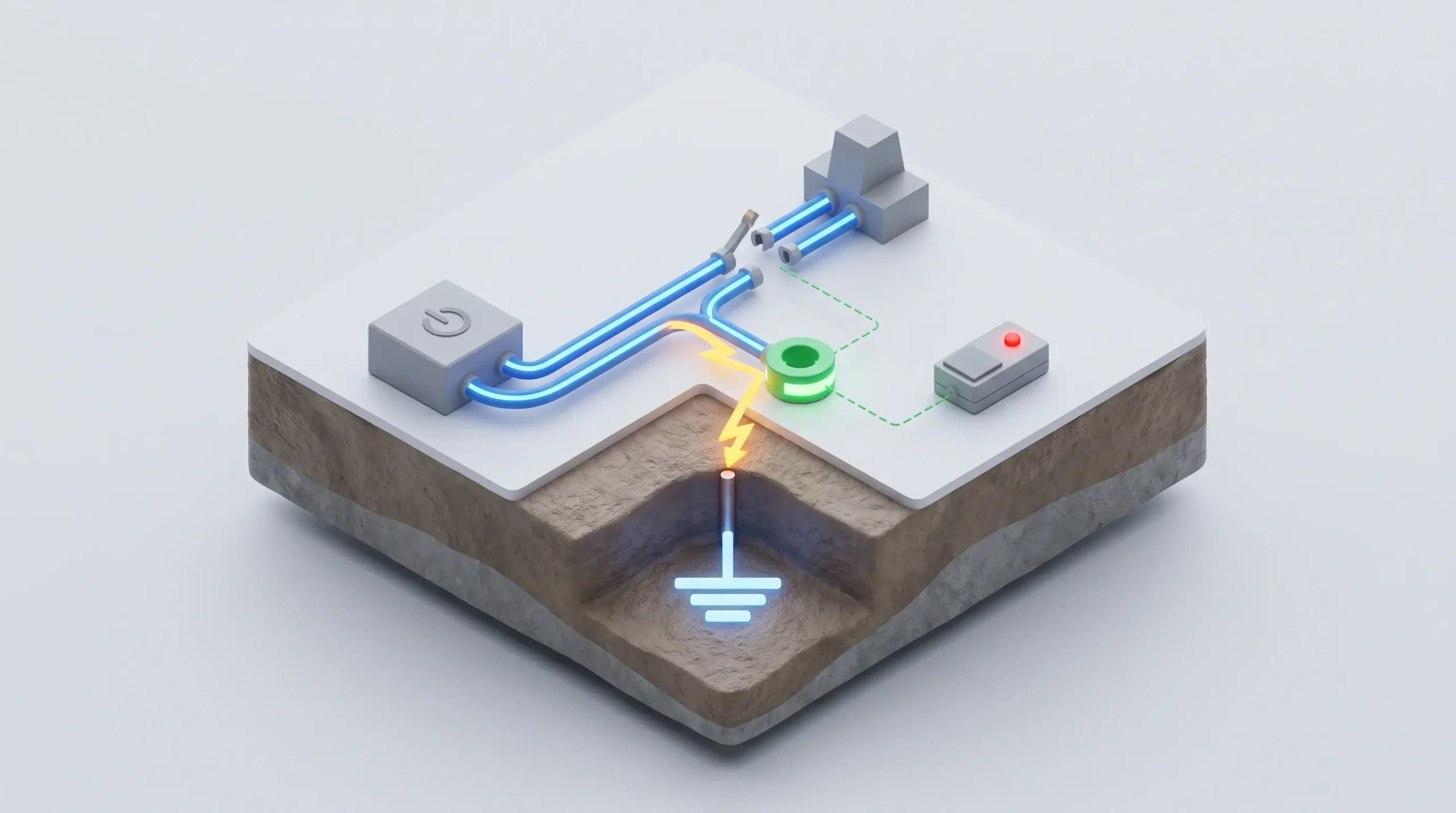
Classification of Protection Relays by Function Earth Fault Relay
An earth fault relay tracks current imbalances by monitoring the zero sequence current component. It activates when a phase wire touches the physical ground.
This highly sensitive relay protects human lives from step and touch potential hazards. It identifies dangerous ground leaks that standard overcurrent relays might miss.
Read Also: Power Infrastructure Construction for African Data Centers
5. Frequency Relay

Classification of Protection Relays by Function Frequency Relay
A frequency relay monitors grid rotation speed to detect severe balance mismatches between generation and load. Rapid frequency drops indicate an immediate power generation shortage.
When frequency plunges, the relay executes automated load shedding to stabilize the entire regional grid. This rapid action prevents total countrywide blackouts.
Customized Protection Schemes for Vital Assets
Securing a power grid requires combining various protective technologies into integrated security schemes. Tailored power system protection configurations shield vulnerable components from catastrophic failure.
1. Generator Protection
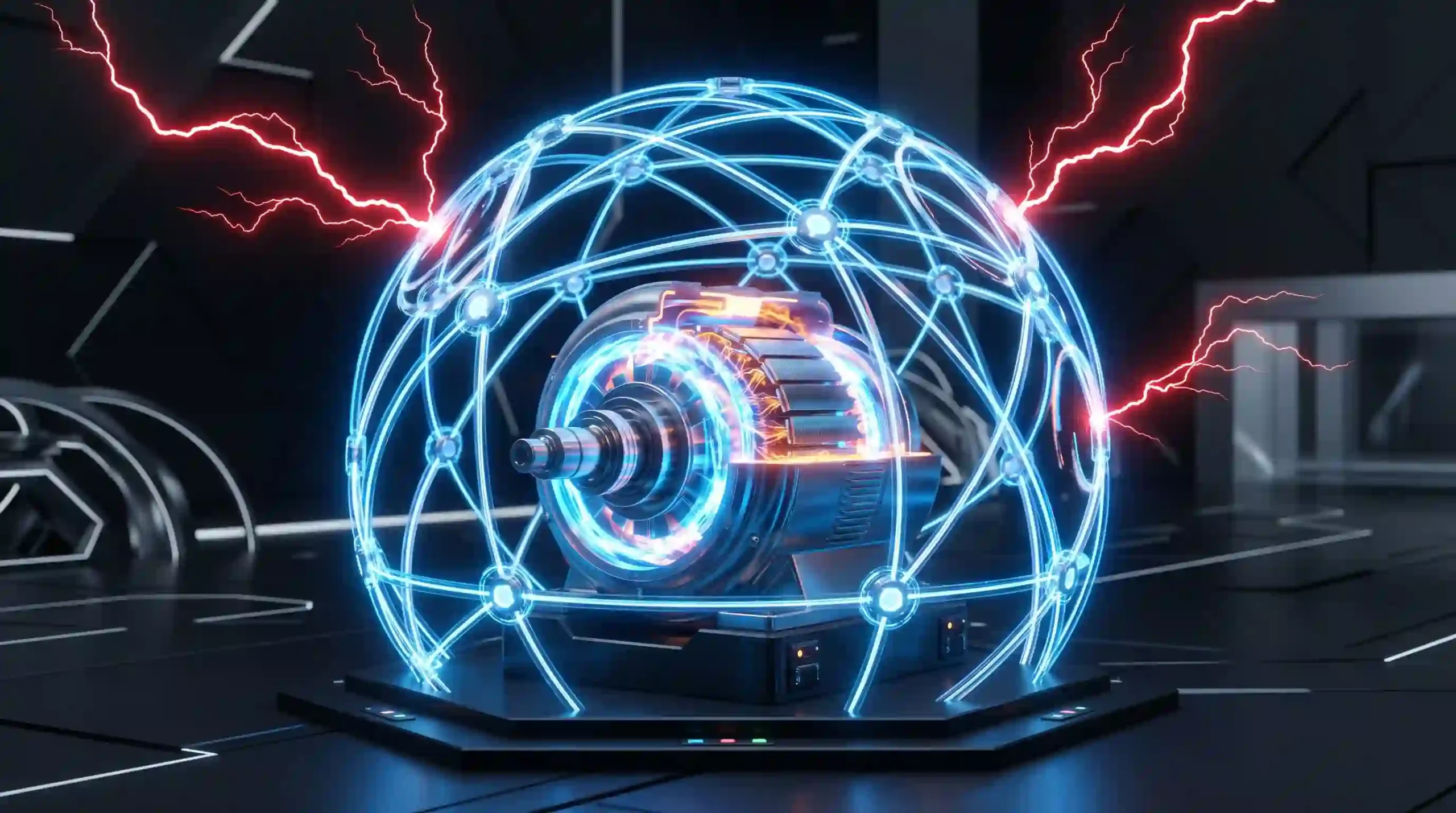
Customized Protection Schemes for Vital Assets Generator Protection
Large power generators use stator earth fault relays alongside differential units to secure vital internal windings. These systems catch internal insulation breakdowns immediately.
Additionally, reverse power relays prevent the generator from motoring and absorbing energy from the grid. This safeguards the mechanical turbine from severe physical stress.
Read Also: Backup UPS Systems: Ultimate Protection for Electronics
2. Power Transformer Protection
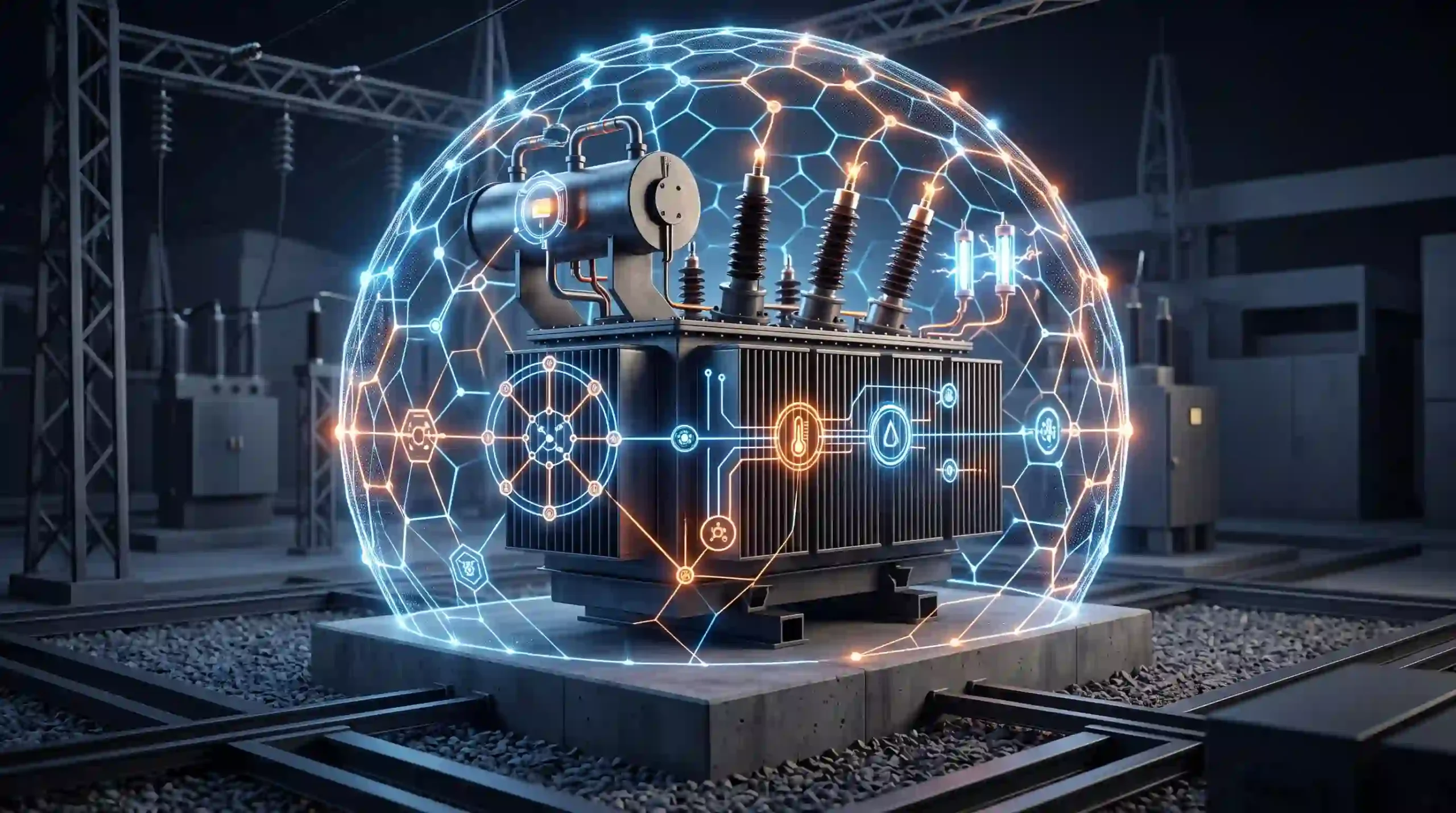
Customized Protection Schemes for Vital Assets Power Transformer Protection
Substation transformers are secured using a blend of internal electrical relays and mechanical sensors. Electrical differential units tackle sudden short circuits instantly.
Meanwhile, a mechanical Buchholz relay detects internal gas buildup caused by slow oil insulation decomposition. This early warning prevents explosive oil tank failures.
Read Also: Power Line Conditioner: Is One Really Necessary for Gear?
3. Transmission and Distribution Protection
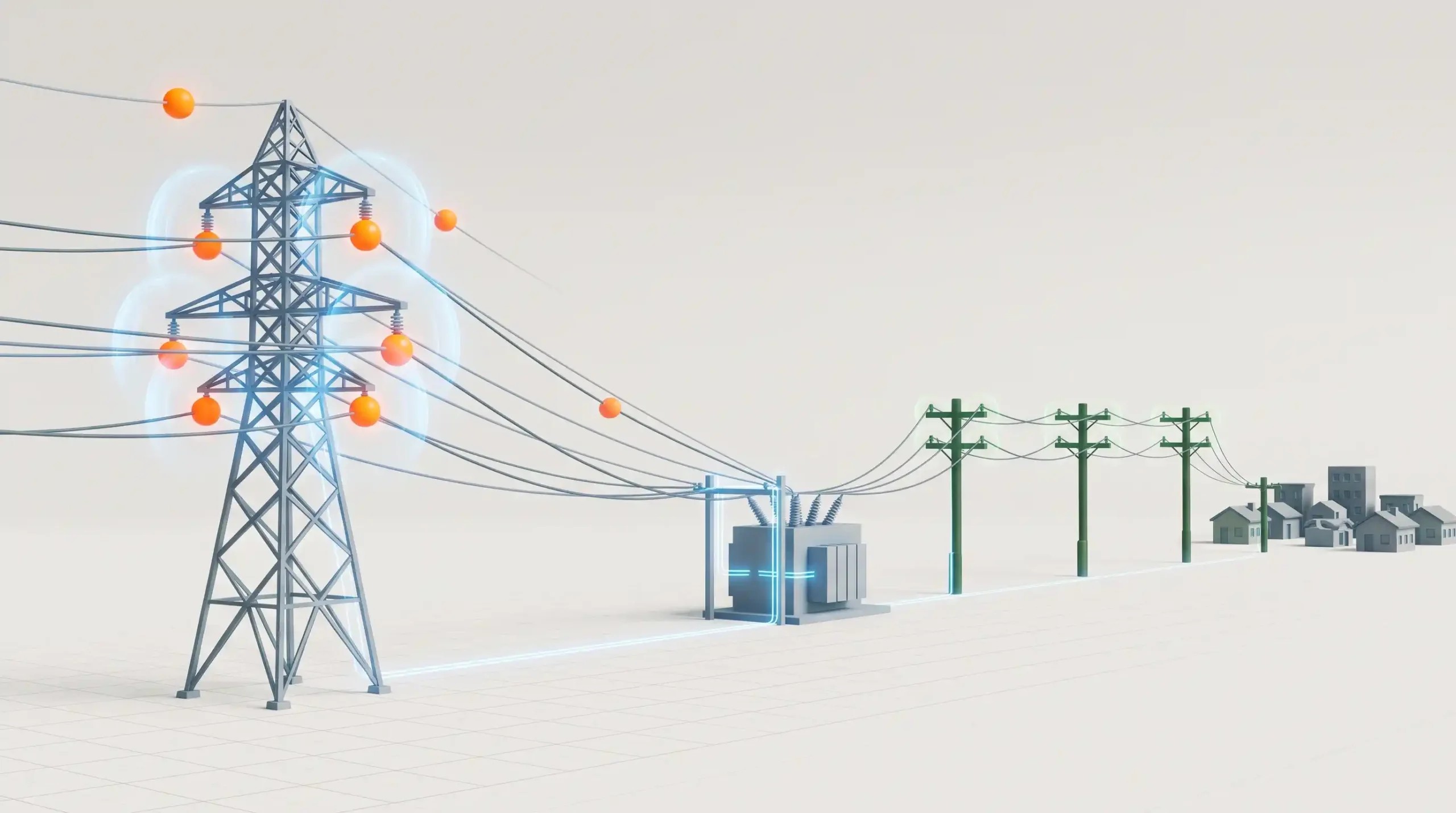
Customized Protection Schemes for Vital Assets Transmission and Distribution Protection
Long distance lines use high speed distance relays paired with directional overcurrent relays for accurate fault pinpointing. This combination ensures proper coordination across complex meshes.
Engineers also deploy automated reclosers to restore power instantly after temporary faults like tree branches clearing. This smart automation keeps rural power grids active.