
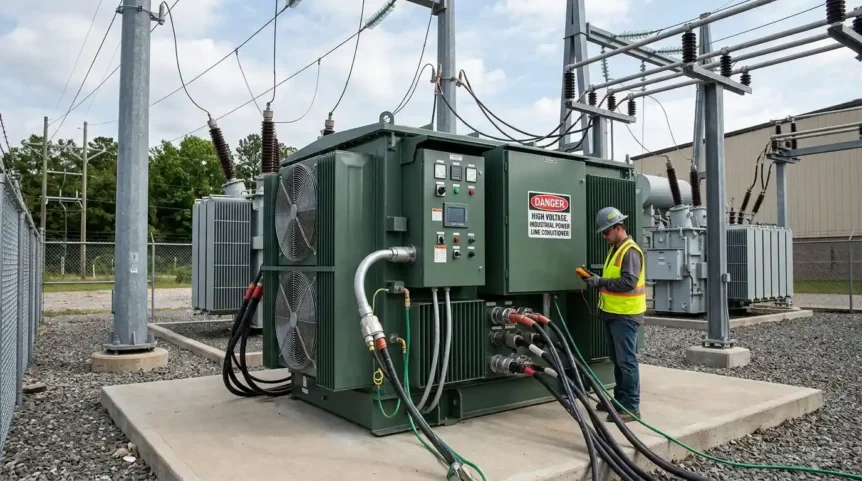
Modern electronics rely heavily on a clean and steady supply of alternating current. However, standard wall outlets often deliver inconsistent power filled with hidden distortion and harmful voltage spikes.
Investing in a high-performance Power Line Conditioner solves these utility issues by purifying electricity before it hits your valuable equipment. This essential tool ensures optimal operational performance while significantly extending the lifespan of sensitive digital devices.
Key Takeaways:
-
A Power Line Conditioner stabilizes voltage and filters electrical noise to protect sensitive digital electronics.
-
Its core functions include voltage regulation, EMI/RFI noise suppression, and heavy-duty surge protection.
-
Unlike standard power strips or UPS units, it continuously purifies live power quality rather than just adding outlets or backup batteries.
-
Implementing power conditioning enhances audio/visual performance while significantly extending the lifespan of expensive gear.
What Is a Power Line Conditioner?
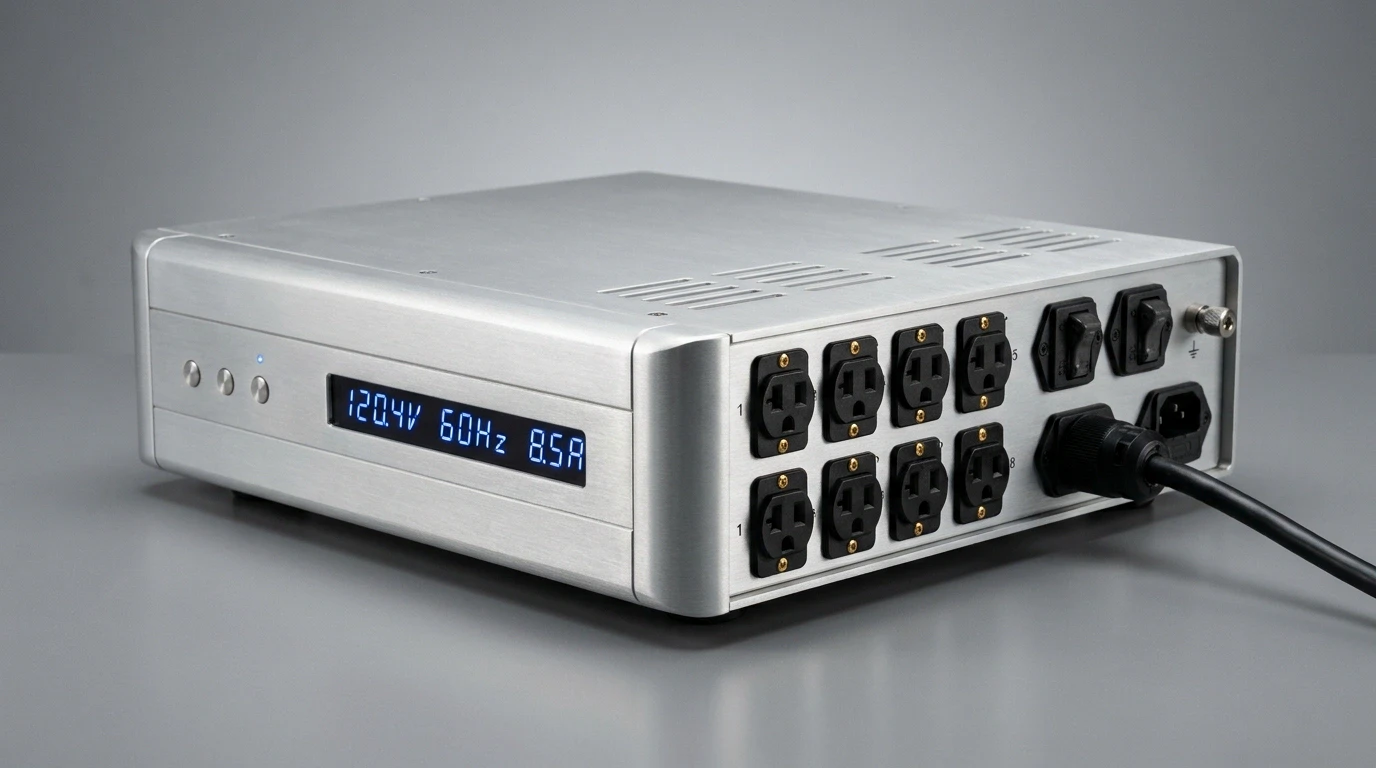
Power Line Conditioner
Understanding how electrical current impacts delicate internal circuitry is critical for long-term device health. A quality conditioner transforms erratic utility power into a pristine energy stream.
A Power Line Conditioner is a specialized electronic unit designed to smooth out fluctuating voltage levels and eliminate signal interference. It acts as an active buffer, filtering out dirty electricity before raw power reaches connected components. By continually refining the incoming current, it preserves sine wave accuracy and protects fragile digital processors.
Read Also: Understanding Power Conditioner and UPS: Which Do You Need?
3 Core Functions of a Power Line Conditioner
Every power conditioning unit relies on distinct internal components to maintain peak power quality. Understanding these primary technical functions helps clarify why basic outlets fall short.
1. Voltage Stabilization
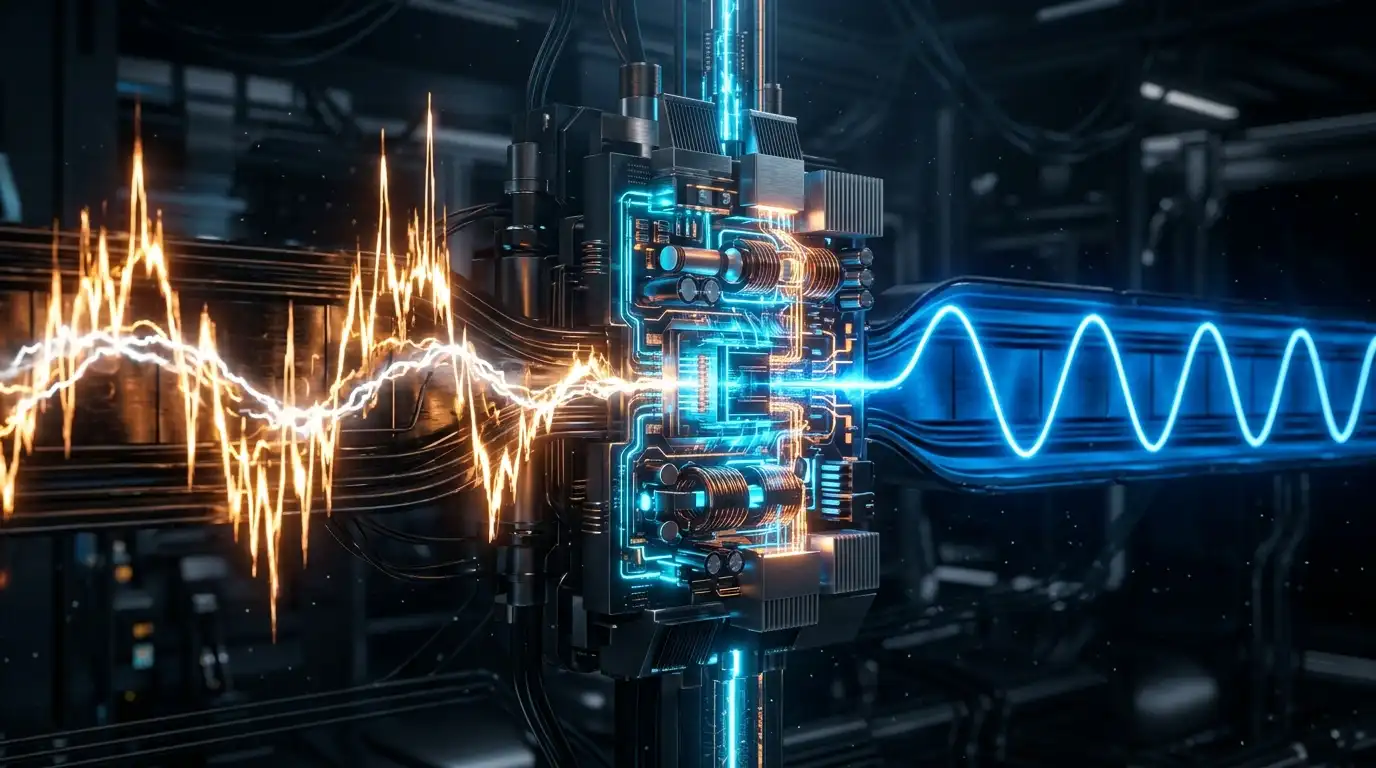
3 Core Functions of a Power Line Conditioner is Voltage Stabilization
Inconsistent power grids frequently experience sudden dips or temporary surges in rms voltage. A dedicated conditioner actively regulates incoming current, keeping it within a safe operating range to prevent component stress.
By smoothing out brownouts and overvoltage events, this continuous stabilization prevents system crashes and permanent hardware failures. It keeps sensitive microchips operating at their ideal electrical baseline without overheating or losing data integrity.
Read Also: Power Distribution Centers: Types, Components & Uses
2. Noise Filtering (EMI/RFI Suppression)
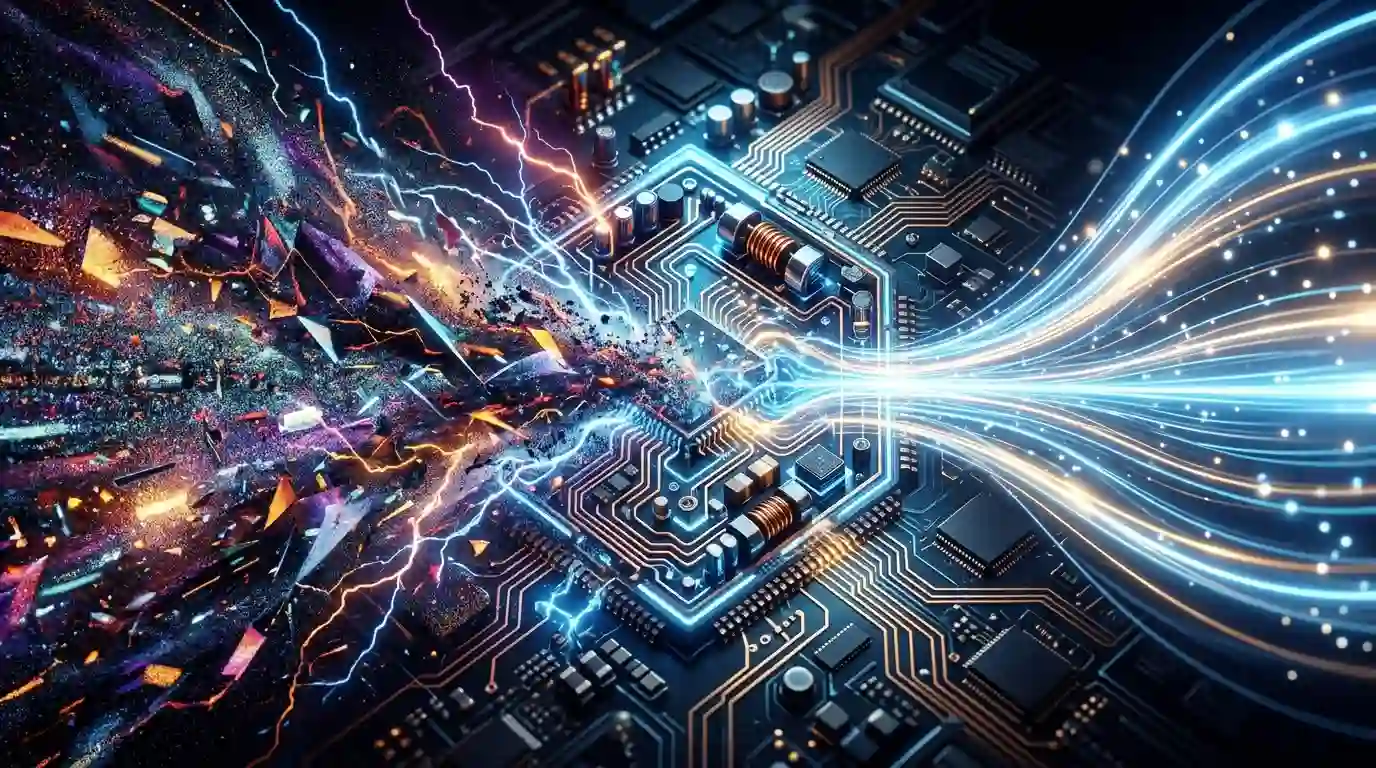
3 Core Functions of a Power Line Conditioner is Noise Filtering (EMIRFI Suppression)
Household wiring often collects unwanted high-frequency interference from nearby electronics like appliances or Wi-Fi routers. Conditioners utilize specialized passive filters to suppress both electromagnetic interference and radio frequency interference.
Eliminating these stray frequencies prevents signal degradation across sensitive audio and visual processing lines. This isolation guarantees that analog signals remain clear, crisp, and completely free from hum or static.
Read Also: What is a 3 Phase UPS? Working Principles & Benefits
3. Surge Protection
3 Core Functions of a Power Line Conditioner is Surge Protection
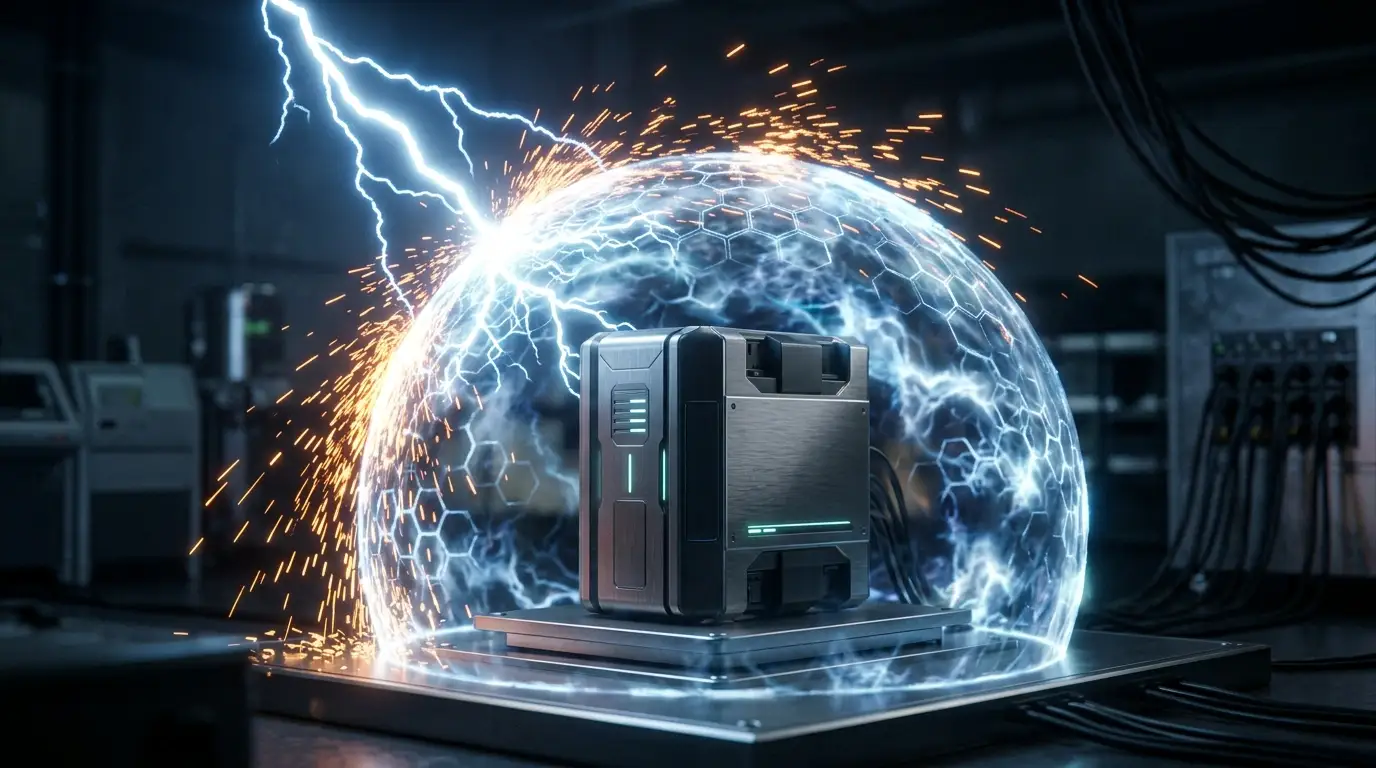
Sudden high-voltage spikes caused by lightning strikes or grid switching can instantly destroy unconditioned electronics. Conditioners integrate heavy-duty metal oxide varistors to absorb or safely divert excess energy away from your gear.
Unlike standard surge protectors, these advanced units handle repeated electrical anomalies without degrading their internal protective capacity. This continuous clamping action shields expensive hardware from catastrophic damage during unexpected power anomalies.
Read Also: Critical Facilities: A Guide to Essential Infrastructure
Power Line Conditioner vs. Other Electrical Devices
Many consumers confuse power conditioners with common power management accessories. Differentiating these tools ensures you select the correct protection for your setup.
1. Power Line Conditioner vs. Standard Power Strip
Power Line Conditioner vs. Standard Power Strip
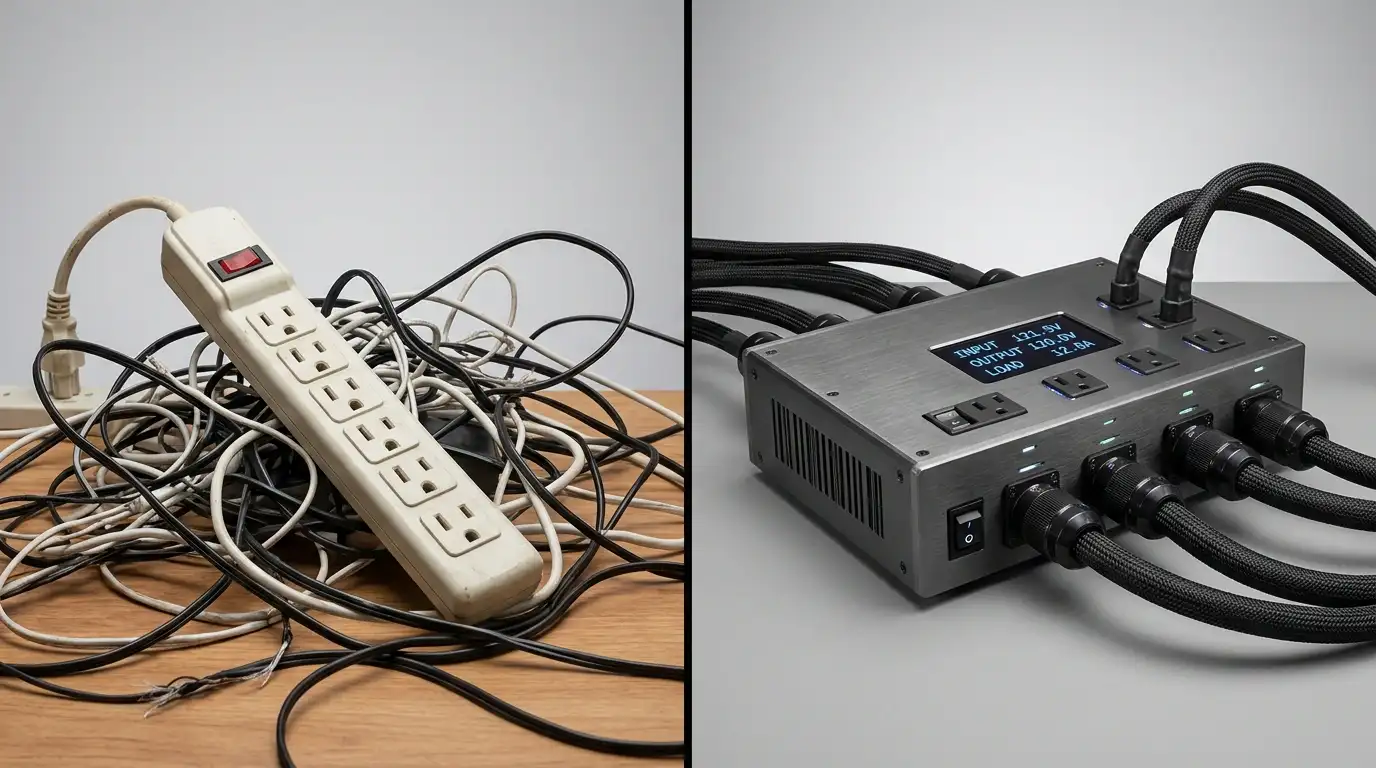
A standard power strip merely increases the number of available wall outlets without modifying current quality. In contrast, a power conditioner dynamically cleans, regulates, and filters raw electricity.
While power strips offer basic convenience, they leave connected electronics completely exposed to noise and voltage shifts. Investing in conditioning hardware adds a dedicated layer of power filtering that basic strips cannot provide.
Read Also: Double Conversion UPS: Guide to Online Power Backup
2. Power Line Conditioner vs. Uninterruptible Power Supply (UPS)
Power Line Conditioner vs. Uninterruptible Power Supply (UPS)
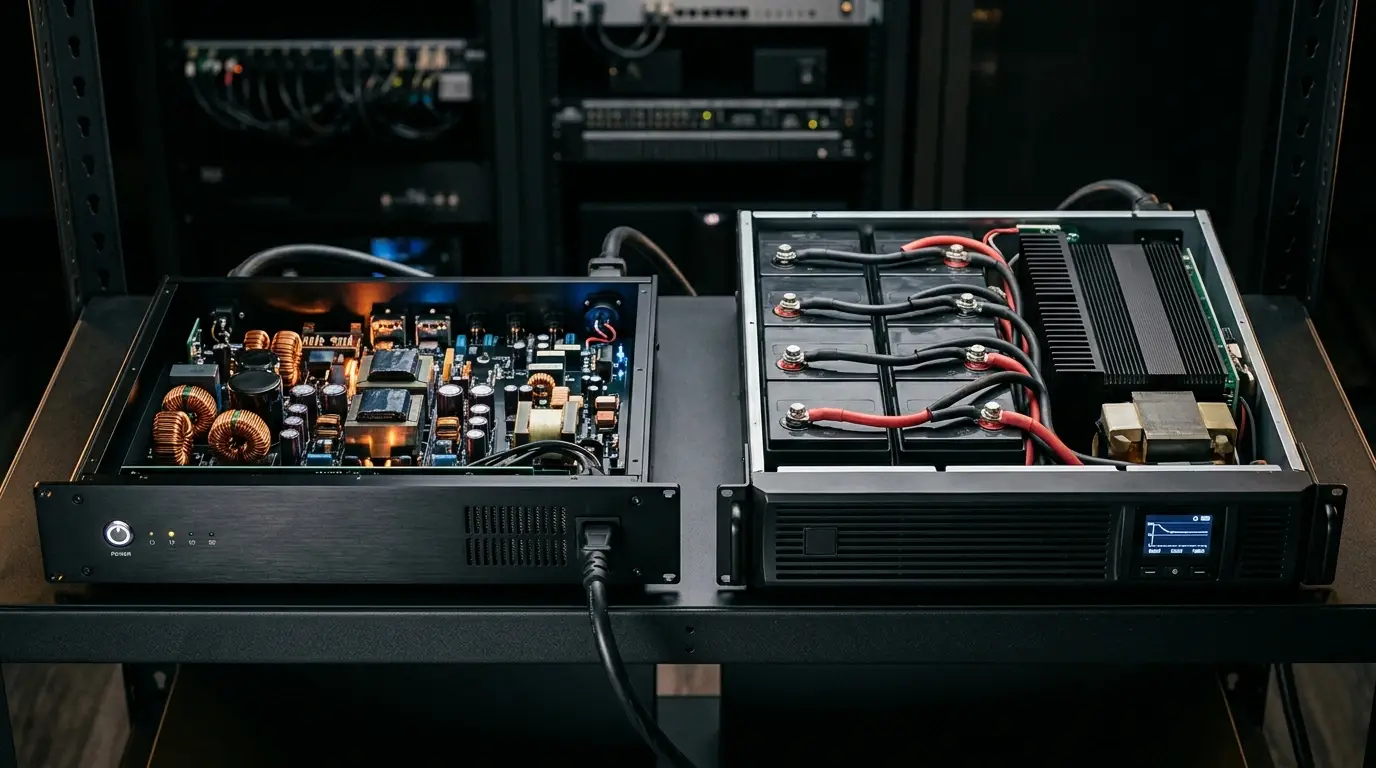
An uninterruptible power supply focuses primarily on providing short-term battery backup during total utility blackouts. A power line conditioner concentrates exclusively on continuously purifying live grid electricity while power is active.
Although some high-end UPS systems include basic conditioning features, dedicated conditioners offer superior noise suppression and tighter voltage regulation. Combining both devices yields maximum uptime alongside complete signal purity.
Read Also: Understanding Power Conditioners and UPS: Which Do You Need?
Reasons Why You Need a Power Line Conditioner for Audio/Video Setups
Reasons Why You Need a Power Line Conditioner for AudioVideo Setups
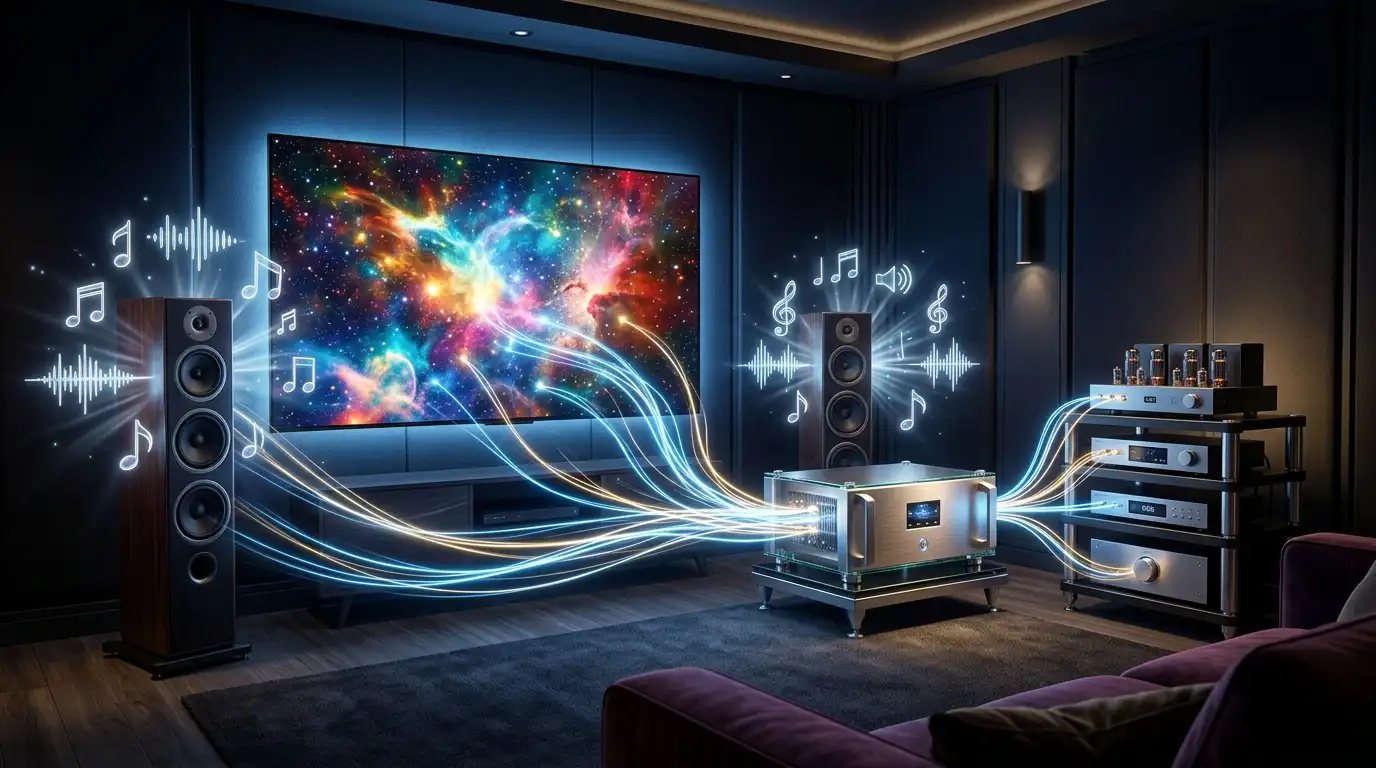
High-fidelity audio systems and ultra-high-definition displays are extremely sensitive to electrical impurities. Cleaning your power line directly enhances your overall media experience in five distinct ways.
-
Lowering the Noise Floor for Cleaner Audio: Filtering out ambient line hum reduces background hiss in amplifiers. This reveals subtle sound details and expands dynamic range during quiet passages.
-
Improving Visual Clarity and Color Accuracy: Stable voltage prevents display flickering, line artifacts, and color banding on modern displays. It guarantees crisp black levels and vivid video reproduction.
-
Protecting High-End Equipment from Electrical Damage: Costly home theater receivers and active monitors feature delicate internal DACs. Proper conditioning shields these components from destructive power spikes and thermal fatigue.
-
Preventing Signal Degradation Across Long Cables: Long HDMI and speaker cables easily pick up ambient airborne noise. Conditioned power maintains signal integrity, reducing data drops and handshake errors.
-
Extending the Lifespan of Sensitive Gear: Operating on clean, regulated power prevents unnecessary thermal stress on internal capacitors. This dramatically increases the longevity of premium AV equipment.
Applications Across Different Industries
Beyond home setups, clean power is vital across commercial and industrial sectors where operational precision is critical.
1. Recording Studios & AV Production

Recording Studios & AV Production
Professional recording facilities demand an ultra-low noise floor to capture uncolored audio signals. Any hum introduced by dirty electricity can ruin multi-track recordings and delicate mastering sessions.
Conditioners protect expensive vintage microphones and outboard tube gear from electrical damage. They ensure repeatable audio quality and zero interference during critical broadcast productions.
Read Also: Data Center UPS Systems: Functions and How They Work
2. Medical Facilities & Laboratories
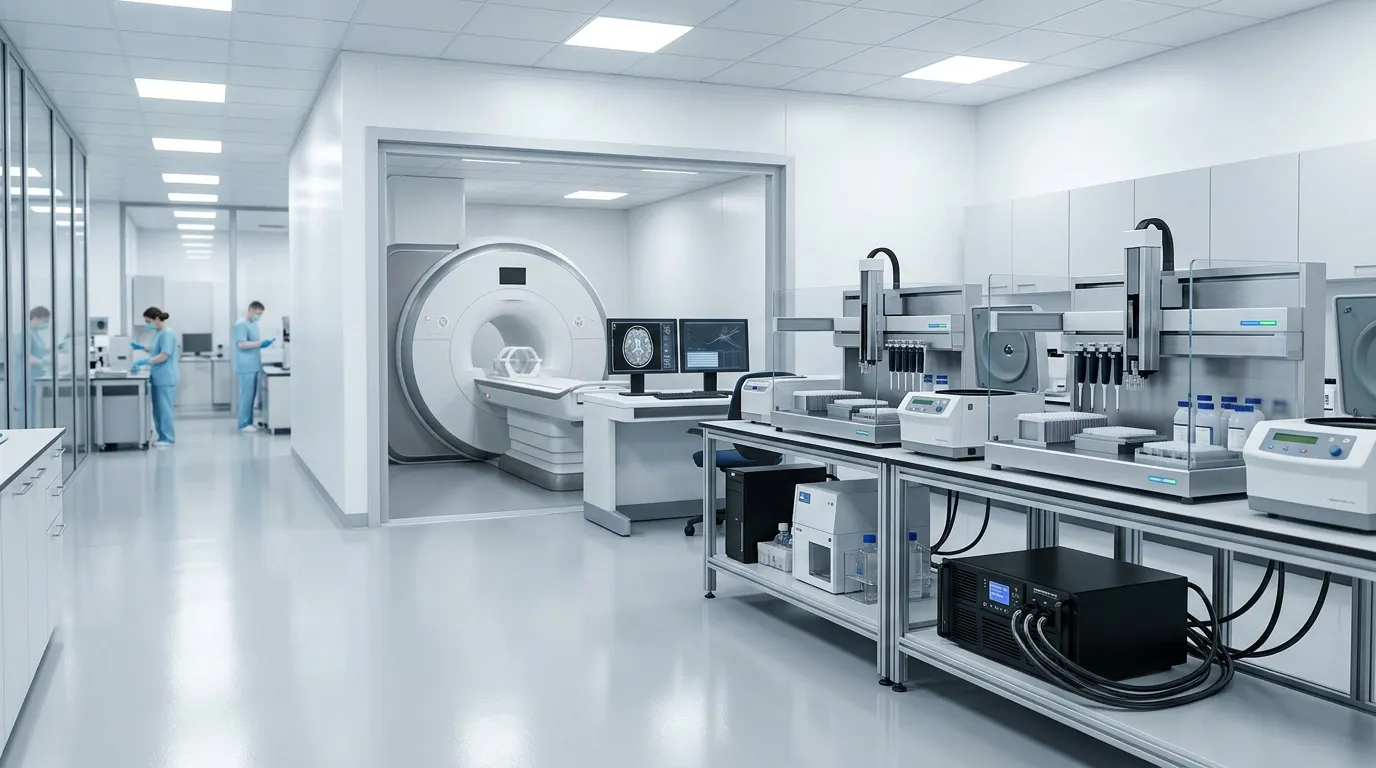
Medical Facilities & Laboratories
Diagnostic instruments like MRI machines and automated analyzers rely on stable electrical inputs for precise calibration. Small voltage variations can result in inaccurate readings or corrupted patient testing data.
Implementing line conditioning isolates sensitive laboratory computers from facility-wide grid noise. This ensures full regulatory compliance, reliable diagnostic output, and uninterrupted clinical workflows.
Read Also: The Best Power Distribution Solution for Your Needs
3. Industrial Manufacturing & CNC Machinery
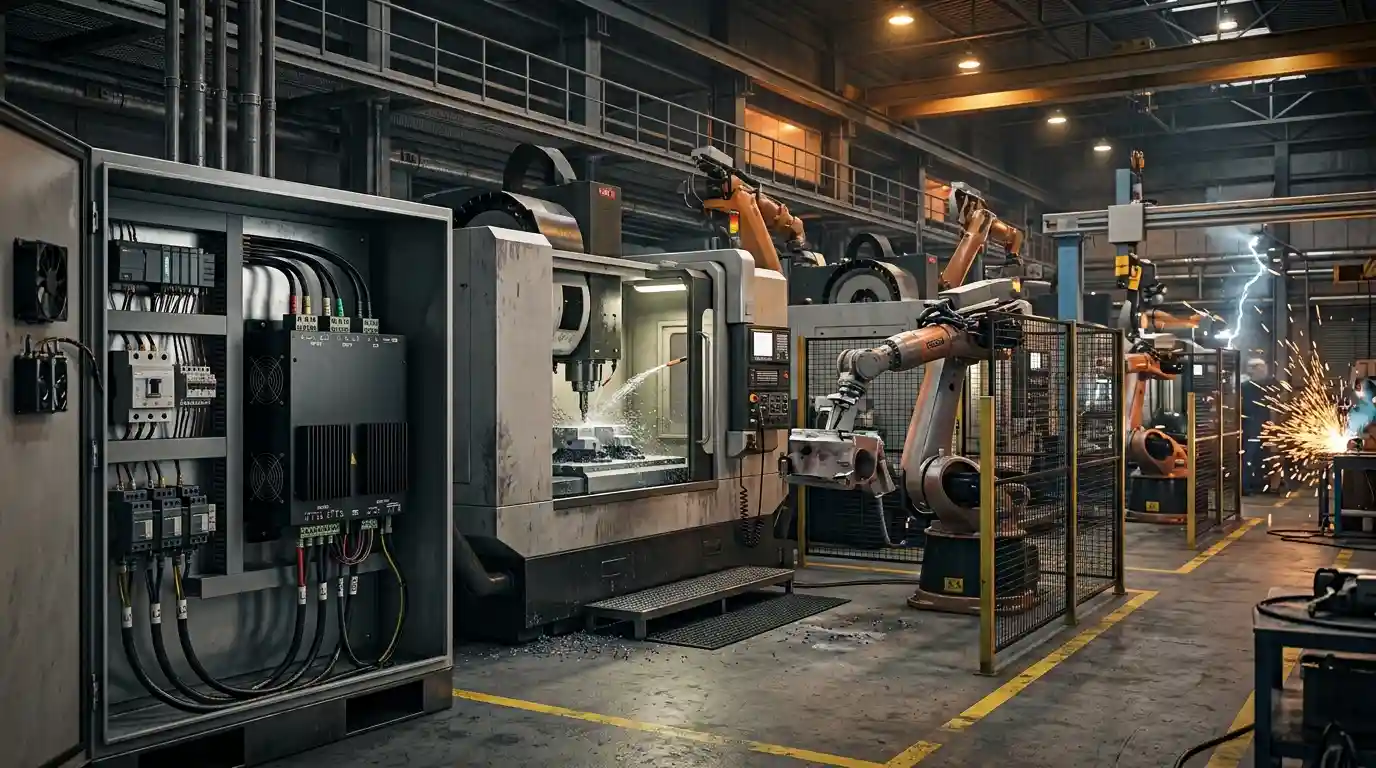
Industrial Manufacturing & CNC Machinery
Heavy industrial motors generate massive inductive load changes that disrupt nearby automated equipment. Automated CNC machinery requires steady voltage to execute precise cutting movements without computer errors.
Conditioners suppress severe electrical noise created by heavy machinery operating on shared power lines. This prevents costly manufacturing errors, program resets, and unexpected assembly line downtime.
References
- Buzdugan, M., & Balan, H. (2012). Some power quality issues in hospital facilities. Renewable Energy and Power Quality Journal, 1(10), 856–860. https://doi.org/10.24084/repqj10.490
- Galli, R., & Noll, F. (2022). Effects of medically generated electromagnetic interference from medical devices on cardiac implantable electronic devices: A review. World Journal of Cardiology, 14(9), 480–491. https://doi.org/10.4330/wjc.v14.i9.480