
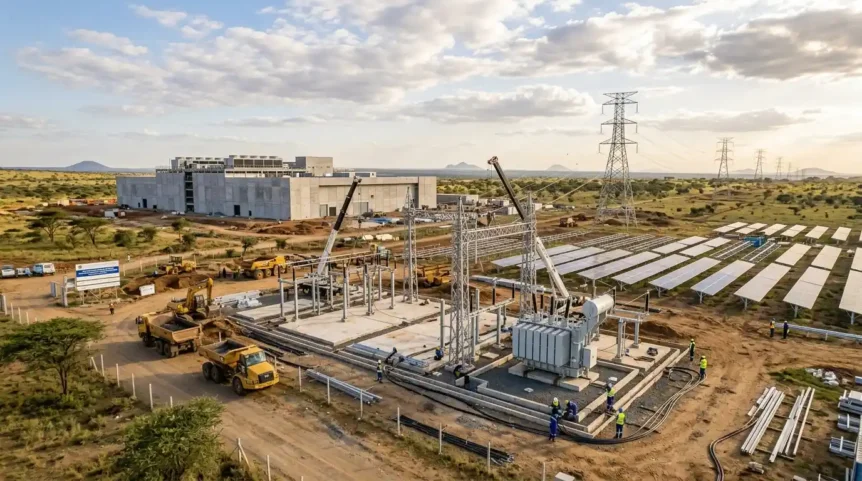
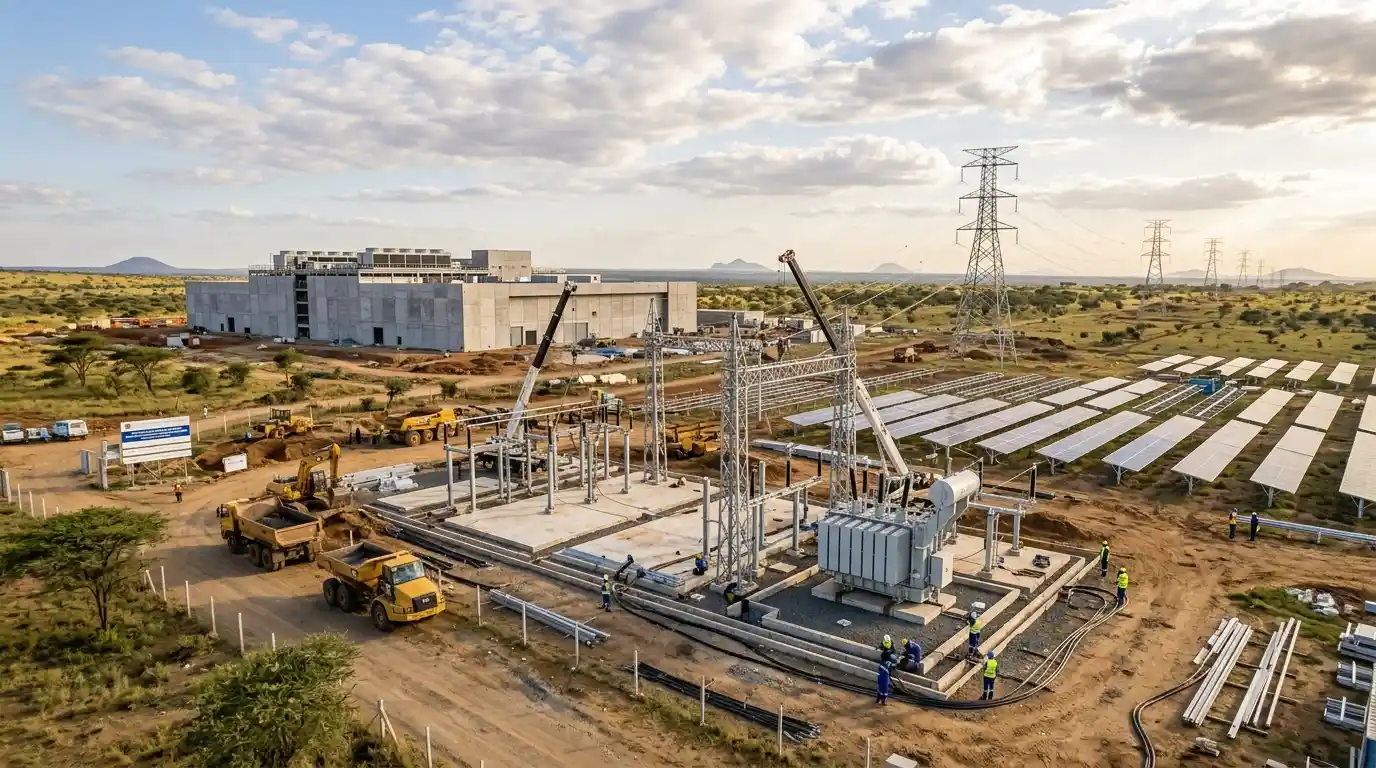
Africa is currently witnessing an unprecedented surge in digital transformation and data consumption. This rapid growth demands a massive expansion of data center infrastructure across the continent to support cloud services.
However, the primary bottleneck remains the inconsistency of existing power grids. Reliable power infrastructure construction has become the most critical factor for ensuring long-term operational success and regional competitiveness.
The Critical Role of Power Infrastructure for African Data Centers
The African digital ecosystem is expanding rapidly, yet many regions face chronic power instability. Without a stable foundation, data centers struggle to maintain the uptime required by global enterprise clients.
Operators are shifting their perspective, moving from being passive consumers to becoming grid stakeholders. They must now function as localized micro-utilities, building private systems that operate independently of local municipal grids.
Read Also: Critical Facilities: A Guide to Essential Infrastructure
Core Power Infrastructure Components for Resilient Operations
Building robust facilities requires an integration of advanced hardware and sustainable energy solutions. These systems act as a buffer against frequent utility failures, guaranteeing continuous facility uptime.
1. On-Site Generation and Microgrid Development
Data centers in high-risk zones often rely on massive diesel generator farms to survive frequent outages. These systems provide immediate, reliable power when the national grid fails unexpectedly.
To improve sustainability, many operators are now transitioning to cleaner fuels like Hydrotreated Vegetable Oil (HVO). This shift reduces carbon footprints while maintaining the high performance of on-site microgrids.
2. Renewable Energy Integration and Energy Wheeling
Hyperscalers are increasingly turning to Power Purchase Agreements (PPAs) to secure reliable green energy. By investing in off-site solar or wind projects, they successfully bypass regional grid capacity limitations.
Energy wheeling further enables these operators to transmit power across the grid efficiently. This strategic approach helps meet aggressive net-zero targets while ensuring a consistent supply of renewable energy.
3. Achieving Tier III+ Redundancy Standards
Meeting Tier III certification requires a strict N+N redundancy model for both power and cooling. This configuration ensures that no single failure can halt data center operations.
Operators install large-scale Uninterruptible Power Supplies (UPS) and DRUPS units to bridge gaps during power transitions. These systems act as critical shields, keeping servers running during momentary grid fluctuations.
4. High-Voltage Substation Construction
Building custom high-voltage substations (11 kV+) is a vital step in modern construction projects. This infrastructure converts raw utility supply into stable power tailored for high-density computing loads.
By bypassing outdated municipal equipment, operators achieve better control over their power quality. This technical independence is essential for preventing the damaging effects of electrical surges and grid instability.
Optimizing Efficiency: Cooling and Energy Management
High Power Usage Effectiveness (PUE) ratios remain a significant challenge for facilities operating in hot African climates. New strategies focus on reducing the energy burden of mechanical cooling systems.
1. Liquid Cooling and Heat Reuse
As AI and ML workloads demand more power, traditional air cooling becomes insufficient. Liquid cooling technology offers a highly efficient way to manage heat for high-density equipment.
Implementing these advanced thermal solutions allows operators to maximize hardware performance and reliability. Additionally, many facilities now explore heat reuse to further minimize waste and boost efficiency.
2. Sustainable Resource Management
Effective resource management is crucial, particularly in regions where water scarcity is an ongoing concern. Facilities are adopting low-water, closed-loop cooling systems to conserve local resources.
These sustainable designs demonstrate a commitment to environmental stewardship without sacrificing operational performance. Such systems ensure that data center growth aligns with broader sustainability goals in Africa.
Regional Market Dynamics and Strategic Hubs
The approach to power varies significantly depending on the regional market landscape. Understanding these local dynamics is essential for developers planning large-scale data center projects.
1. South Africa: Regulatory Shifts and Grid Capacity
South Africa remains the continent’s primary digital hub with a well-established utility framework. Recent policy changes are opening doors for more direct corporate energy procurement.
The National Transmission Company is aggressively expanding grid capacity to support new developments. These regulatory upgrades are essential for attracting further investment in large, scalable data infrastructure.
2. East Africa: Geothermal and Green Energy Leadership
Kenya is fast becoming a leader in sustainable data center construction due to its energy profile. The country leverages its vast geothermal grid to provide reliable, clean power to operators.
This availability of base-load green energy makes the region highly attractive for high-density projects. It positions East Africa as a primary destination for companies prioritizing renewable energy.
3. West Africa: Combating Instability with Localized Generation
Countries like Nigeria face severe grid limitations, driving the need for private, on-site power generation. Local operators invest heavily in self-contained systems to guarantee uptime.
These robust solutions are also driven by strict data sovereignty requirements that demand local storage. As a result, West African facilities often feature some of the most resilient power infrastructure designs.
Future Outlook: The Intersection of AI and Power Investment
The rise of AI-driven demand is drastically accelerating the pace of infrastructure development across Africa. Investors are now focusing on self-optimizing ecosystems that can scale with evolving digital needs.
By 2030, the integration of smart energy management will define the next generation of African data centers. This strategic evolution will ultimately solidify the continent’s position in the global digital economy.