
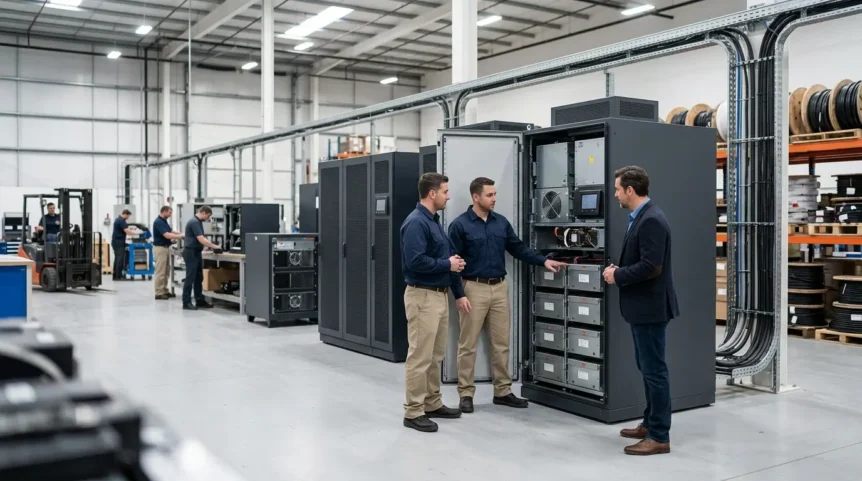
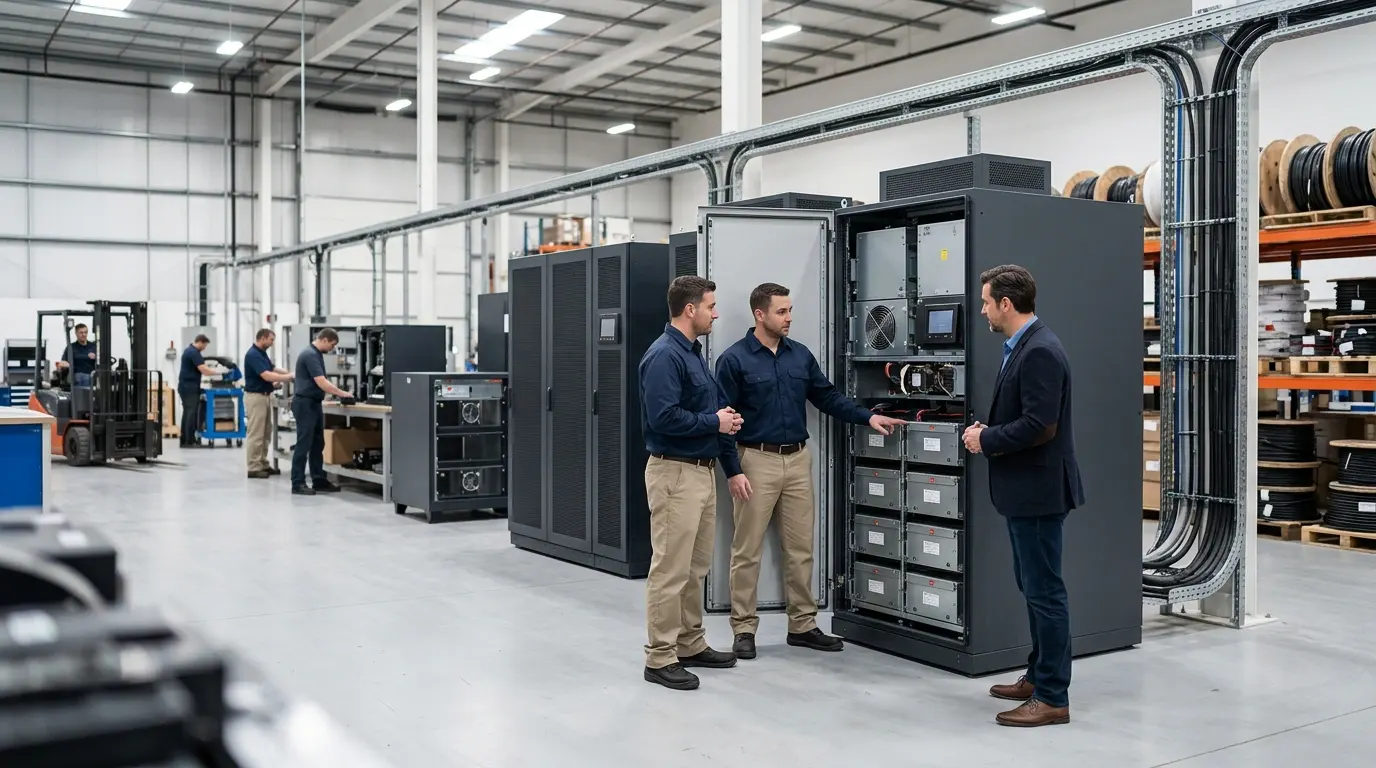
Selecting a reliable ups system supplier is a vital strategic decision for any business seeking uninterrupted operational continuity. Modern commercial facilities rely on continuous electricity, making sudden power outages, voltage sags, and electrical disruptions major threats to revenue.
A trusted vendor delivers essential hardware along with tailored power protection strategies designed to secure critical infrastructure. Partnering with the right specialist ensures long-term operational resilience, minimized downtime, and complete peace of mind for your enterprise.
Key Takeaways:
- Online double-conversion UPS topology is critical for mission-critical operations requiring continuous power with zero transfer time.
- Selecting a supplier based on technical load sizing prevents equipment overload and optimizes long-term system efficiency.
- Modular UPS architecture allows enterprises to scale power capacity incrementally as business power demands expand.
- Professional UPS suppliers provide essential end-to-end lifecycle services including site audits, commissioning, and rapid SLA support.
- Unqualified suppliers expose businesses to costly downtime risks, hardware damage, and rapid battery capacity degradation.
Understanding UPS Technology: Solutions Provided by Leading Suppliers
Every enterprise maintains unique operational demands, requiring customized power quality solutions for different equipment profiles. Selecting appropriate topology prevents operational failure while optimizing your capital expenditure and daily energy efficiency.
1. Offline / Standby UPS Systems

Offline Standby UPS Systems
An offline system acts as a cost-effective backup power solution for non-critical enterprise hardware. Electricity flows directly from the main utility source under normal conditions, keeping the internal battery charged.
When utility power fails, a internal transfer switch routes battery power through an inverter to connected equipment. This topology works exceptionally well for standalone office workstations, basic point-of-sale terminals, and standard desktop computers.
Read Also: Trusted Critical Power Infrastructure for Zero Downtime
2. Line-Interactive UPS Systems
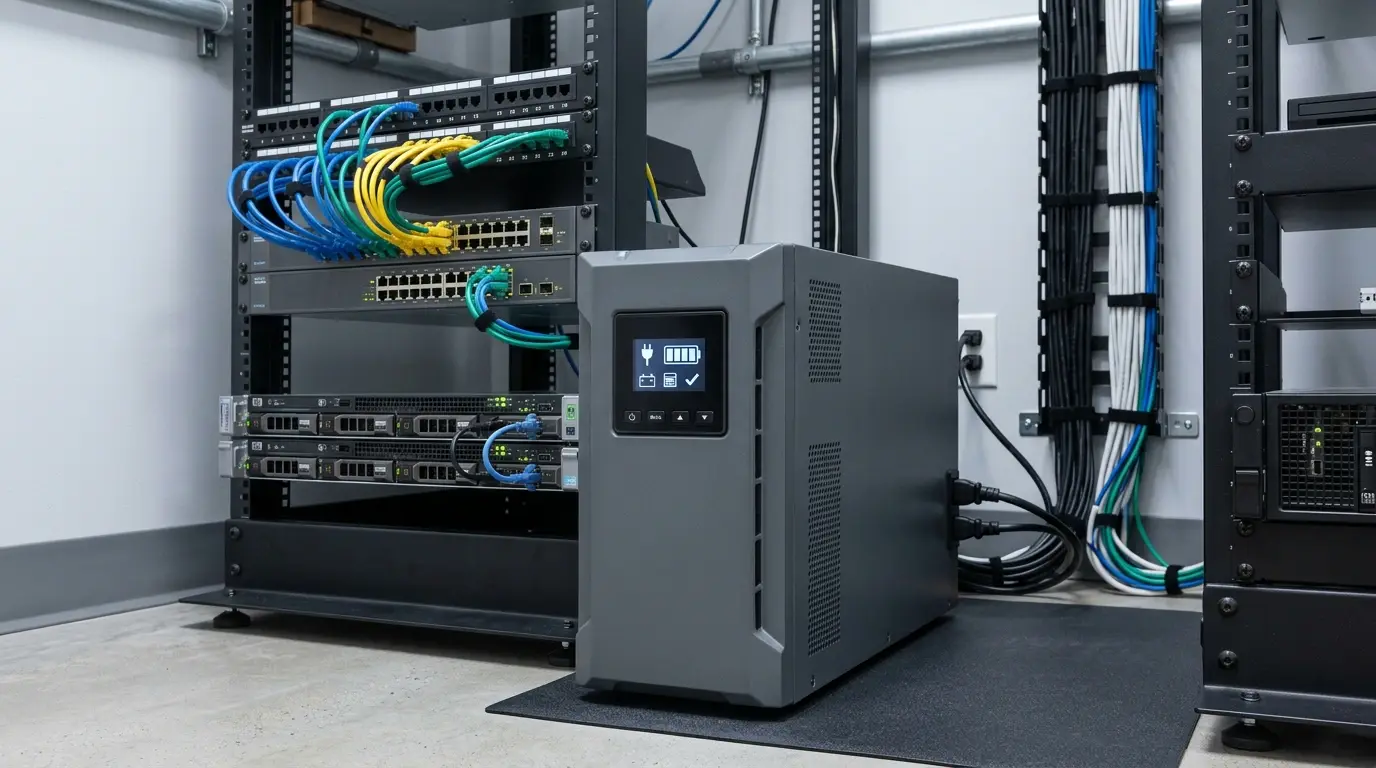
Line-Interactive UPS Systems
Line-interactive technology features built-in automatic voltage regulation (AVR) to correct voltage fluctuations without switching to battery power. This feature compensates for minor brownouts and overvoltage conditions while conserving overall battery lifespan.
These units deliver balanced efficiency and reliable protection for small network servers, routers, and enterprise switches. They are highly effective for branch offices seeking affordable power conditioning without high operational costs.
Read Also: Power Distribution Centers: Types, Components & Uses
3. Online Double-Conversion UPS Systems
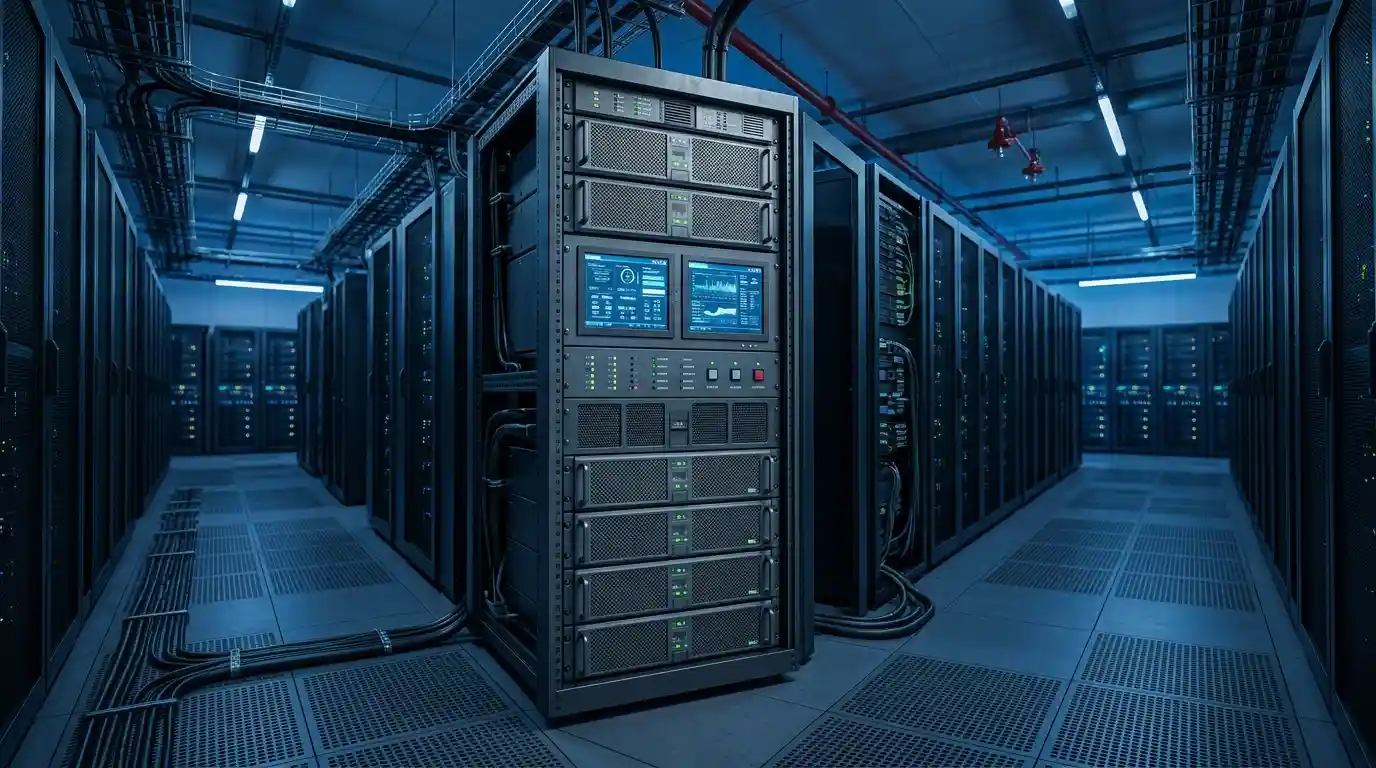
Online Double-Conversion UPS Systems
An online double-conversion system continuously converts incoming AC power into DC power, then back into pure AC electricity. This process creates complete isolation from utility grid noise, producing a clean pure sine wave output with zero transfer time.
Mission-critical infrastructure like enterprise data centers, hospital ICUs, and automated manufacturing lines strictly require this topology. It guarantees continuous operation during sudden utility grid failures and severe harmonic distortions.
Read Also: Commercial UPS Systems: Reliable Power Protection
Key Criteria for Choosing the Right UPS System Supplier
Selecting a vendor requires evaluating technical capabilities, long-term support infrastructure, and component quality rather than base pricing. A qualified partner assesses total electrical loads to build robust systems tailored for future growth.
1. Accurate Power Sizing and Load Assessment
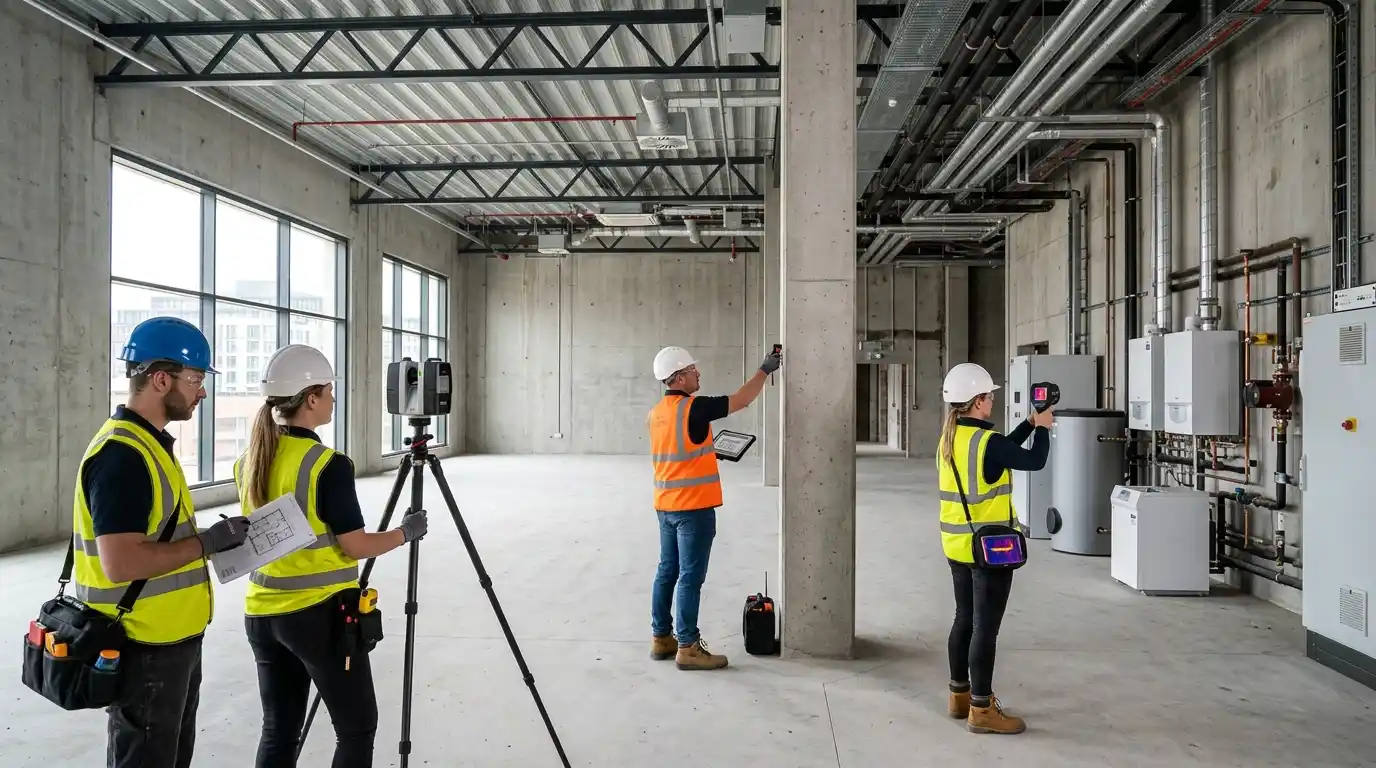
Key Criteria for Choosing the Right UPS System Supplier is Accurate Power Sizing and Load Assessment
Accurate power sizing requires precise calculations of real power in Watts and apparent power in volt-amperes (VA). A reputable vendor analyzes total system loads to select equipment that operates efficiently without risk of power overload.
Proper assessment prevents continuous equipment tripping while maintaining ideal efficiency curves across all connected devices. This technical evaluation guarantees system reliability during unexpected peak operating conditions.
Read Also: UPS Backup Power: Protect Equipment & Prevent Downtime
2. Scalable and Modular Architecture Options
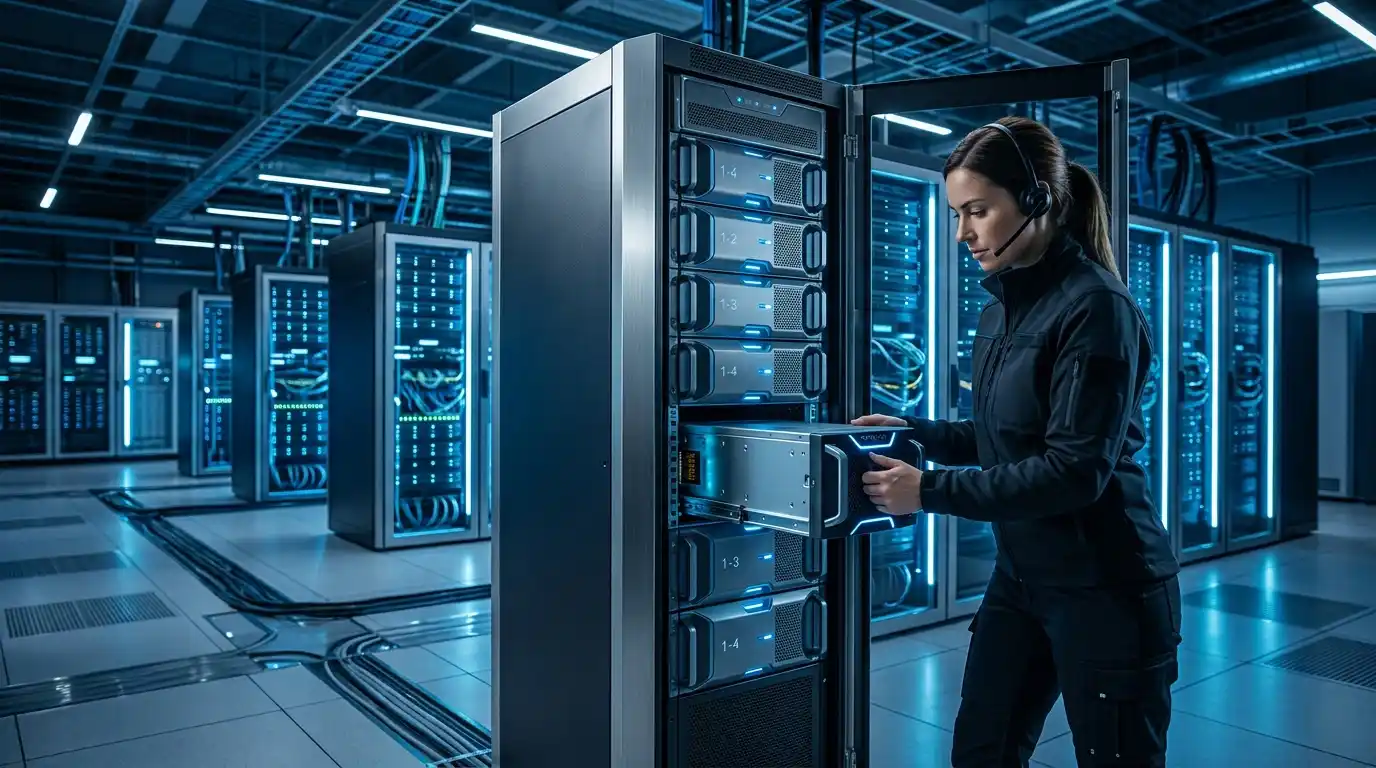
Key Criteria for Choosing the Right UPS System Supplier is Scalable and Modular Architecture Options
Modern enterprises require flexible modular UPS designs that scale alongside business expansion. Modular systems allow engineers to add self-contained power units incrementally without replacing the entire central enclosure.
This scalable infrastructure lowers initial capital expenditure while providing redundant internal backup power through parallel configurations. Organizations gain seamless operational adaptability without suffering costly system downtime during expansion projects.
Read Also: Data Center Solutions: Guide to Scalable Infrastructure
3. Advanced Battery Technology Compatibility (VRLA vs. Lithium-Ion)
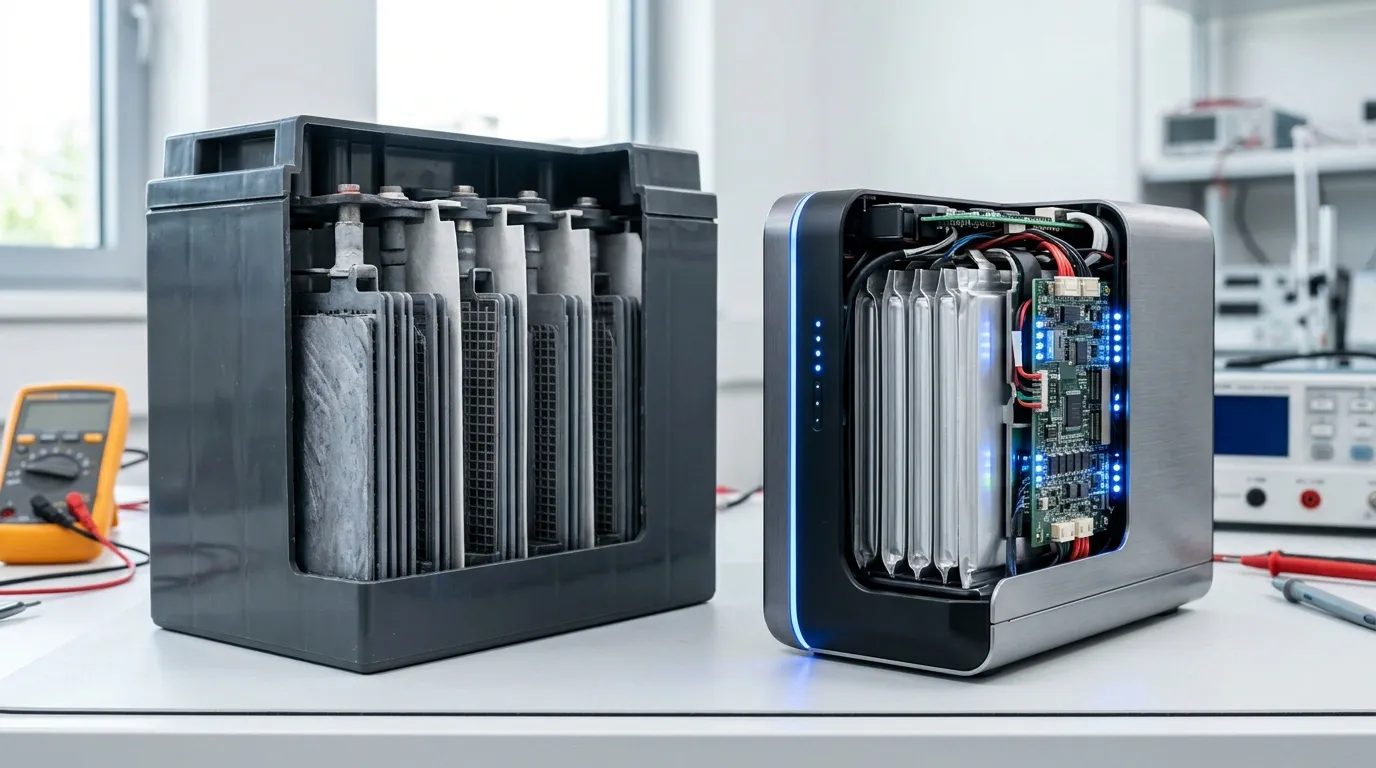
Key Criteria for Choosing the Right UPS System Supplier is Advanced Battery Technology Compatibility (VRLA vs. Lithium-Ion)
Choosing between VRLA batteries and modern lithium-ion UPS options heavily impacts long-term operational efficiency. Sealed lead-acid units offer low initial purchasing costs but demand frequent replacements and larger installation footprints.
Lithium-ion chemistries deliver longer operating lifespans, smaller physical footprints, faster recharge times, and lower total cost of ownership. Expert suppliers analyze your facility constraints to recommend the ideal energy storage platform.
Read Also: Double Conversion UPS: Guide to Online Power Backup
End-to-End Services Offered by a Professional UPS System Supplier
Top-tier vendors deliver full lifecycle management extending far beyond primary equipment sales. Comprehensive service offerings ensure proper system integration, optimal operating performance, and extended hardware longevity.
1. Pre-Installation Site Surveys & Energy Audits
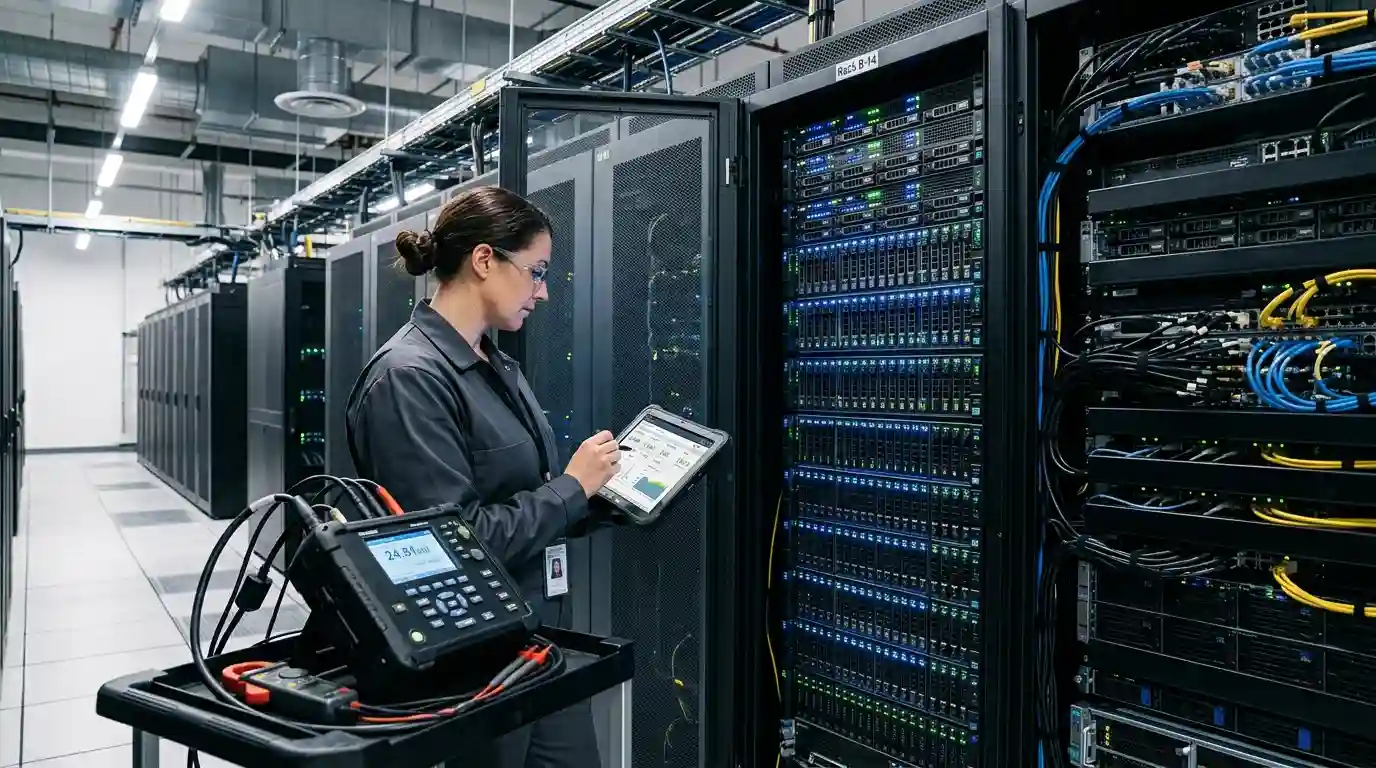
End-to-End Services Offered by a Professional UPS System Supplier is Pre-Installation Site Surveys & Energy Audits
Thorough site surveys assess existing electrical distribution systems, grounding infrastructure, and environmental factors before deployment. Engineers measure current power quality, baseline load patterns, and HVAC cooling capacities across the facility.
These diagnostic evaluations identify potential electrical hazards early, ensuring seamless system installation and operational compliance. This proactive phase prevents costly site modification delays during equipment delivery.
Read Also: Power Distribution Networks: Key Components & Architecture
2. Professional Installation, Genset Integration, and Commissioning
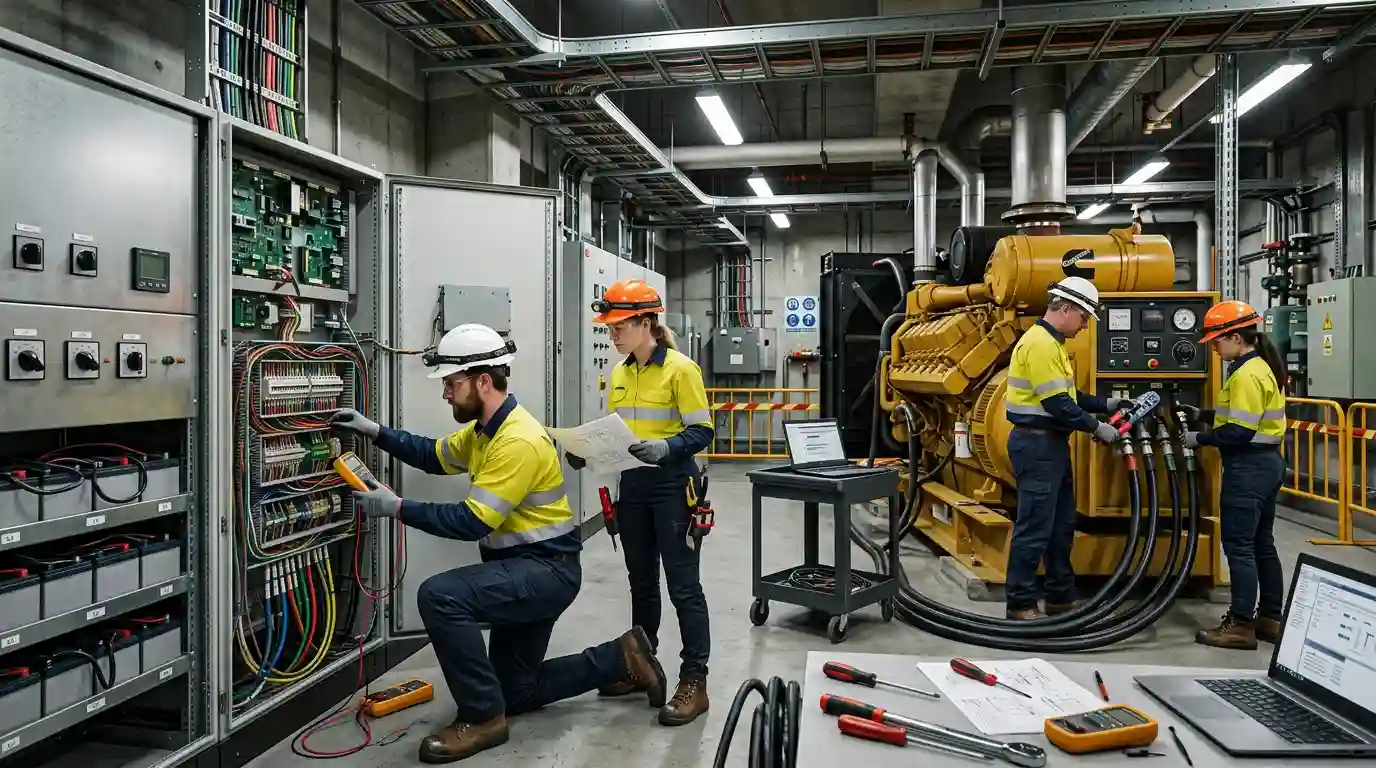
End-to-End Services Offered by a Professional UPS System Supplier is Professional Installation, Genset Integration, and Commissioning
Professional installation involves precise electrical wiring, main distribution panel connections, and seamless diesel generator synchronization. Certified technicians execute comprehensive load bank testing to verify system performance under maximum power stress.
System commissioning confirms all safety parameters, transfer sequences, and alarm thresholds function according to factory specifications. This rigorous onboarding process guarantees reliable operation before critical live loads are connected.
Read Also: Line-Interactive UPS Guide: Complete Power Protection
3. Service Level Agreements (SLA) & Rapid Emergency Response
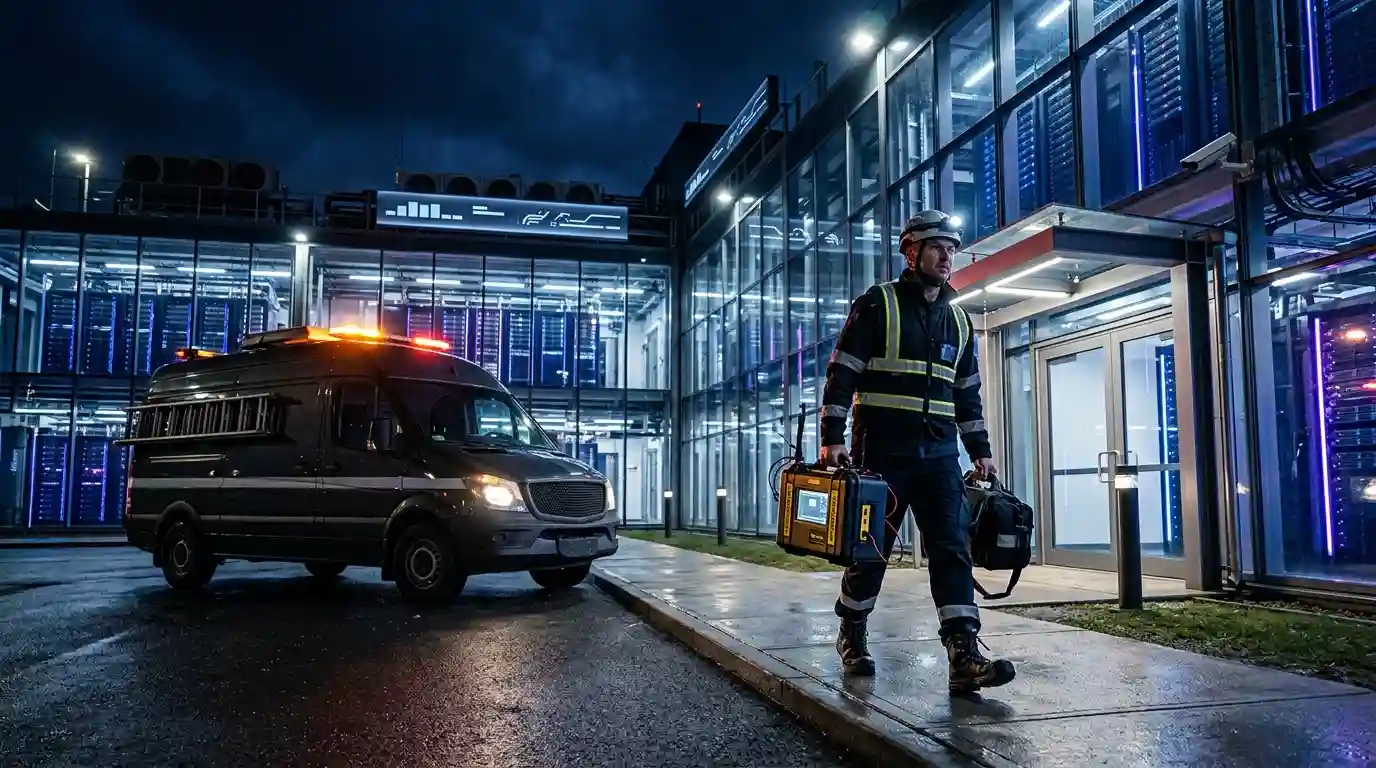
A robust service level agreement guarantees rapid field service intervention during sudden system outages or equipment alarms. Quality vendors provide guaranteed 24/7 technical assistance with guaranteed on-site response times, such as four-hour emergency arrivals.
Fast access to certified technicians and genuine spare parts minimizes operational downtime during severe hardware emergencies. Reliable support agreements serve as operational insurance for high-value business continuity.
Read Also: UPS Generator Systems: Complete Power Protection Guide
4. Preventive Maintenance & Battery Health Monitoring
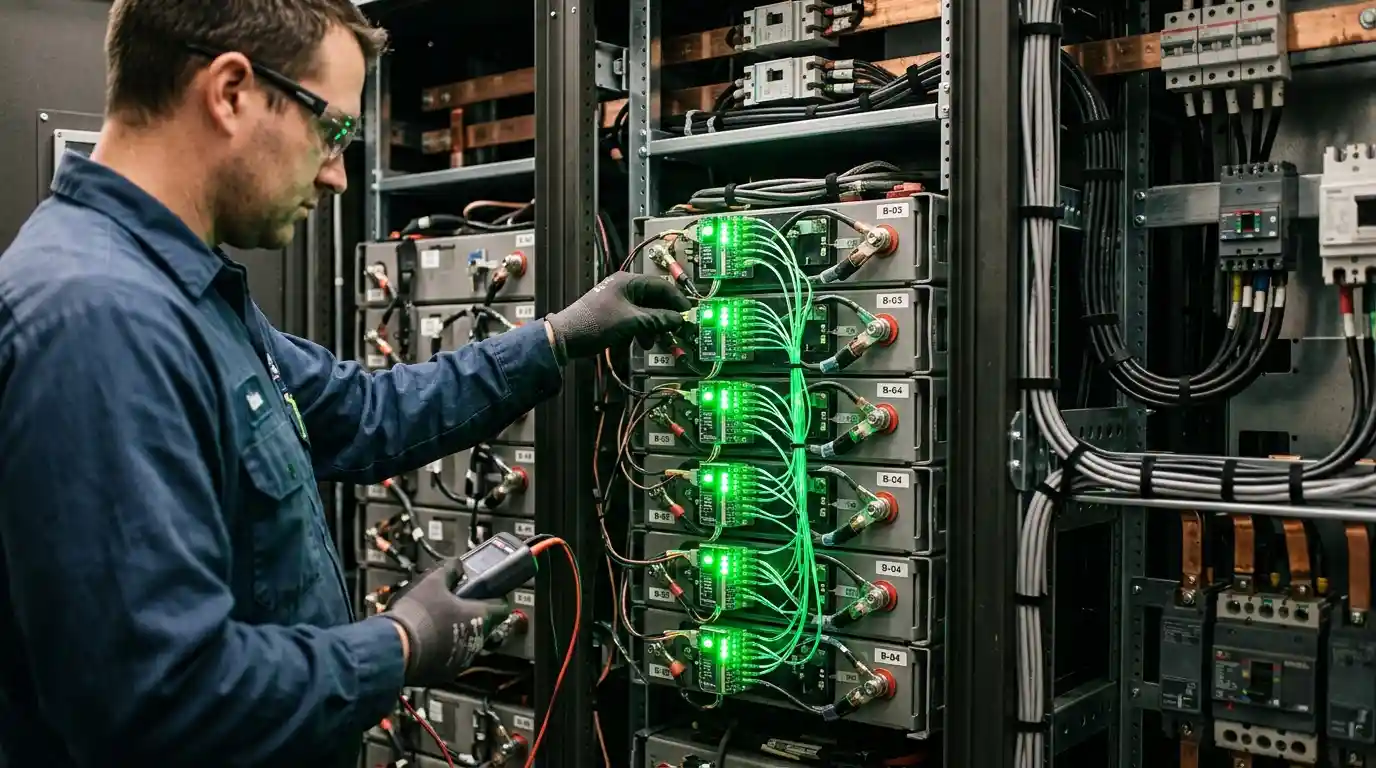
End-to-End Services Offered by a Professional UPS System Supplier is Preventive Maintenance & Battery Health Monitoring
Regular preventive maintenance programs involve internal dust extraction, thermal imaging, terminal torque adjustments, and control calibration. Maintenance technicians perform detailed battery health monitoring to detect failing individual cells before total string failure occurs.
Systematic diagnostic checks extend overall equipment service life while reducing the likelihood of catastrophic power failures. Routine maintenance log reviews ensure your power backup infrastructure operates at peak efficiency.
Read Also: Data Center Infrastructure: Architecture & Key Components
5. Flexible UPS Rental Solutions
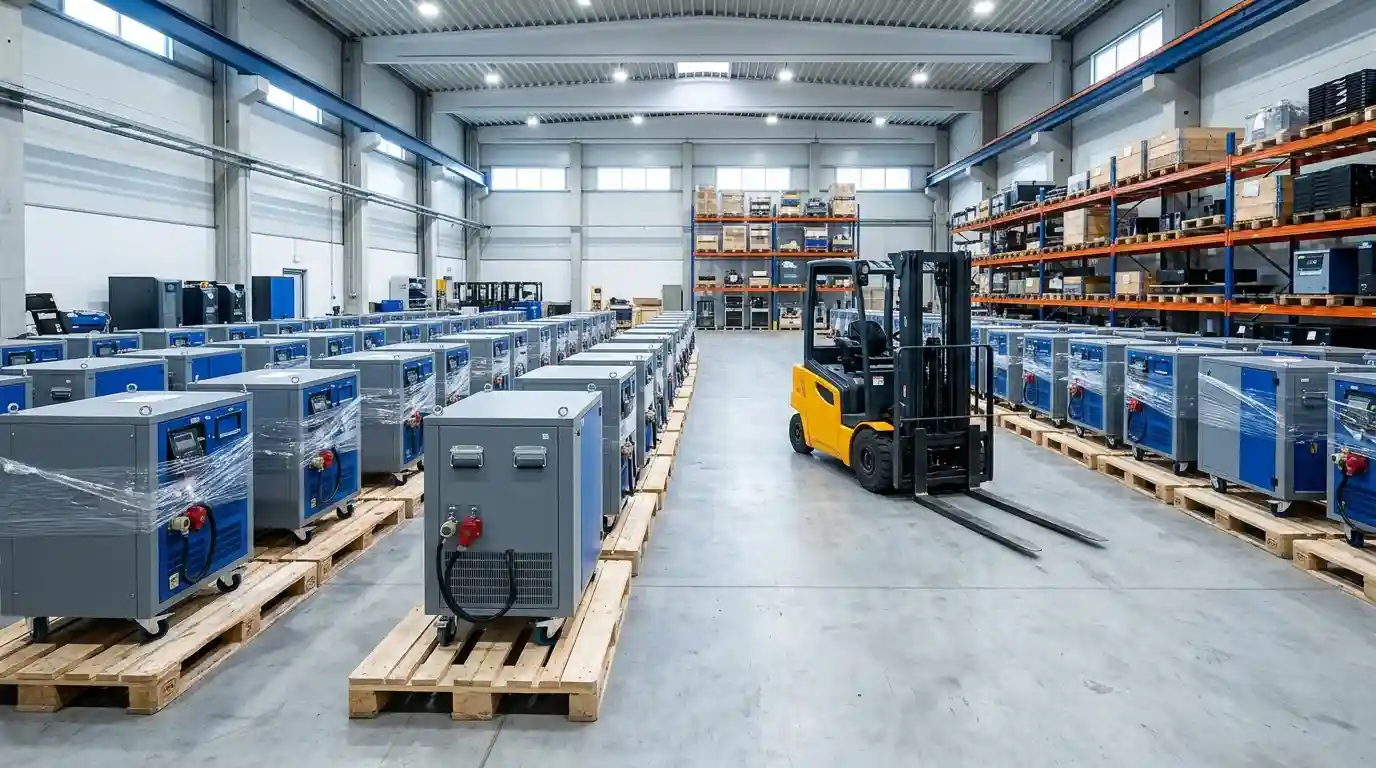
End-to-End Services Offered by a Professional UPS System Supplier is Flexible UPS Rental Solutions
Temporary UPS rental programs provide short-term backup power during facility upgrades, seasonal workload spikes, or emergency replacements. Rental fleets offer pre-configured, trailer-mounted or standalone units ready for rapid site deployment.
This flexible service model eliminates major capital expenditure for short-term operational scenarios or specialized project requirements. Enterprises maintain uninterrupted power coverage without committing to permanent hardware purchases.
Read Also: Backup UPS Systems: Ultimate Protection for Electronics
The Hidden Risks of Partnering with an Unqualified UPS Supplier
Low-cost suppliers often cut corners on technical support, certified component quality, and long-term service commitments. Understanding these inherent risks highlights the value of selecting a certified, full-service power protection partner.
1. Extended Operational Downtime and Loss of Revenue
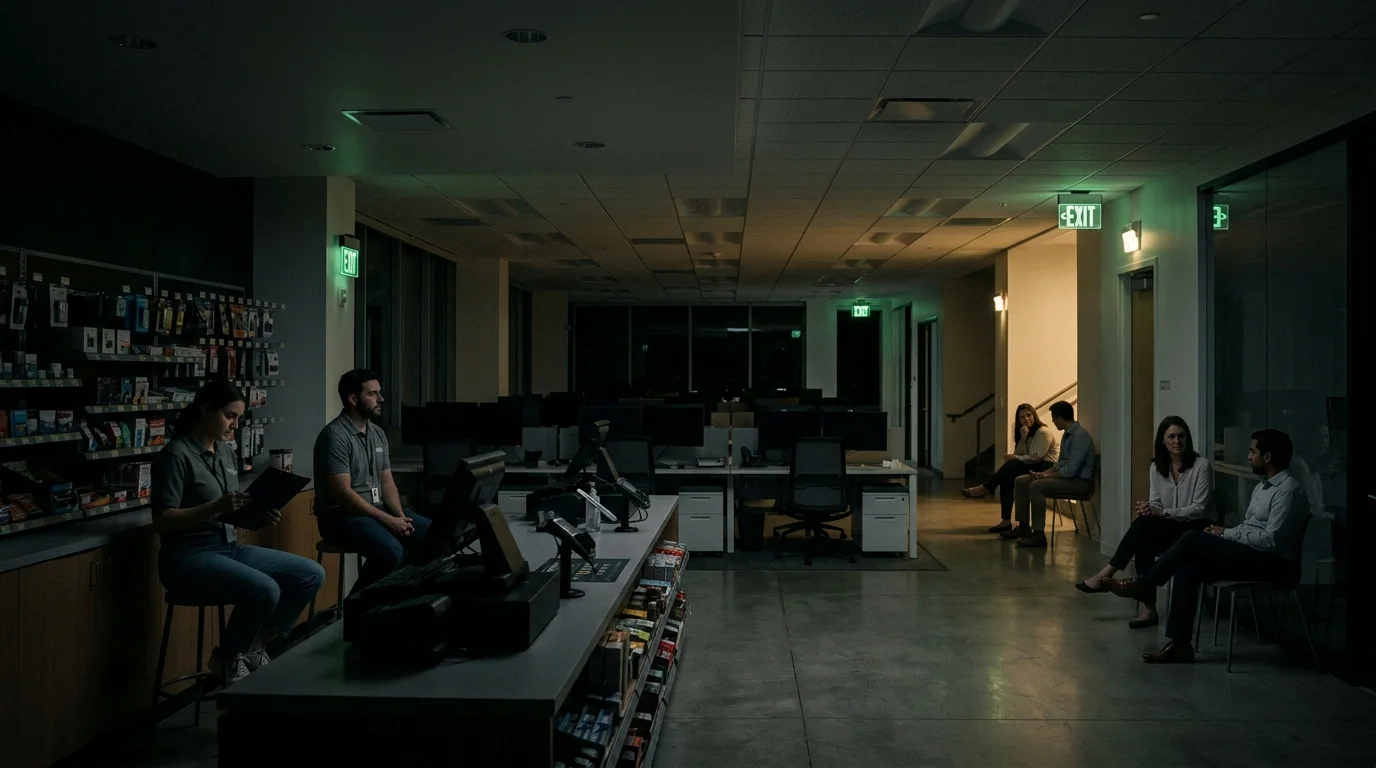
The Hidden Risks of Partnering with an Unqualified UPS Supplier: Extended Operational Downtime and Loss of Revenue
Unqualified suppliers typically lack localized spare parts inventory and dedicated, factory-certified service technicians. Slow response times during critical failures lead to extended operational downtime, paralyzing business workflows and customer transactions.
Unplanned outages result in significant financial loss, missed operational deadlines, and permanent brand reputation damage. Fast vendor response capabilities are essential for safeguarding your company’s financial stability.
Read Also: Understanding Power Conditioners and UPS: Which Do You Need?
2. Severe Hardware Damage from Unfiltered Power Surges
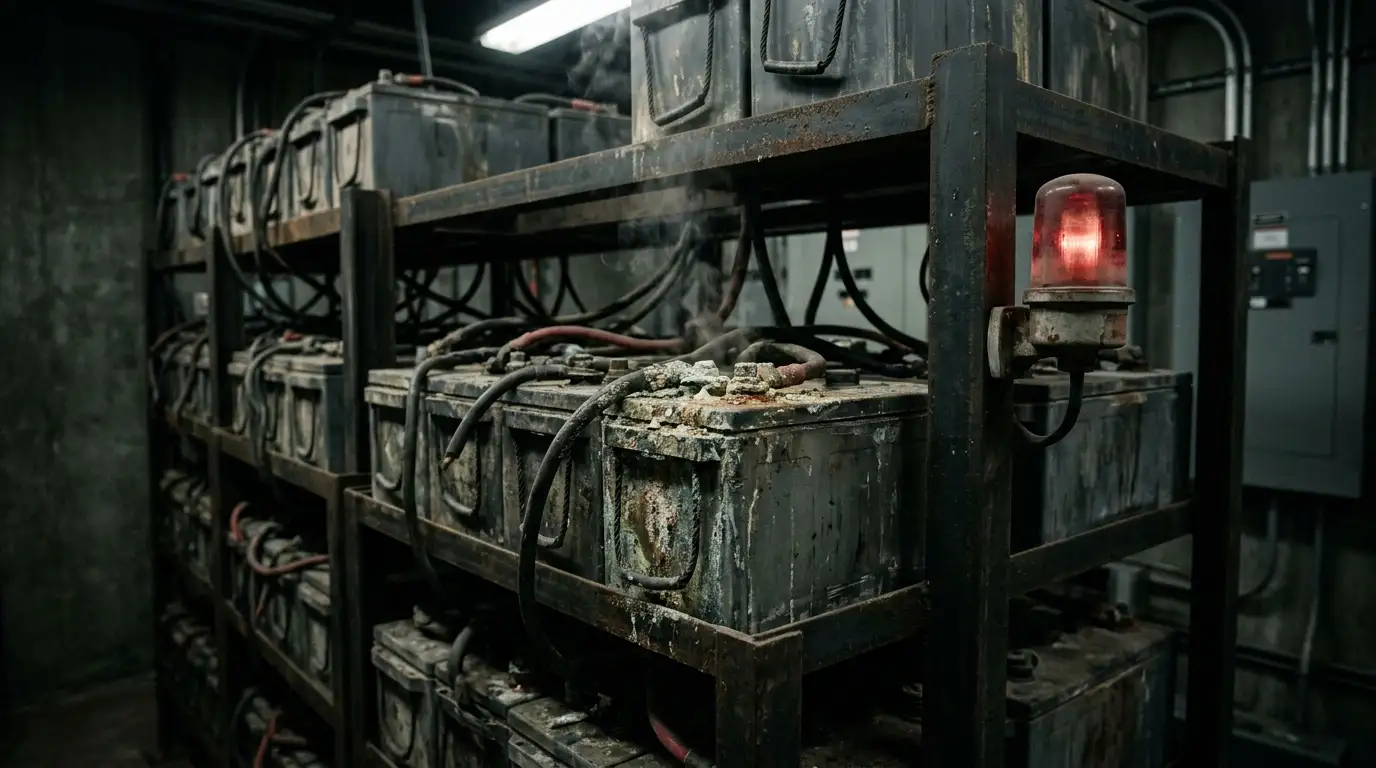
The Hidden Risks of Partnering with an Unqualified UPS Supplier: Severe Hardware Damage from Unfiltered Power Surges
Substandard backup power systems often feature inferior isolation circuitry that fails to suppress destructive voltage spikes. Unfiltered electrical transients pass directly through to connected enterprise networks, storage arrays, and sensitive control systems.
These electrical surges permanently damage delicate microchips, causing immediate hardware failure and critical digital data loss. Investing in quality power protection protects multi-million dollar technology assets from premature degradation.
Read Also: Power Line Conditioner: Is One Really Necessary for Gear?
3. Premature Battery Degradation and Inefficient Charging
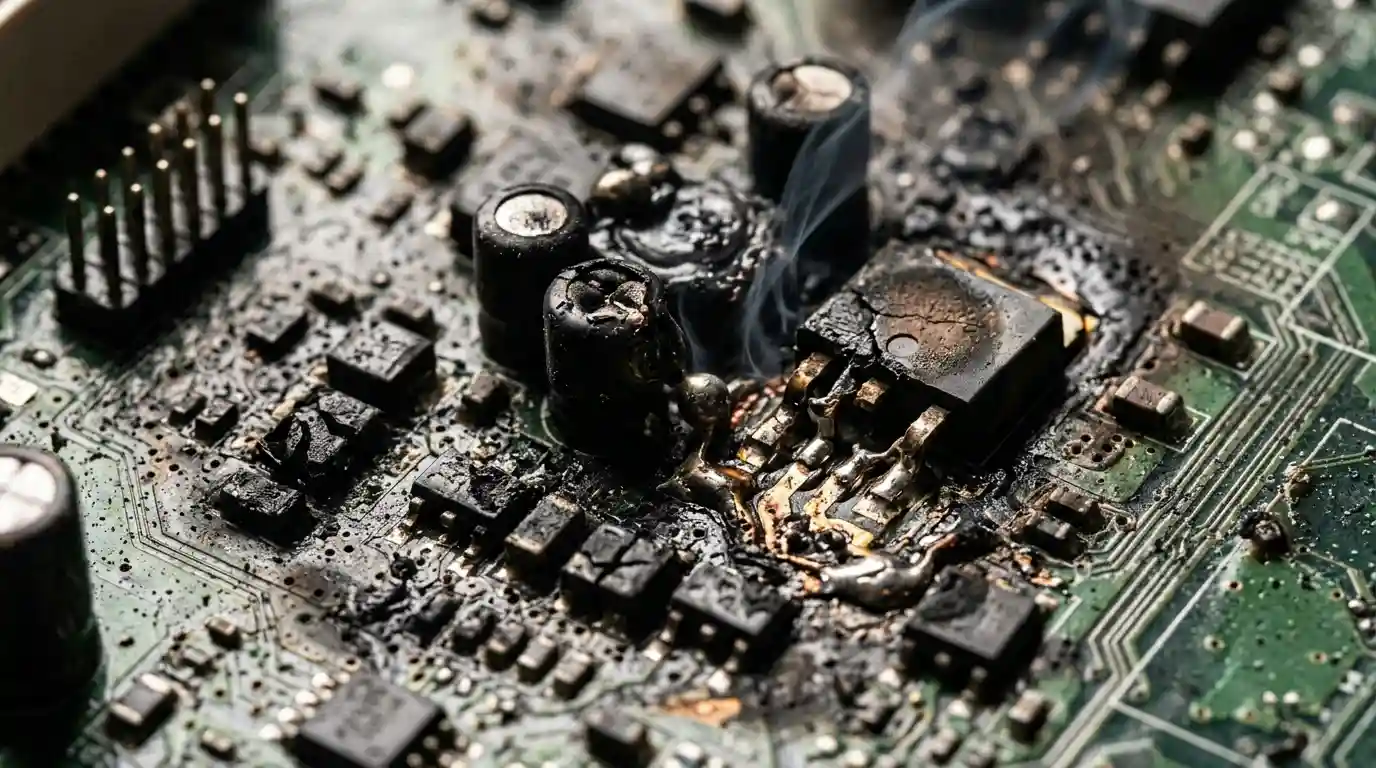
The Hidden Risks of Partnering with an Unqualified UPS Supplier: Premature Battery Degradation and Inefficient Charging
Low-grade power equipment relies on primitive charging circuits that lack temperature compensation and precise voltage control. Poor internal battery management systems cause severe cell overcharging, rapid thermal degradation, and premature battery failure.
Unmonitored battery degradation leads to sudden capacity drops during actual utility power outages, causing system collapses. Working with reputable suppliers ensures your energy storage systems maintain reliable backup runtimes.
References:
- Rahmat, M. K., & Jovanovic, S. (2015). Reliability and availability estimation of DC Uninterruptible Power Supply systems using Monte-Carlo simulation. 2015 IEEE 13th International Conference on Industrial Informatics (INDIN), 76–81. https://doi.org/10.1109/INDIN.2015.7281713.
- Rahmat, M. K., Zaki Abdul Karim, A., & Salleh, M. N. (2018). Uninterruptible Power Supply system configurations: Reliability & cost-benefit analysis. 2018 IEEE 7th International Conference on Power and Energy (PECon), 252–256. https://doi.org/10.1109/PECON.2018.8684147.