

In today’s digital era, stable electrical power is vital for keeping businesses operational. A sudden blackout can disrupt your workflow and cause severe damage to valuable electronic devices.
An uninterruptible power supply acts as a crucial defensive shield against these unpredictable electrical hazards. It bridges the gap between power failure and backup generation, ensuring your operations remain completely seamless.
What is an Uninterruptible Power Supply (UPS)?

Server racks in a data center with network cables and equipment showcasing technology infrastructure.
An uninterruptible power supply is a dedicated hardware device designed to provide immediate emergency backup power. It protects sensitive electronic equipment, including computers and enterprise servers, from unexpected power disturbances.
This system reacts instantly to electricity drops by switching to internal battery power. This crucial window gives users ample time to save critical data and execute a safe shutdown sequence.
Read Also: The Best Power Distribution Solution for Your Needs
The Primary Functions of a UPS

Uninterruptible Power Supply
A reliable backup power system does far more than just keep your lights on during an emergency. It continuously regulates the quality of electrical power supplied to your equipment.
1. Emergency Backup Power
A primary function of this system is providing a continuous electrical supply when the main grid fails. It prevents sudden hardware shutdowns, giving you the time needed to safely bridge the power gap.
This temporary energy reservoir ensures that operational continuity is never broken during an unexpected blackout. Your active hardware remains operational, protecting internal components from the physical stress of sudden de-energization.
Read Also: Data Center UPS Systems: Functions and How They Work
2. Voltage Stabilization (AVR)
Electrical grids frequently suffer from unstable voltage levels that can slowly degrade internal circuitry. A quality system utilizes an automatic voltage regulator to continuously stabilize these fluctuating currents.
This mechanism actively smooths out dangerous voltage sags and sudden high-energy surges. By maintaining a steady voltage flow, it extends the overall lifespan of your sensitive connected devices.
3. Critical Data Protection
A sudden loss of electricity is a leading cause of severe hard disk corruption. Without a steady power source, open databases and system files can become permanently unreadable.
The backup system provides a vital safety buffer, allowing you to save your progress. This effectively prevents catastrophic data loss before the system powers down completely.
3 Main Types of UPS Architecture
Uninterruptible Power Supply
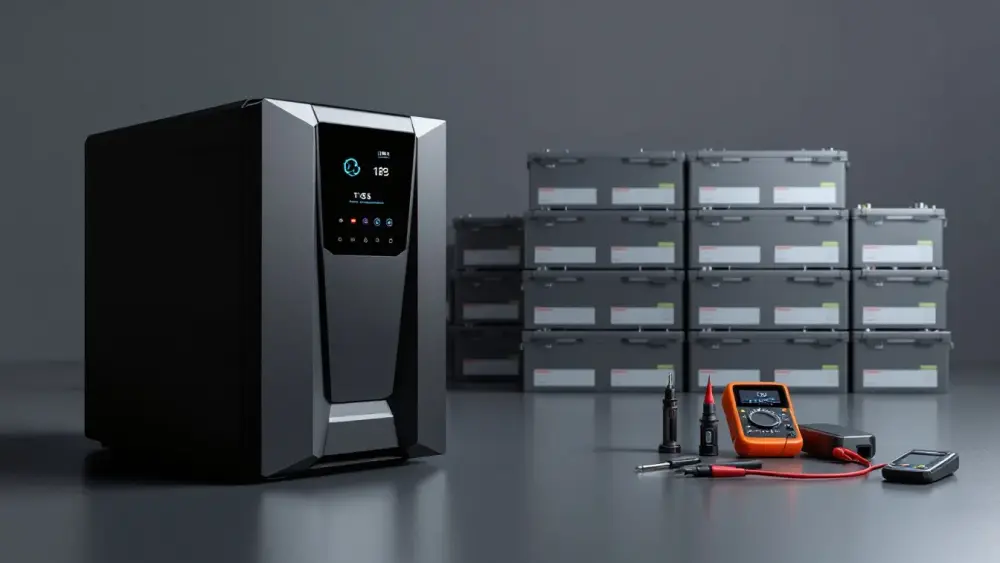
Understanding the different engineering designs helps you choose the right protection level for your specific environment.
1. Standby (Offline) UPS
This is the most basic architecture available, designed primarily for entry-level protection. It monitors the main line and switches to battery power within milliseconds during an outage.
It is highly cost-effective and perfectly suited for standard household devices. It also provides excellent localized protection for individual office desktop computers.
Read Also: What is a 3 Phase UPS? Working Principles & Benefits
2. Line-Interactive UPS
This mid-tier design features an integrated AVR to handle minor voltage fluctuations without draining the battery. It is highly efficient and preserves battery life for actual blackout emergencies.
This architecture is ideal for geographical areas experiencing frequent, minor voltage instability. It balances advanced power conditioning with an affordable price point for growing businesses.
3. Online (Double-Conversion) UPS
This premium architecture constantly converts incoming AC power into DC, and then back into pristine AC. This intricate process ensures a zero transfer time when transitioning to battery power.
It delivers the highest level of clean, isolated power to connected infrastructure. This makes it the standard choice for data centers and critical medical equipment.
Core Components of a UPS System
Uninterruptible Power Supply
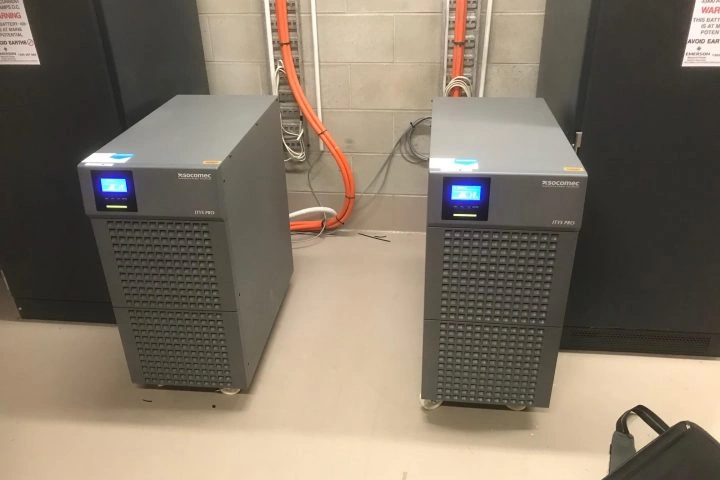
Each internal component plays a distinct role in converting, storing, and delivering clean electrical energy.
1. Rectifier
The rectifier is the entry point for incoming alternating current from your main power grid. Its primary job is to efficiently convert this AC power into direct current.
This newly created DC power serves two critical purposes simultaneously. It feeds electricity directly into the storage system and keeps the internal batteries perfectly charged.
Read Also: Rack Mount UPS: Types, Functions, and Tips for Choosing
2. UPS Battery
The UPS battery serves as the fundamental energy heart of the entire emergency backup apparatus. It stores chemical energy, ready to be converted into electricity at a moment’s notice.
The runtime of your backup system depends directly on the capacity of this component. Regular health monitoring of this cell is vital to ensure peak performance during an outage.
3. Inverter
The inverter handles the final stage of power delivery before it reaches your equipment. It takes the stored DC power from the batteries and converts it back to AC power.
This ensures the output matches the exact electrical requirements of standard consumer electronics. It delivers a smooth wave of energy, protecting sensitive internal circuits from damage.
4. Static Bypass Switch
The static bypass switch acts as a vital safety net within the internal electrical circuitry. If an internal component fails, this switch automatically creates an alternative power pathway.
It safely reroutes electricity directly from the main utility line to your hardware. This ensures your connected electronics stay powered on even during a internal system breakdown.
5. Monitoring and Management System
Modern power systems rely heavily on smart monitoring software to track overall system health. This application constantly measures total battery capacity and real-time power consumption metrics.
If battery levels drop dangerously low, the system triggers an automated shutdown. This saves your work and powers down your computer without requiring human intervention.
Common Power Problems Solved by a UPS
- Blackout: Complete utility power loss caused by grid failures, severe storms, or accidents.
- Brownout: A temporary, significant drop in electrical voltage that causes electronics to malfunction.
- Power Surge & Spike: High-voltage increases often triggered by lightning strikes, risking immediate hardware destruction.
- Line Noise: Electromagnetic interference and frequency irregularities that negatively affect the performance of sensitive audio, video, and data systems.
Real-World Applications and Use Cases of UPS
Uninterruptible Power Supply
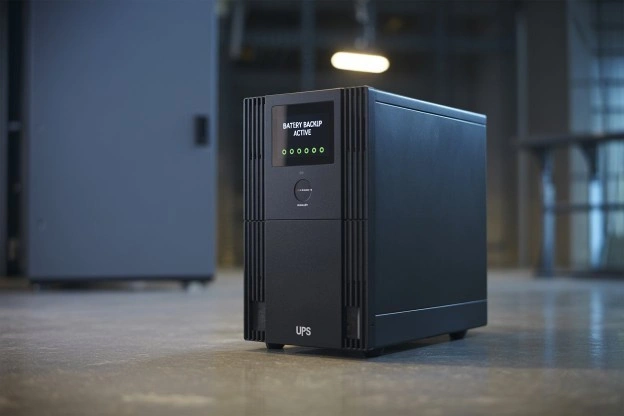
Modern backup systems are deployed across various industries to protect critical infrastructure.
1. Networking Equipment
Maintaining continuous internet connectivity is absolutely essential for modern business operations. A compact backup system keeps essential modems and routers running during localized power cuts.
This prevents sudden dropped connections and keeps your local communication lines completely open. It ensures that cloud data transfers are completed without interrupting your remote workforce.
Read Also: Static Transfer Switch: Components, How It Works & Benefits
2. Security Systems
Physical security installations require constant power to keep your property safe around the clock. If an intruder cuts the main power lines, a backup system ensures CCTV cameras keep recording.
It also keeps electronic door locks and alarm control panels fully operational. This eliminates dangerous security blind spots during a coordinated property breach.
3. Data Centers and Enterprise Servers
Enterprise data facilities cannot tolerate even a single second of unexpected system downtime. A failure here can lead to massive database corruption and severe financial losses.
Large-scale power systems provide the necessary bridge to heavy-duty emergency diesel generators. This ensures that global digital services remain online and stable 24/7.
4. Medical and Industrial Equipment
In healthcare facilities, steady electrical power is directly tied to patient survival. A medical-grade backup unit ensures that life-saving ventilators and monitors never lose power.
Similarly, it protects automated industrial assembly lines from costly manufacturing errors. It preserves calibration settings and prevents expensive raw materials from being ruined.
International UPS Safety Standards and Technical Guidelines
To guarantee maximum reliability, manufacturers must strictly adhere to international engineering compliance frameworks. The IEC 62040 standard defines the performance, safety, and testing benchmarks for modern power systems worldwide.