
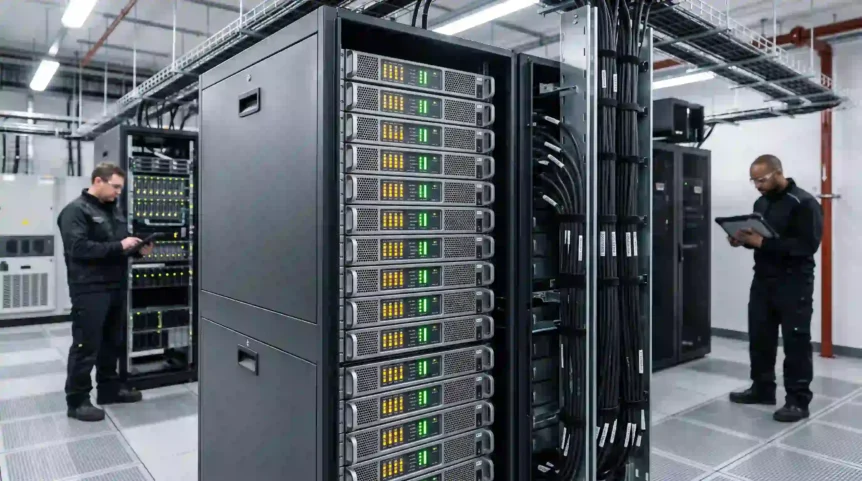
A backup UPS system provides reliable power protection for critical devices by supplying backup energy during outages and electrical disruptions. This solution helps maintain operational continuity while reducing risks caused by unstable power conditions.
Businesses rely on advanced power management solutions to protect sensitive equipment, prevent data loss, and ensure technology infrastructure continues running efficiently. Proper implementation improves system reliability and supports uninterrupted daily operations.
Why Your Setup Needs a Backup UPS System

Why Your Setup Needs a Backup UPS System
In professional and personal environments, power protection systems help maintain productivity, protect valuable equipment, and support business continuity. Implementing the right uninterruptible power supply (UPS) ensures devices receive stable energy during outages, voltage fluctuations, and electrical disturbances.
1. Data Protection: Preventing Corrupted OS and Unsaved Work
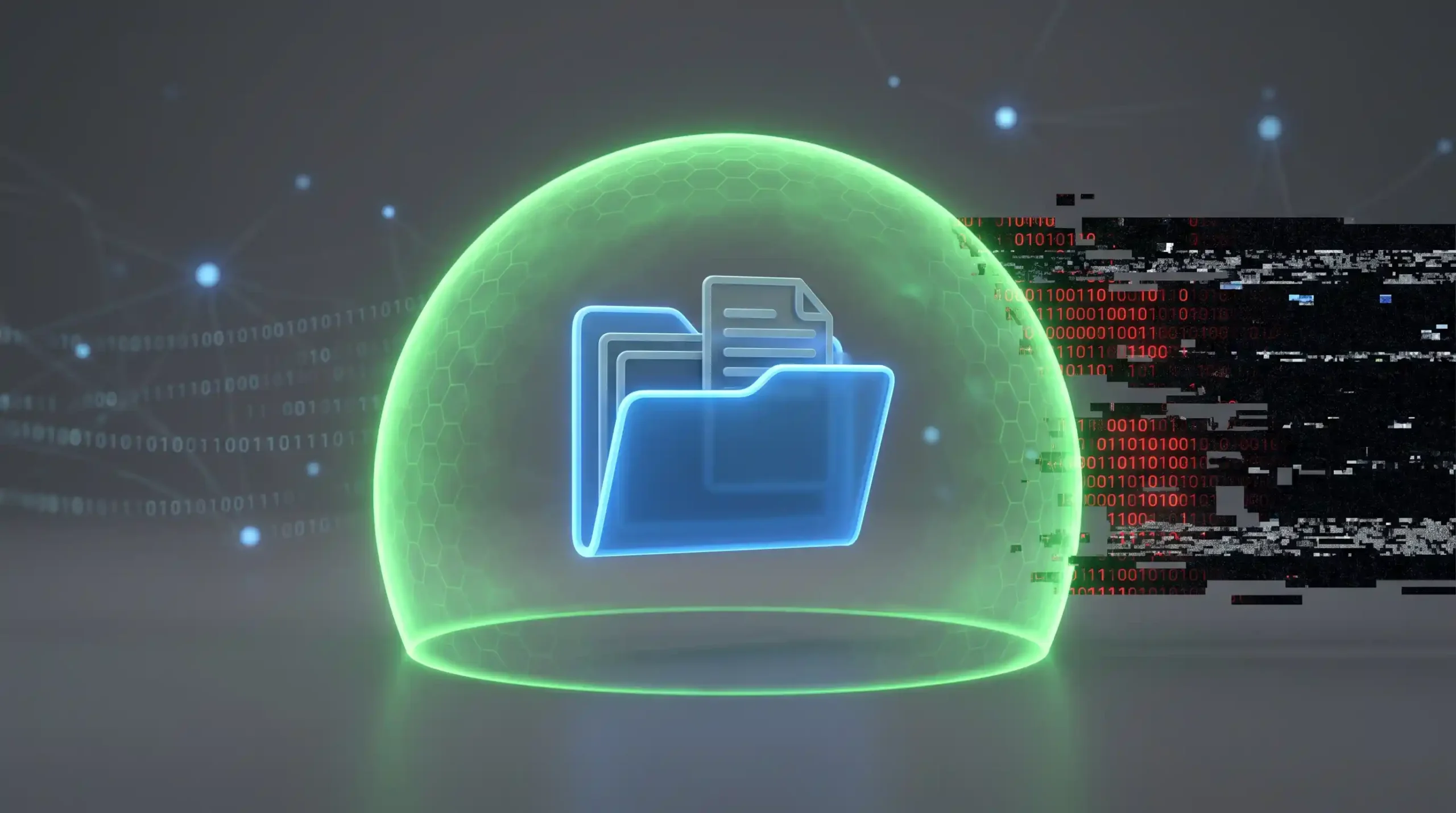
Backup UPS System for Data Protection Preventing Corrupted OS and Unsaved Work
Protecting digital information is a major reason why many users implement advanced UPS backup solutions. Sudden power failures can interrupt ongoing processes, causing operating system corruption, lost documents, and damaged files stored on computers.
A UPS provides essential runtime that allows users to save important work and perform controlled shutdowns. This reduces the possibility of data integrity issues, file system errors, and unexpected failures affecting critical digital assets.
Read Also: Modern Data Center Design: Architecture & Power Guide
2. Hardware Longevity: How Voltage Sags Damage Sensitive Electronics
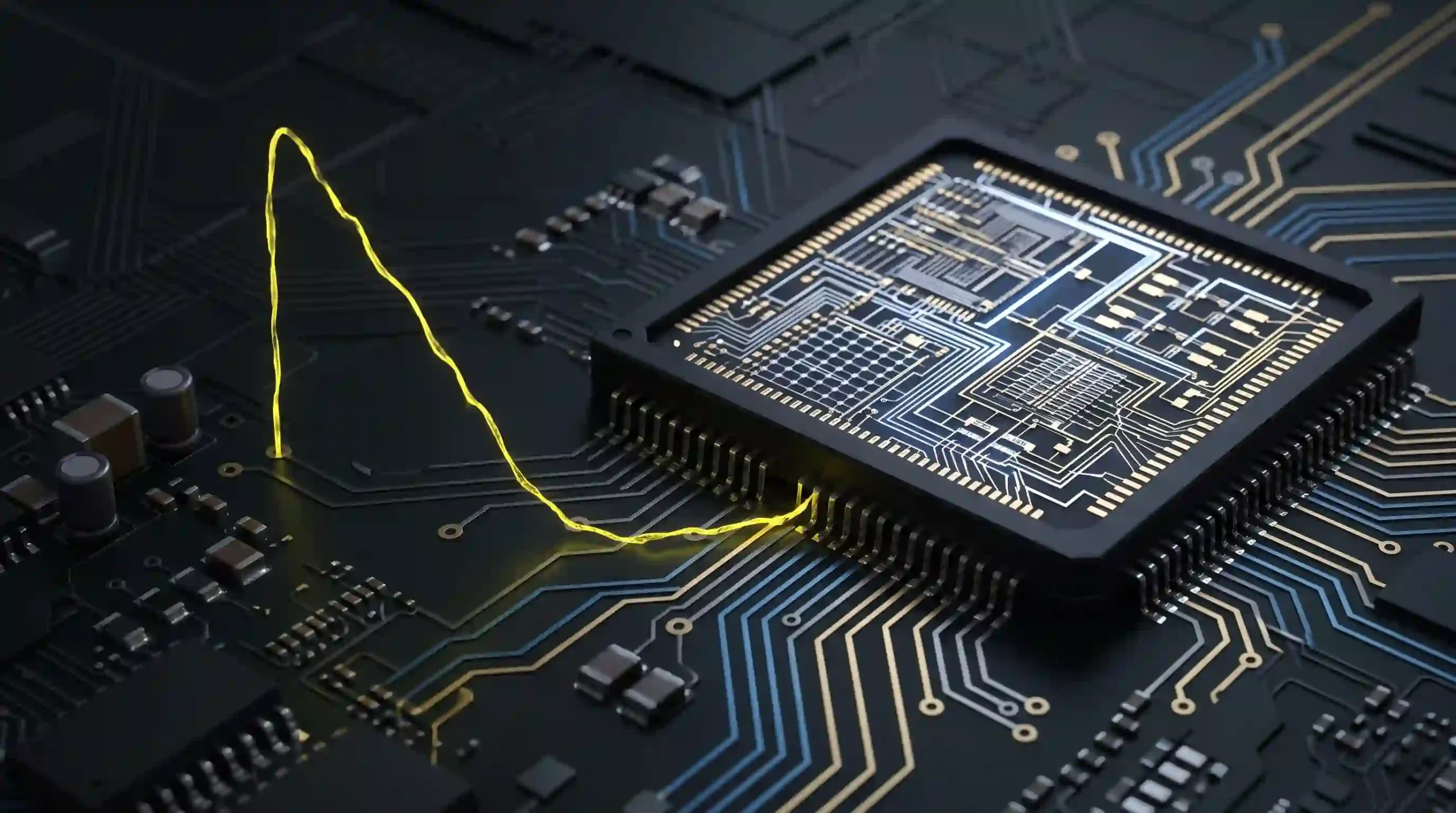
Backup UPS System for Hardware Longevity How Voltage Sags Damage Sensitive Electronics
Maintaining hardware durability requires protection against various electrical problems, including voltage sags and brownout conditions. These issues can negatively impact sensitive components even though they are often overlooked compared to sudden power surges.
Continuous exposure to unstable voltage can increase electrical stress, generate excess heat, and shorten device lifespan. Using automatic voltage regulation (AVR) technology helps maintain consistent power delivery for computers, servers, and networking equipment.
Read Also: Double Conversion UPS: Guide to Online Power Backup
3. Safe Shutdown: Providing the Crucial 5–15 Minute Window

Backup UPS System for Safe Shutdown Providing the Crucial 5–15 Minute Window
A reliable battery backup system provides valuable time for users to save files and safely shut down equipment during unexpected power interruptions. This temporary energy supply prevents abrupt shutdowns that may damage hardware or software.
Most UPS devices offer approximately 5 – 15 minutes of runtime depending on load capacity and battery condition. Through shutdown management software and power monitoring features, users can maintain operational stability and reduce recovery problems.
Read Also: Industrial Uninterruptible Power Supply: Reliable Power
The 3 Main Types of UPS Systems (Which One Is Right for You?)
Choosing the right UPS system type depends on the equipment requirements, power sensitivity, and expected protection level. Each category offers different capabilities, from basic backup power to advanced power conditioning technology for critical infrastructure.
1. Standby UPS: Best for Basic Electronics

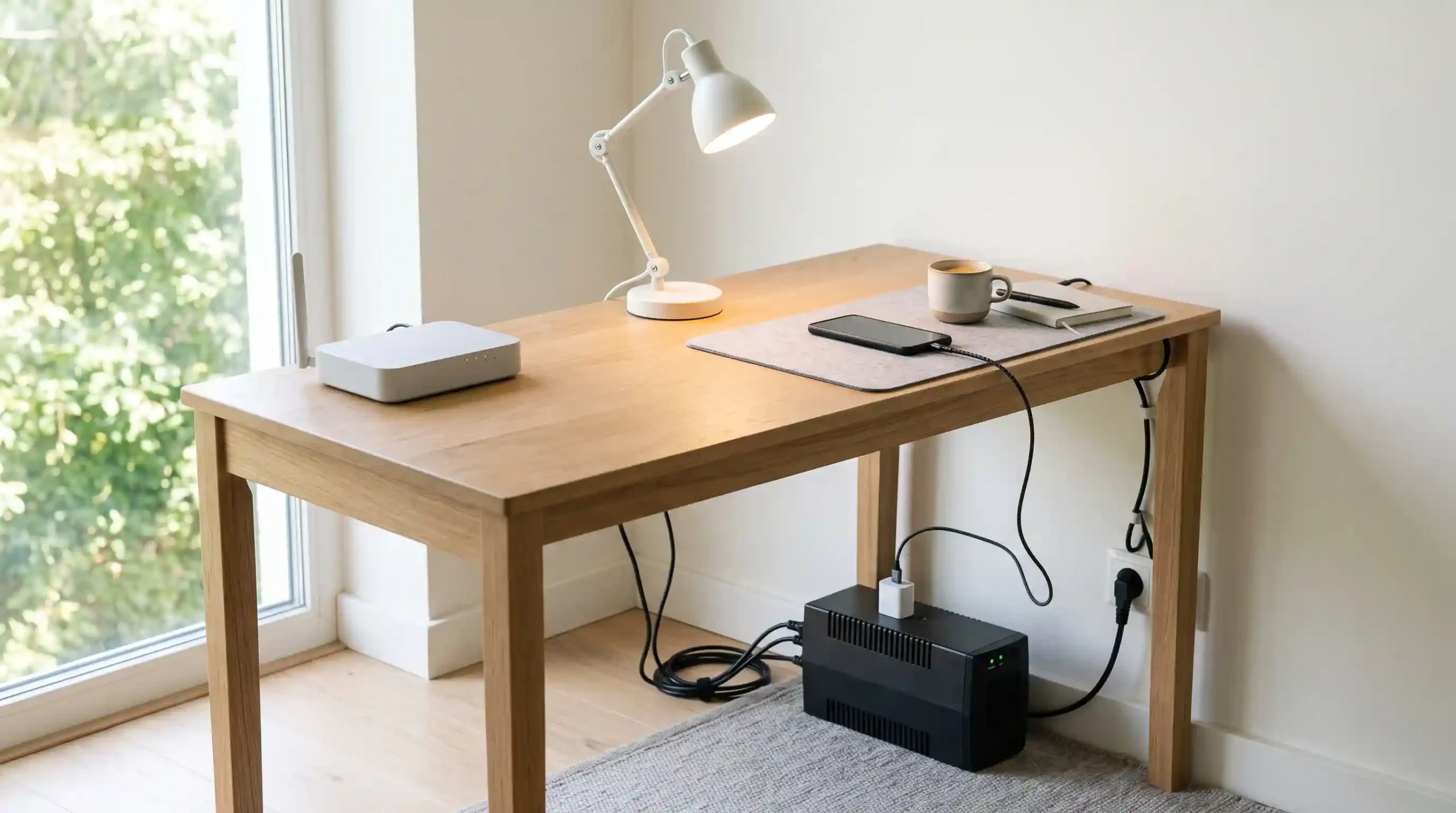
The 3 Main Types of UPS Systems is Standby UPS
A standby UPS system is designed for users who need simple protection for everyday electronics. This entry-level solution provides backup power during outages and is commonly used for routers, modems, and basic home office equipment.
When a power failure occurs, the offline UPS technology switches connected devices to battery power within milliseconds. This makes it suitable for less sensitive electronics that do not require advanced voltage regulation capabilities or continuous power filtering.
Read Also: Interactive UPS Guide: Complete Power Protection
2. Line-Interactive UPS: The Sweet Spot for Gaming PCs and Home Theaters
The 3 Main Types of UPS Systems is Line-Interactive UPS
A line-interactive UPS system provides enhanced protection by combining battery backup with automatic voltage regulation (AVR) technology. This feature adjusts unstable voltage levels without immediately switching to battery mode.
This UPS category is ideal for gaming computers, home theaters, and professional workstations requiring better power quality management. The integrated voltage stabilization system helps protect expensive components from brownouts, fluctuations, and minor electrical disturbances.
Read Also: UPS Generator Systems: Complete Power Protection Guide
3. Online / Double-Conversion UPS: Best for High-End Equipment
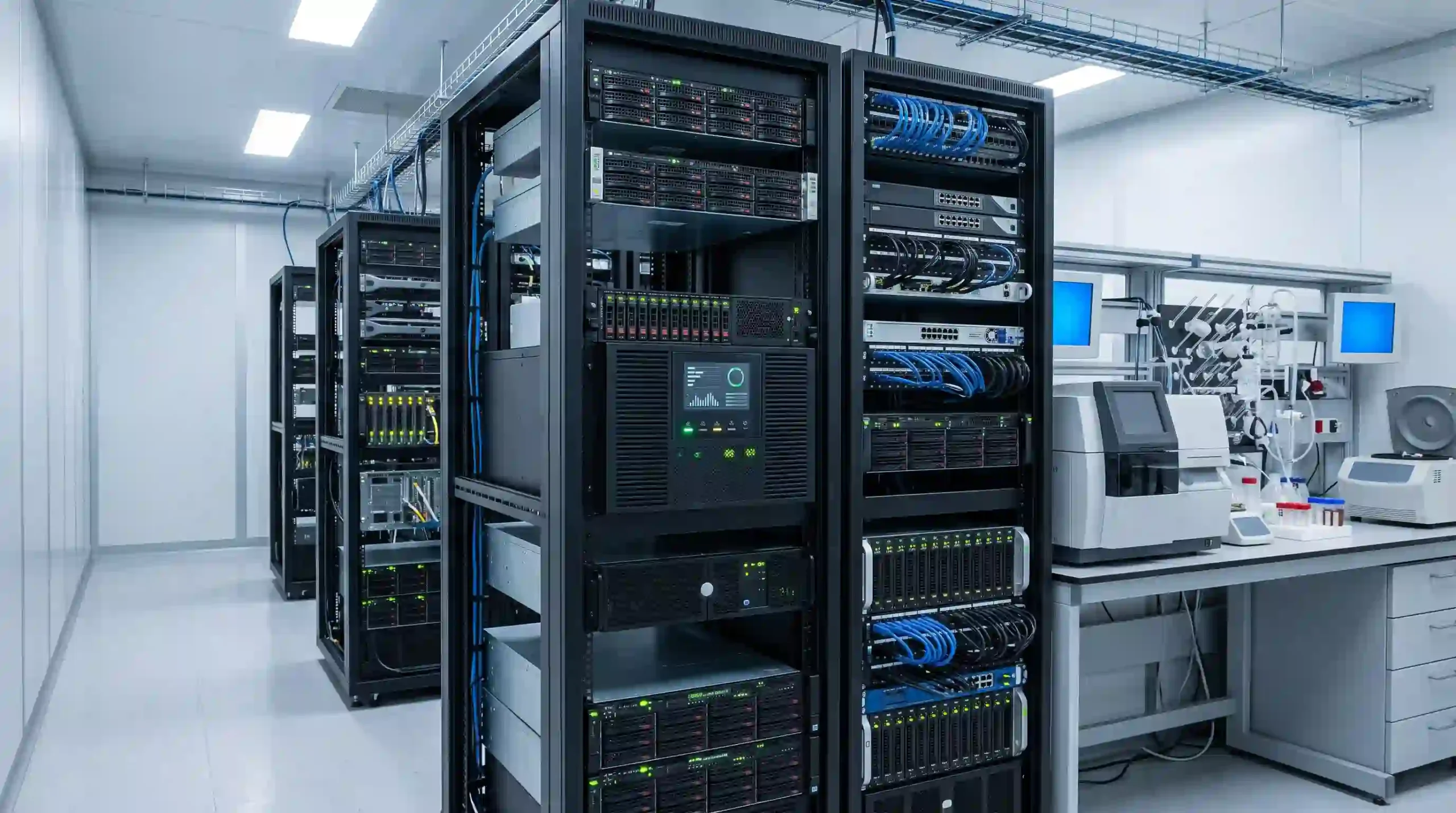
The 3 Main Types of UPS Systems Online or Double-Conversion UPS
An online double-conversion UPS delivers the highest level of electrical protection by continuously converting incoming power through advanced circuitry. This design provides clean, consistent energy regardless of external power conditions.
This solution is commonly deployed for servers, medical equipment, and enterprise networking infrastructure requiring maximum uptime. Through zero transfer time technology and advanced power conditioning systems, online UPS units protect mission-critical devices from even the smallest electrical variations.
Read Also: Automatic Transfer Switch (ATS): Reliable Power Solutions
Pure Sine Wave vs. Simulated Sine Wave: Why It Matters for US Buyers
Selecting the correct UPS waveform technology is essential for protecting modern electronics that require stable and clean electricity. The difference between pure sine wave and simulated sine wave output directly affects compatibility, performance, and long-term equipment reliability. Understanding AC waveform quality, power compatibility, and electrical signal stability helps US buyers choose the right UPS solution for sensitive electronic systems.
A. Active PFC Power Supplies in Modern Electronics
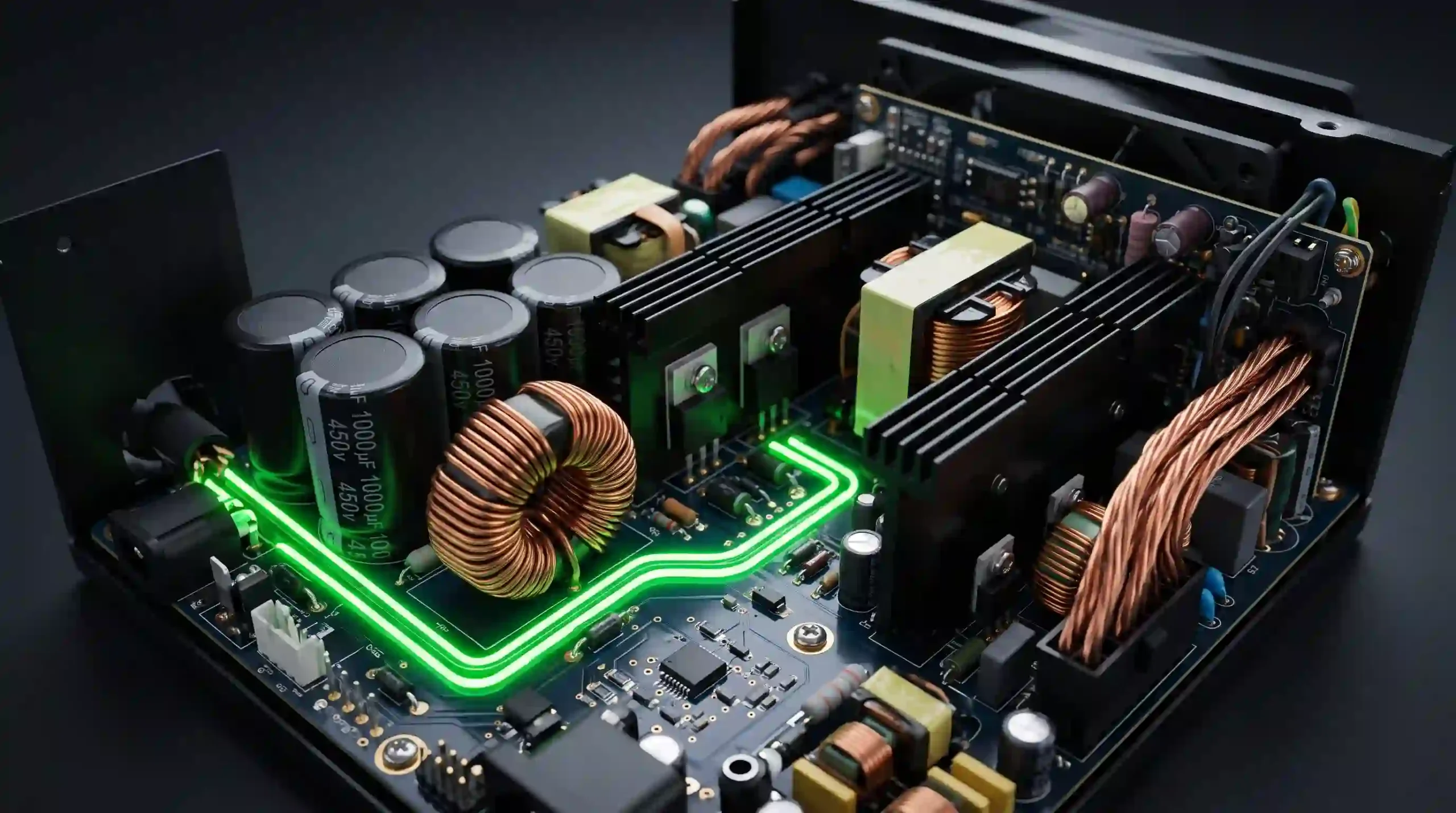
Pure Sine Wave vs. Simulated Sine Wave – Active PFC Power Supplies in Modern Electronics
Modern devices such as Apple computers, high-end gaming rigs, and PS5 or Xbox consoles often use active power factor correction (Active PFC) power supplies. This technology improves energy efficiency by optimizing electricity consumption and reducing power waste.
However, Active PFC power supplies require smoother electrical waveforms to function correctly. A pure sine wave UPS delivers electricity similar to utility power, ensuring better compatibility with advanced hardware, gaming systems, and professional computing equipment.
Read Also: Understanding Power Conditioners and UPS: Which Do You Need?
B. Risks of Using Simulated Sine Wave on Sensitive Equipment
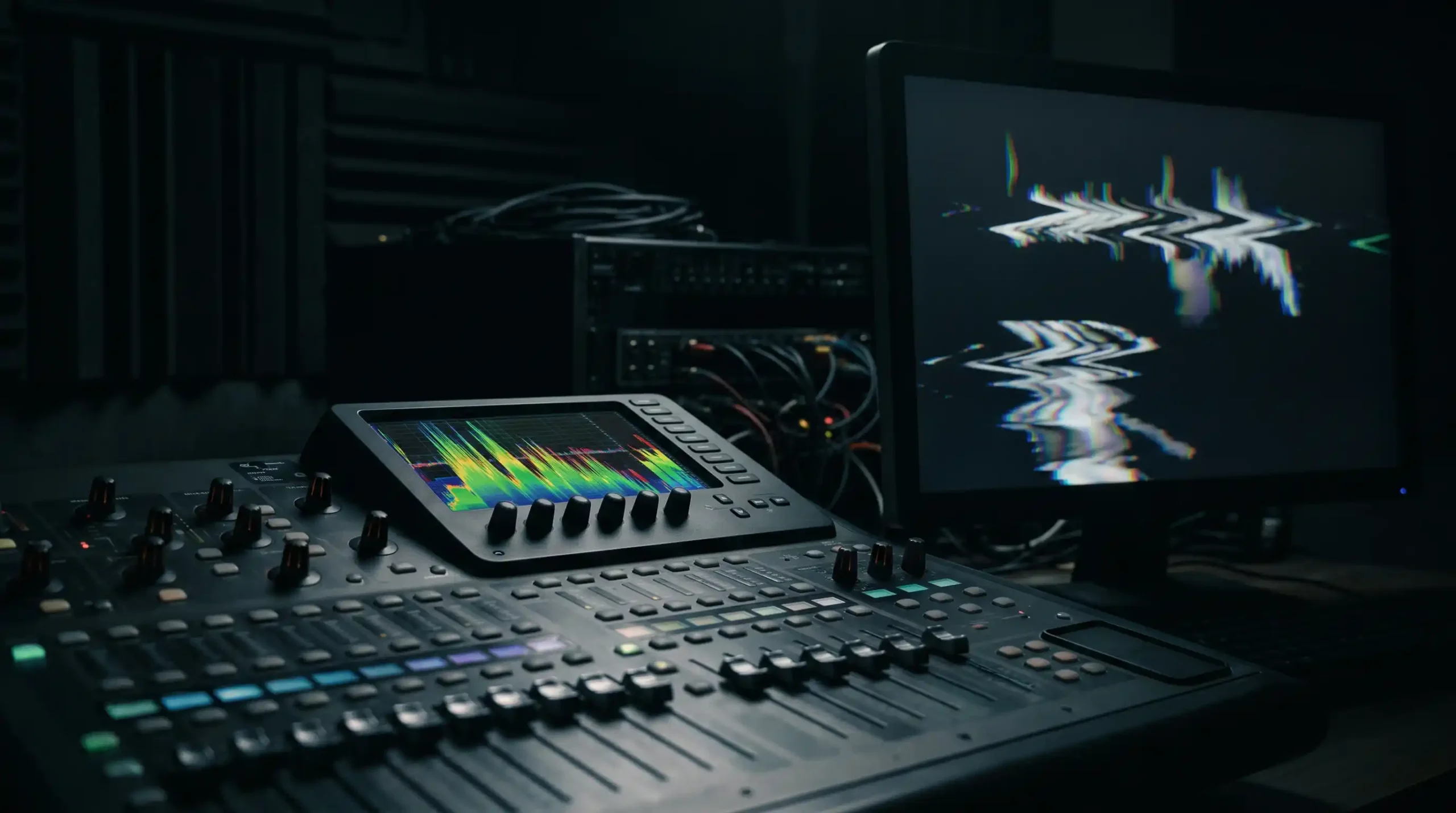
Pure Sine Wave vs. Simulated Sine Wave – Risks of Using Simulated Sine Wave on Sensitive Equipment
Using a simulated sine wave UPS with sensitive electronics may create compatibility issues due to irregular power output patterns. Devices with demanding power supplies can experience instability when receiving modified electrical waveforms.
Potential problems include system crashes, unexpected shutdowns, and unusual electrical humming noises from internal components. For sensitive equipment, selecting a pure sine wave backup system helps maintain reliable operation while preventing performance issues caused by waveform distortion.