
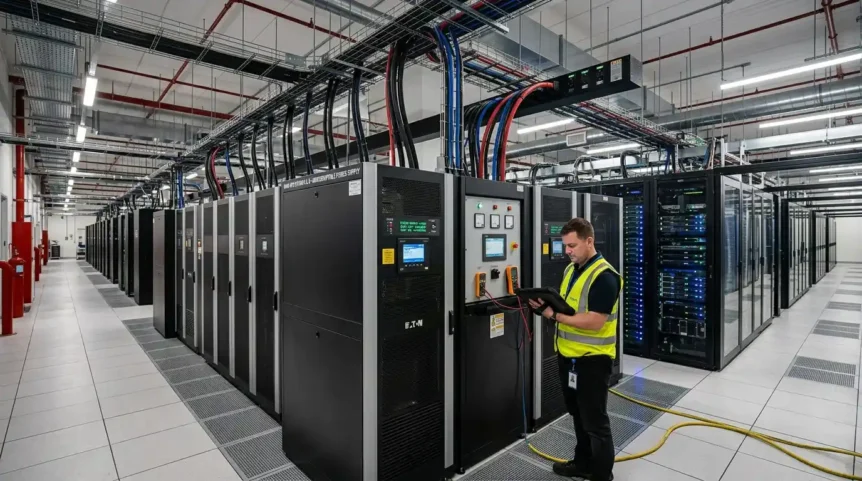
In today’s data-driven world, maintaining continuous operations requires a robust power infrastructure. Standard backup systems often fail to meet the extreme demands of enterprise environments.
A high-capacity 3 phase ups provides the ultimate solution for high-density environments. This system ensures seamless power continuity and protects critical corporate infrastructure from unexpected blackouts.
What is a 3 Phase UPS and How Does It Work?
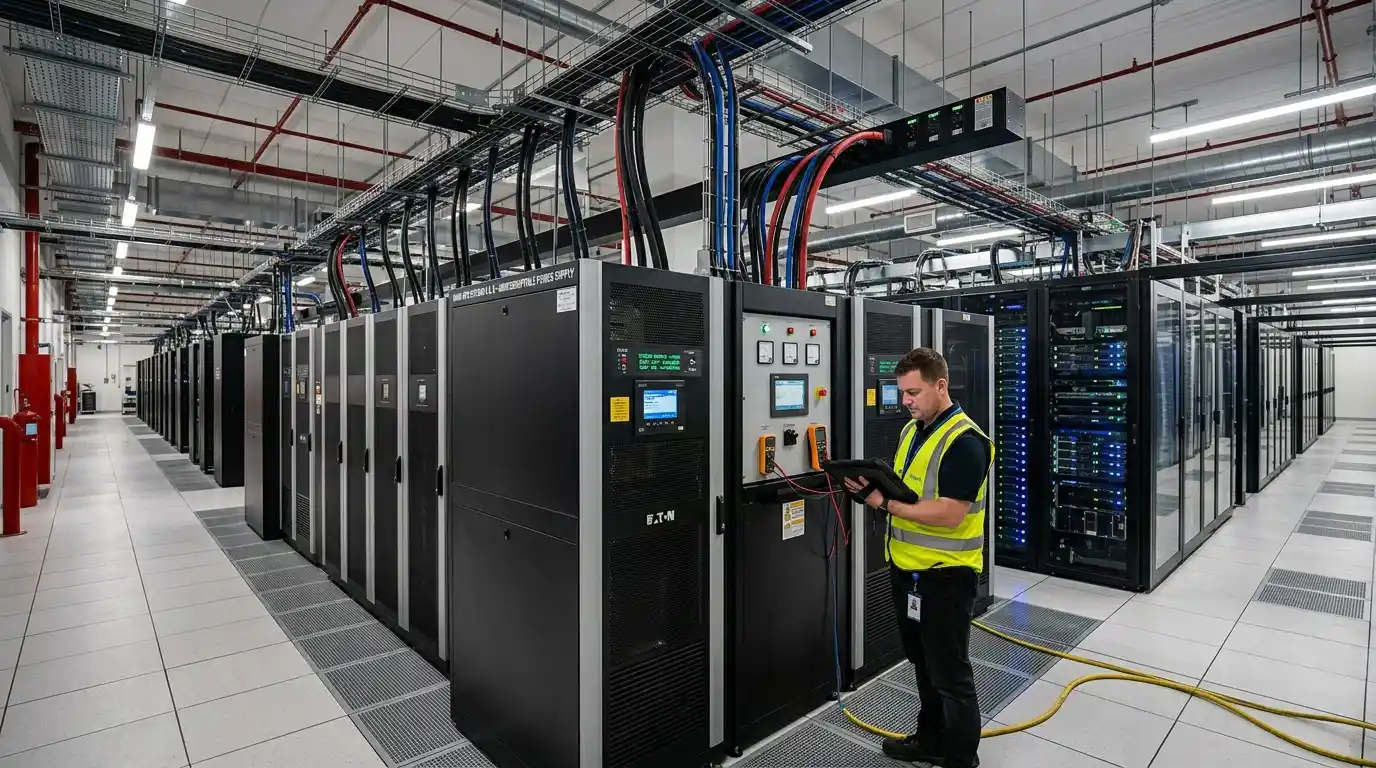
Technician in high-visibility vest inspects data center server racks, ensuring optimal performance and security systems.
Large-scale facilities demand a reliable uninterruptible power supply to prevent costly downtime. A 3 phase ups serves as a high-capacity backup system engineered specifically for heavy electrical loads.
This advanced hardware delivers constant, stable, and highly efficient energy. It utilizes three alternating current conductors to maintain peak operational performance across entire facilities.
The Working Principle of 3-Phase Power

The Working Principle of 3-Phase Power
This system supplies electrical energy through three distinct voltage conductors and a single neutral wire. Each conductor transmits an independent AC voltage wave to ensure a continuous power supply.
The three sine waves are perfectly offset by 120 degrees from one another. This unique configuration eliminates power drops, creating a perfectly smooth and stable electrical flow for machinery.
Read Also: Data Center Solutions: Guide to Scalable Infrastructure
Common 3 Phase UPS Configurations
Modern electrical architecture relies on specific setups to match varying equipment requirements. These systems are categorized by their grid power routing. Understanding these variations helps businesses optimize their power distribution strategy.
1. 3-Phase In / 1-Phase Out

Common 3 Phase UPS Configurations 3-Phase In or 1-Phase Out
This versatile system accepts a high-voltage 3-phase input ranging from 380V to 415V. It then outputs a standard 1-phase power of 220V to 240V for smaller, sensitive localized equipment.
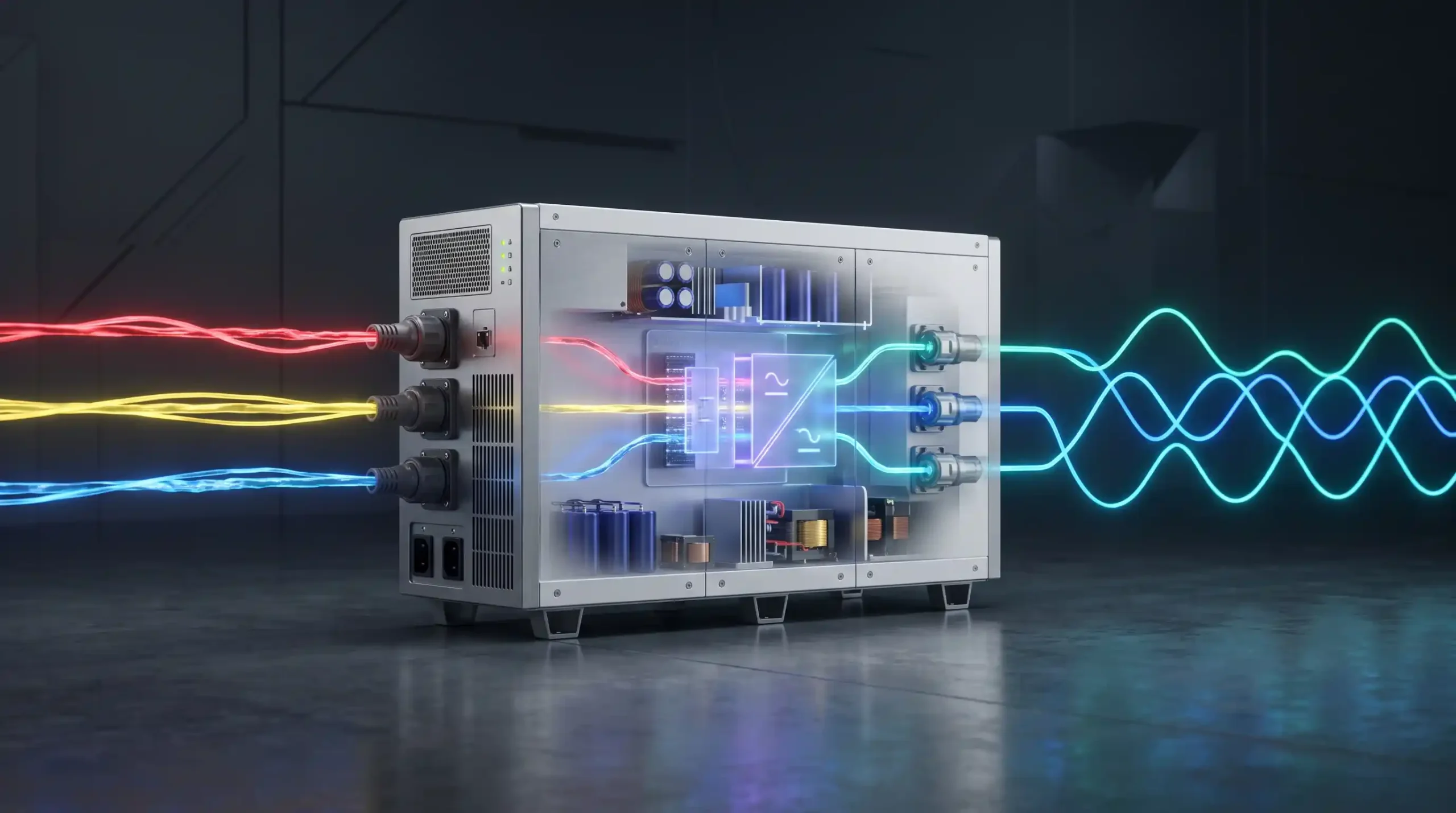
2. 3-Phase In / 3-Phase Out
Common 3 Phase UPS Configurations 3-Phase In or 3-Phase Out
This comprehensive setup maintains a complete 3-phase flow for both input and output lines. It is the ideal choice for driving massive industrial machinery and large data facilities.
Read Also: Double Conversion UPS: Guide to Online Power Backup
Key Components of a 3 Phase UPS System
A premium 3 phase ups relies on robust, industrial-grade electrical components to manage high voltage safely. Let us look closely at the primary hardware components that make this possible.
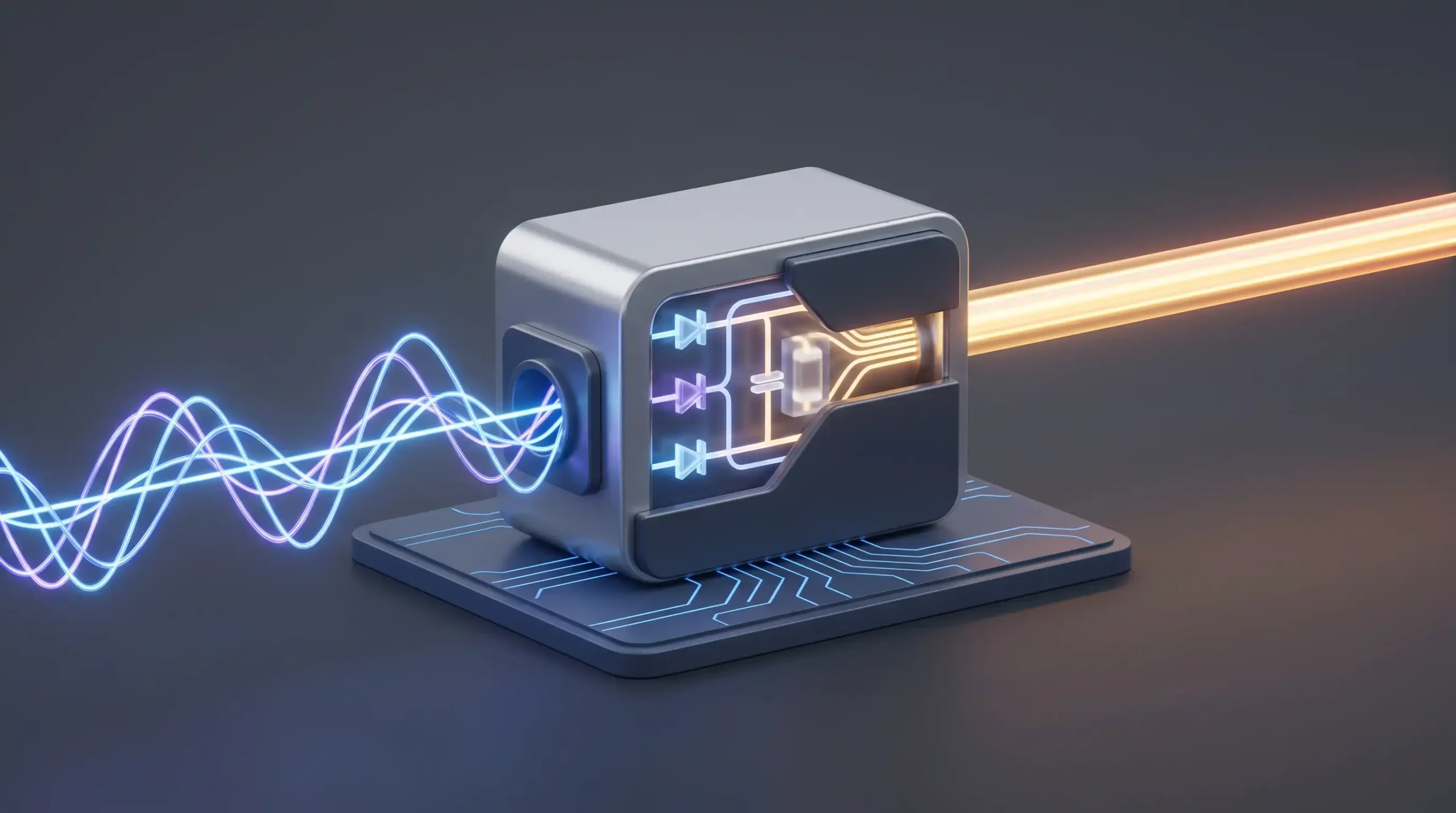
1. Rectifier
Key Components of a 3 Phase UPS System Rectifier
The rectifier serves as the first line of defense in the system architecture. Its primary job is converting incoming grid alternating current into direct current.
This clean DC power is then used to charge the internal backup systems. Simultaneously, it feeds the downstream components to keep the entire power conversion cycle running.
Read Also: Power Distribution Networks: Key Components & Architecture
2. Inverter

Key Components of a 3 Phase UPS System Inverter
The inverter acts as the final stage of the internal power purification process. It takes the direct current from the batteries or the primary input stage.
It carefully converts this energy back into clean, regulated AC power. This ensures that connected critical equipment receives a perfectly stable voltage free from harmonics.
Read Also: Line-Interactive UPS Guide: Complete Power Protection
3. Battery Bank
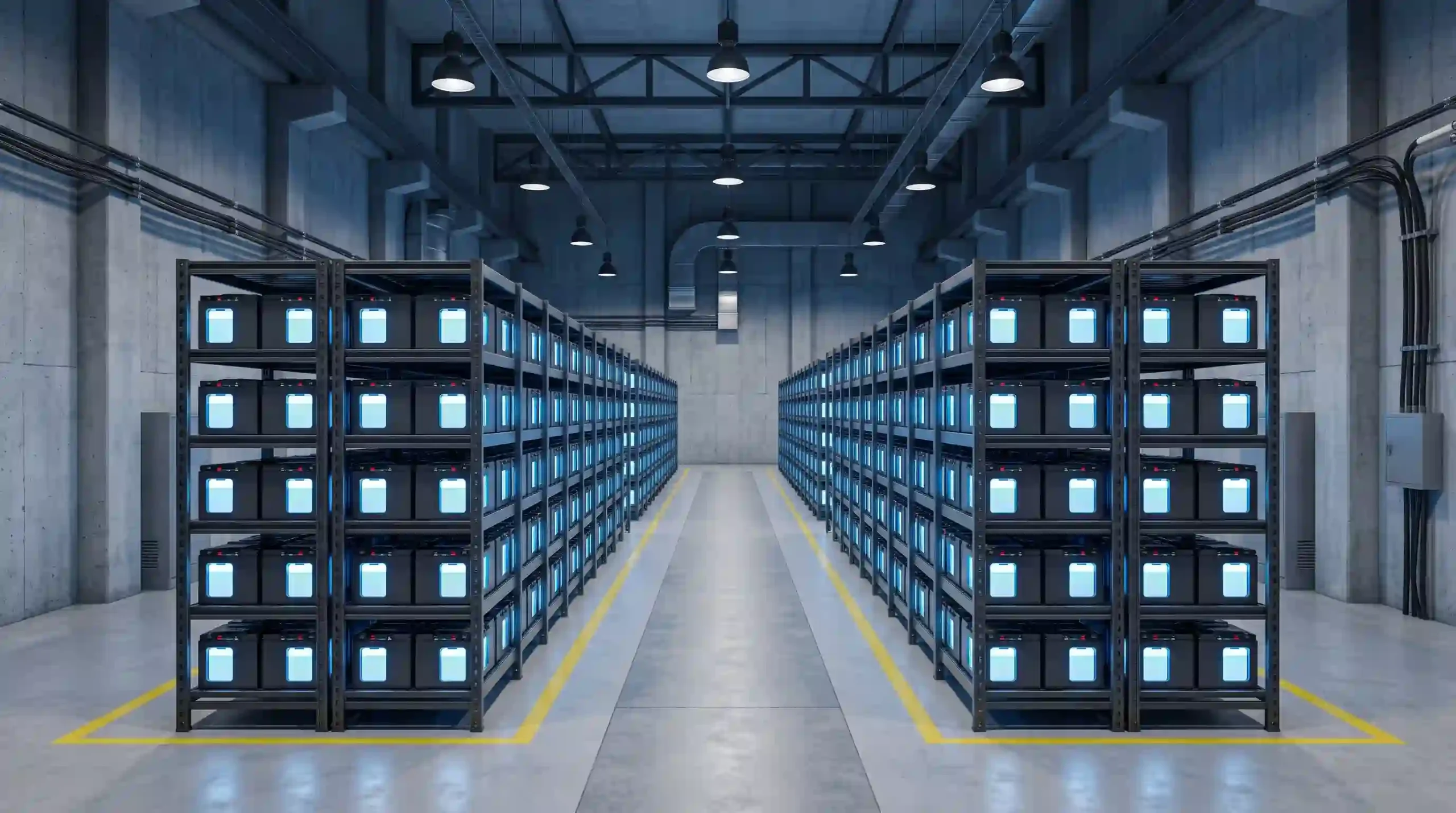
Key Components of a 3 Phase UPS System Battery Bank
The battery bank serves as the core energy storage medium within the system. It remains on standby, constantly receiving a trickle charge during normal grid operations.
During a sudden power outage, this unit instantly takes over the electrical load. It prevents any operational interruption, keeping your data center or facility fully functional.
Read Also: UPS Generator Systems: Complete Power Protection Guide
4. Static Bypass Switch
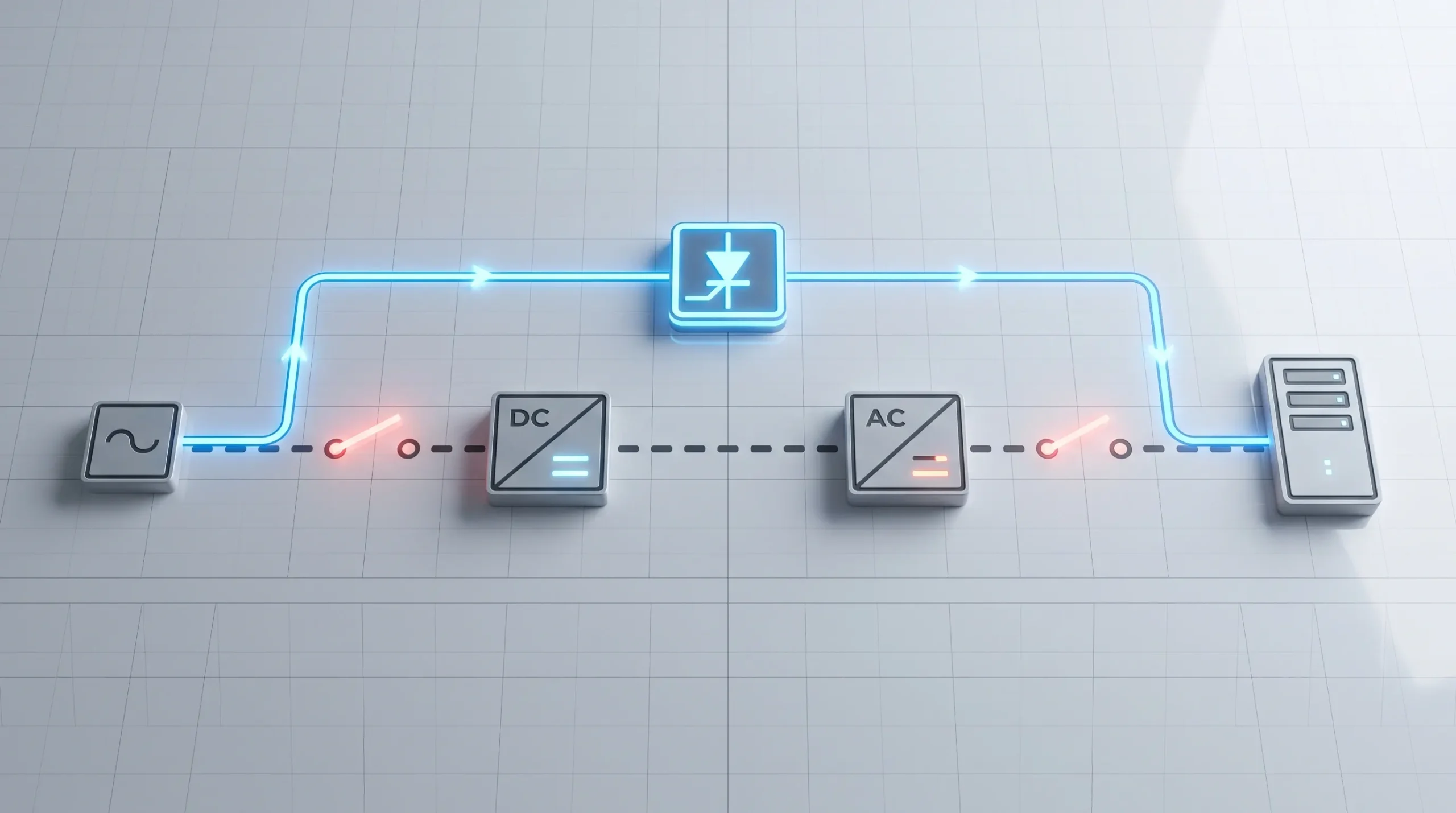
Key Components of a 3 Phase UPS System Static Bypass Switch
The static bypass switch is a critical safety and maintenance component. It creates an alternate path that allows electricity to bypass the core system entirely.
This allows engineers to perform safe hardware maintenance without shutting down operations. Connected devices continue receiving utility power seamlessly during system servicing.
Key Benefits of Implementing a 3 Phase UPS
Enterprise operations choose 3 phase ups over standard single-phase alternatives for superior reliability. These robust units optimize energy usage across large facility grids. Implementing this technology drastically reduces utility costs while maximizing hardware protection.
1. Balanced Load Distribution

Key Benefits of Implementing a 3 Phase UPS Balanced Load Distribution
This system excels at balancing complex electrical loads across three separate phases. By spreading the demand evenly, it eliminates dangerous neutral currents in your facility.
This balance significantly reduces the risk of localized overloads and overheating. Consequently, your expensive infrastructure enjoys a much longer operational lifespan.
Read Also: Data Center Infrastructure: Architecture & Key Components
2. High Efficiency and Power Capacity
Key Benefits of Implementing a 3 Phase UPS High Efficiency and Power Capacity
These systems easily manage massive power demands ranging from tens to hundreds of kVA. They deliver exceptional energy efficiency, reducing overall power waste in large buildings.
This high capacity ensures that large industrial motors run smoothly without causing voltage sags. It translates directly to lower utility bills and a smaller carbon footprint.
Read Also: Backup UPS Systems: Ultimate Protection for Electronics
3. Scalability and Redundancy
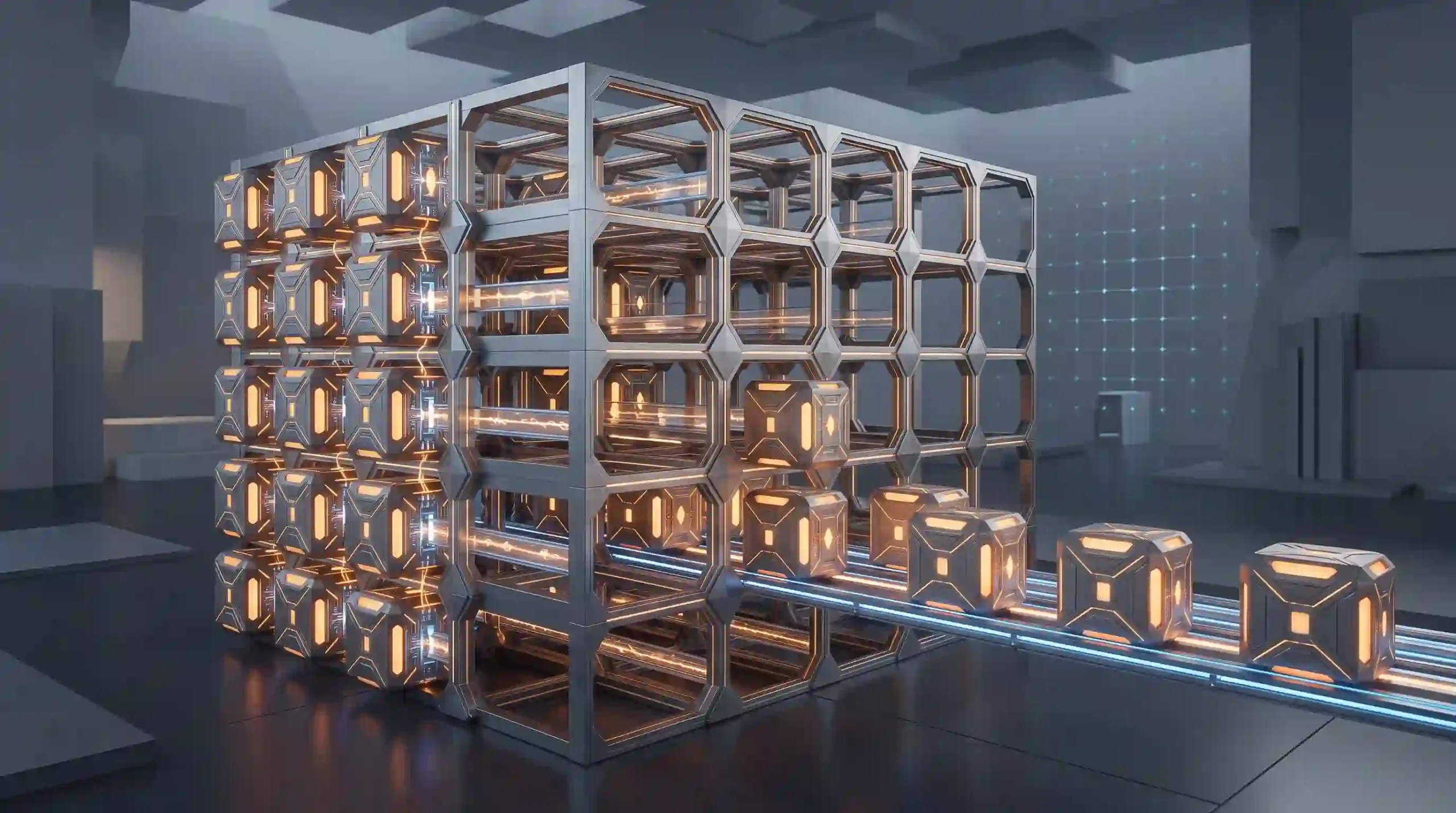
Key Benefits of Implementing a 3 Phase UPS Scalability and Redundancy
Modern units feature modular designs that allow enterprises to scale as their power needs grow. You can easily add power modules without replacing the entire unit.
They support parallel configurations to deliver the highest levels of system redundancy. This architecture guarantees maximum uptime, even if one module requires immediate service.
Top Applications and Target Users for 3 Phase UPS
High-capacity backup systems are vital across industries where power failure is not an option. A 3 phase ups protects sophisticated machinery from catastrophic data loss and physical damage. Let us examine the primary sectors that rely on this enterprise technology.
1. Data Centers and Server Rooms

Top Applications and Target Users for 3 Phase UPS Data Centers and Server Rooms
Digital infrastructures require uncompromised power to maintain continuous global connectivity. These systems guarantee up to 99.99% uptime for enterprise servers and vast storage systems.
They also support the heavy cooling units required to prevent hardware overheating. Without this protection, modern cloud networks would face frequent, catastrophic data corruption.
Read Also: Modern Data Center Design: Architecture & Power Guide
2. Healthcare and Medical Facilities

Top Applications and Target Users for 3 Phase UPS Healthcare and Medical Facilities
Hospitals rely on steady electricity to power life-saving diagnostic medical equipment. This technology protects highly sensitive MRI machines and CT scans from voltage drops.
Even a minor power flicker can ruin expensive scans or endanger patient safety. Reliable power backup ensures constant calibration and uninterrupted patient care delivery.
Read Also: Power Line Conditioner: Is One Really Necessary for Gear?
3. Manufacturing and Industrial Plants

Top Applications and Target Users for 3 Phase UPS Manufacturing and Industrial Plants
Modern factories run on heavy, automated industrial machinery and complex conveyor systems. This backup hardware supports large motorized devices, heavy-duty pumps, and facility elevators.
A sudden voltage interruption can cause severe mechanical damage and stall production lines. Continuous power preserves automated workflows and prevents expensive material waste.
Technical Specs and Installation Requirements
Deploying a 3 phase ups requires careful adherence to strict engineering standards. Proper planning ensures that your new hardware integrates flawlessly with your building’s existing electrical grid.
1. Operating Voltage Standards

Technical Specs and Installation Requirements Operating Voltage Standards
Industrial power systems operate at much higher thresholds than standard residential lines. The standard phase-to-phase operating voltage typically ranges from 380V to 415V.
This high voltage allows the system to transmit massive power efficiently over long distances. It ensures that heavy equipment receives the required torque without pulling excessive current.
Read Also: Understanding Power Conditioners and UPS: Which Do You Need?
2. Wiring and Cable Requirements
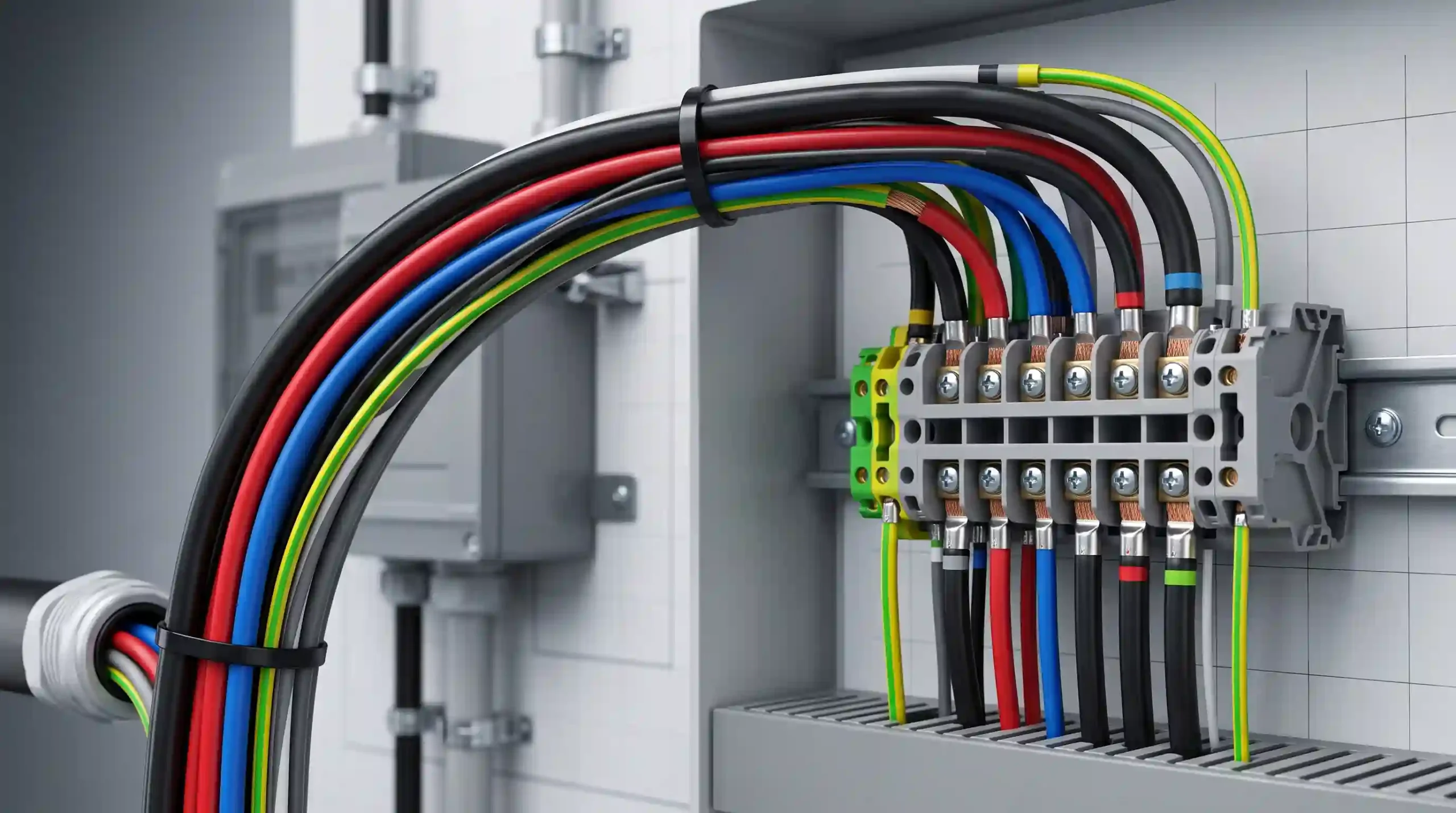
Technical Specs and Installation Requirements Wiring and Cable Requirements
Successful deployment requires a specialized 4-wire installation process within your electrical panel. This setup consists of 3 phase wires and one dedicated neutral wire.
This wiring standard allows the system to distribute power flexibly across your facility. It simultaneously supports both heavy 3-phase machinery and standard single-phase office electronics.
Conclusion and Power Architecture Resources
Securing your enterprise infrastructure against power anomalies requires strategic, long-term planning. Implementing a robust 3 phase ups is the most effective way to eliminate costly operational downtime.