


Unexpected power outages can bring business operations to a costly standstill, causing downtime, disrupted services, lost productivity, missed transactions, and significant revenue losses. Reliable backup power is therefore essential for business continuity.
A backup power generator for business supplies electricity when the utility grid fails, supporting critical systems and operations. This guide explains how to evaluate generator capacity, fuel requirements, load priorities, and overall power security needs.
Key Takeaways:
- A business backup generator maintains critical operations and reduces revenue losses caused by unexpected power outages.
- Generator types differ in capacity, mobility, power quality, and suitability for specific business environments.
- Proper sizing requires calculating running and starting loads while maintaining sufficient capacity headroom.
- Fuel choice affects runtime, storage, maintenance, emissions, and operating costs.
- Businesses should prioritize ATS installation, electrical safety, local compliance, noise limits, and environmental requirements.
Why Your Business Needs a Backup Power Generator
A reliable commercial backup power generator helps businesses maintain critical operations when utility electricity fails. Properly designed backup generation supports business continuity, protects essential infrastructure, and reduces the operational impact of prolonged outages.
1. Prevent Revenue Loss
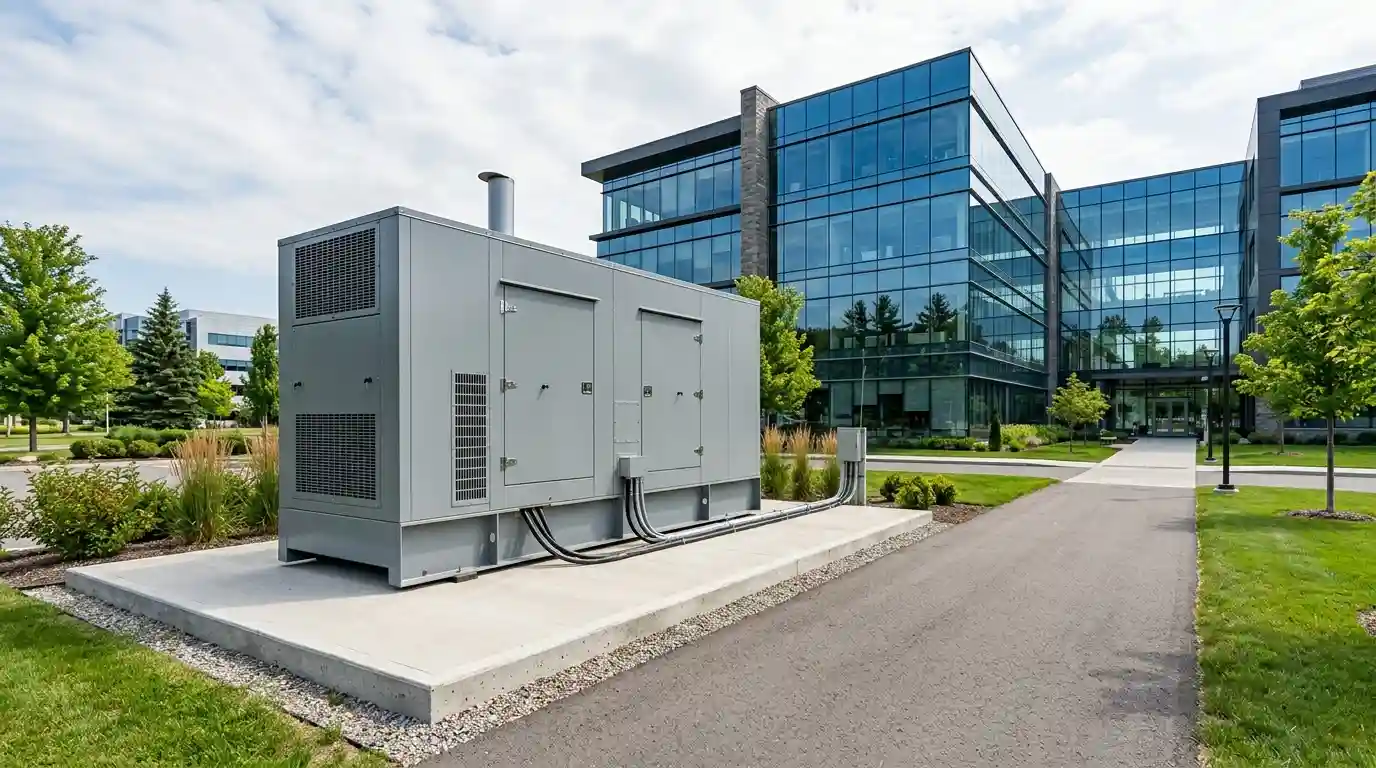
Why Your Business Needs a Backup Power Generator? For Prevent Revenue Loss
Power failures can interrupt point-of-sale (POS) systems, payment processing, machinery, and customer-facing services, preventing normal transactions and reducing productivity. Maintaining electricity for these critical business loads helps limit operational downtime.
A properly sized generator can keep essential equipment operating while unnecessary loads remain disconnected. Prioritizing revenue-generating systems helps organizations preserve productivity and reduce the financial consequences associated with extended power outages.
Read Also: UPS Backup Power: Protect Equipment & Prevent Downtime
2. Protect Sensitive Data
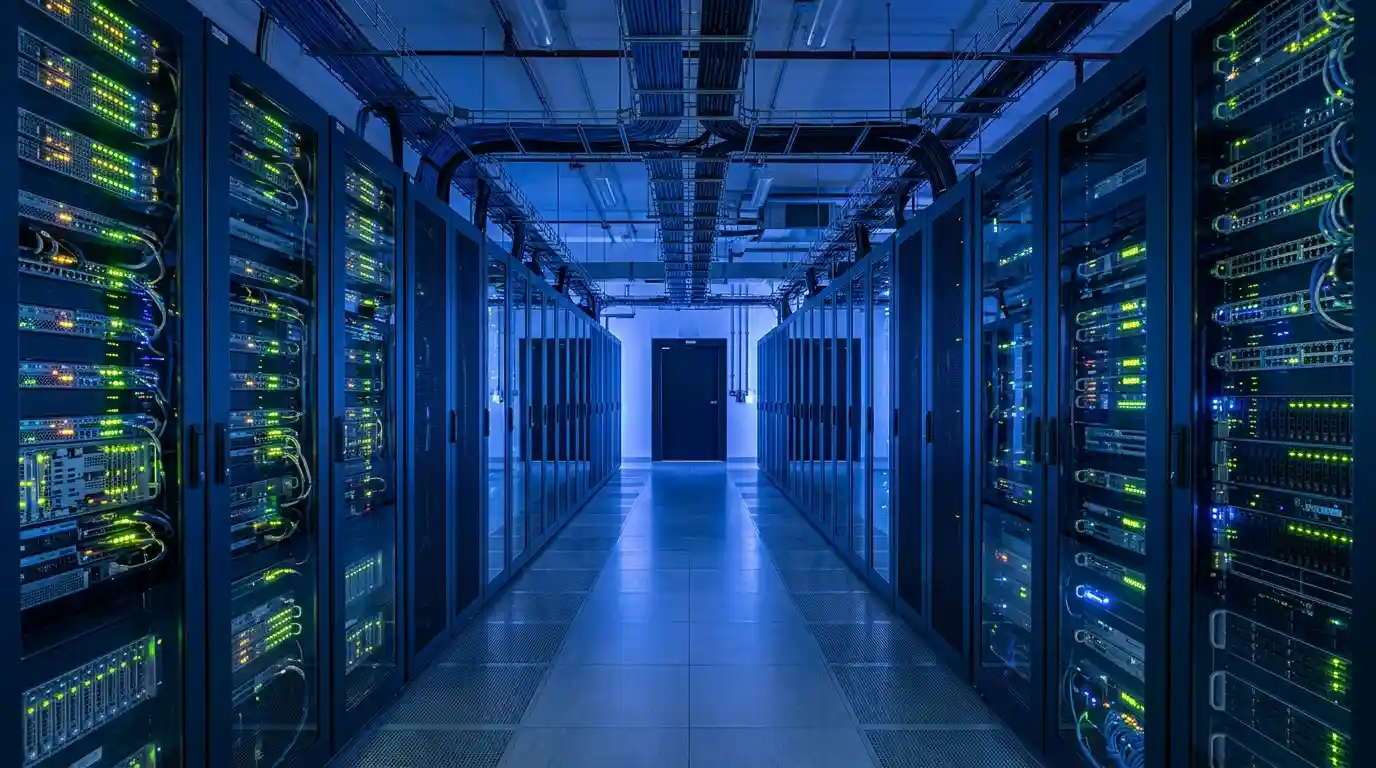
Why Your Business Needs a Backup Power Generator? For Protect Sensitive Data
Unexpected power interruptions can disrupt servers, networking equipment, storage systems, and business applications, potentially causing data corruption or system failures. Backup generation supports continued operation of essential IT infrastructure during outages.
Businesses can combine generators with an uninterruptible power supply (UPS) to bridge the transfer period and provide immediate protection. This layered approach strengthens power resilience for servers, communications, and other sensitive digital systems.
Read Also: What is a 3 Phase UPS? Working Principles & Benefits
3. Ensure Safety & Security
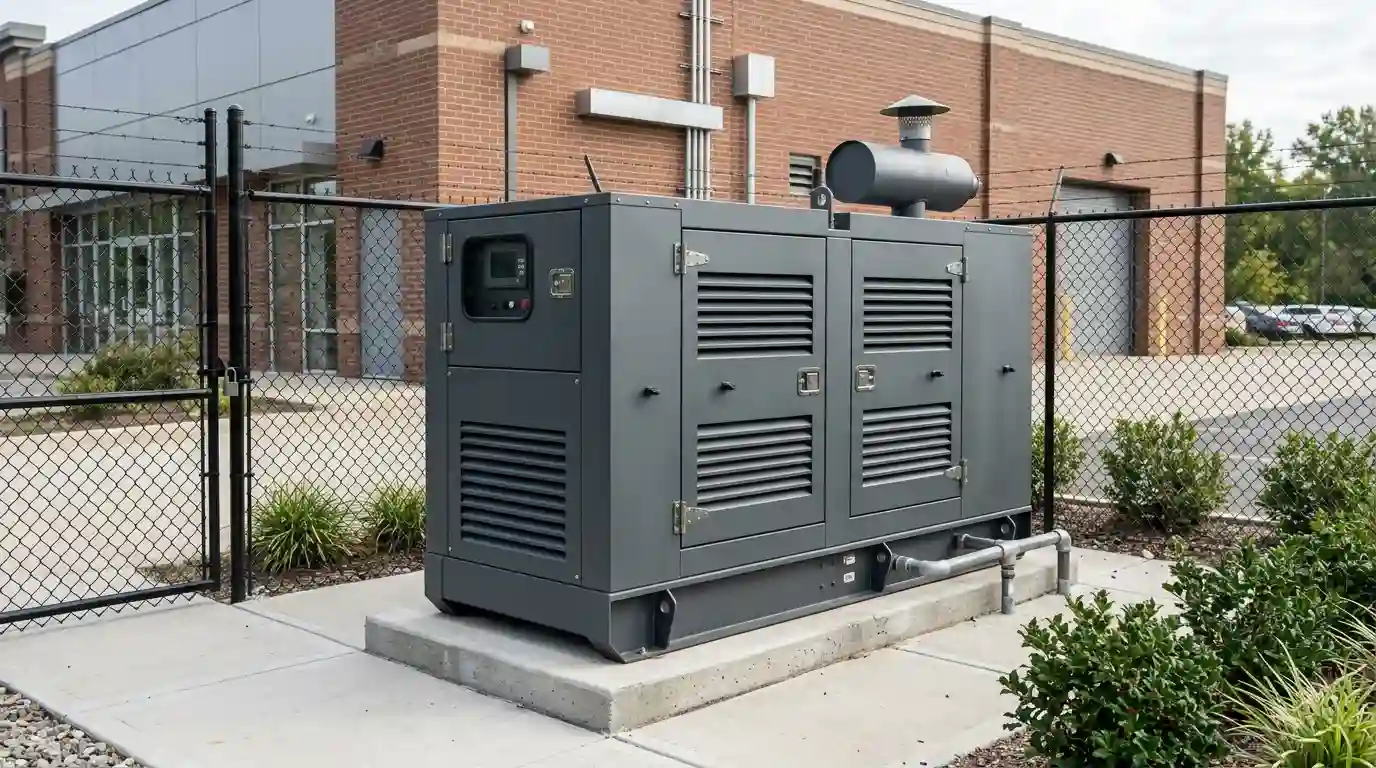
Why Your Business Needs a Backup Power Generator? Ensure Safety & Security
Backup generation can support emergency lighting, security cameras, access-control equipment, and selected HVAC systems during outages. Maintaining these essential services helps preserve workplace safety, facility security, and acceptable environmental conditions.
Businesses should identify safety-critical loads and allocate generator capacity accordingly, while ensuring proper installation, ventilation, transfer switching, and electrical isolation. These measures help reduce hazards associated with generator operation and emergency power systems.
Read Also: Critical Facilities: A Guide to Essential Infrastructure
Types of Commercial Generators to Consider
Businesses can choose among several generator types depending on required capacity, mobility, transfer requirements, and equipment sensitivity. Understanding these configurations helps organizations match backup power systems with specific operational conditions.
1. Commercial Standby Generators
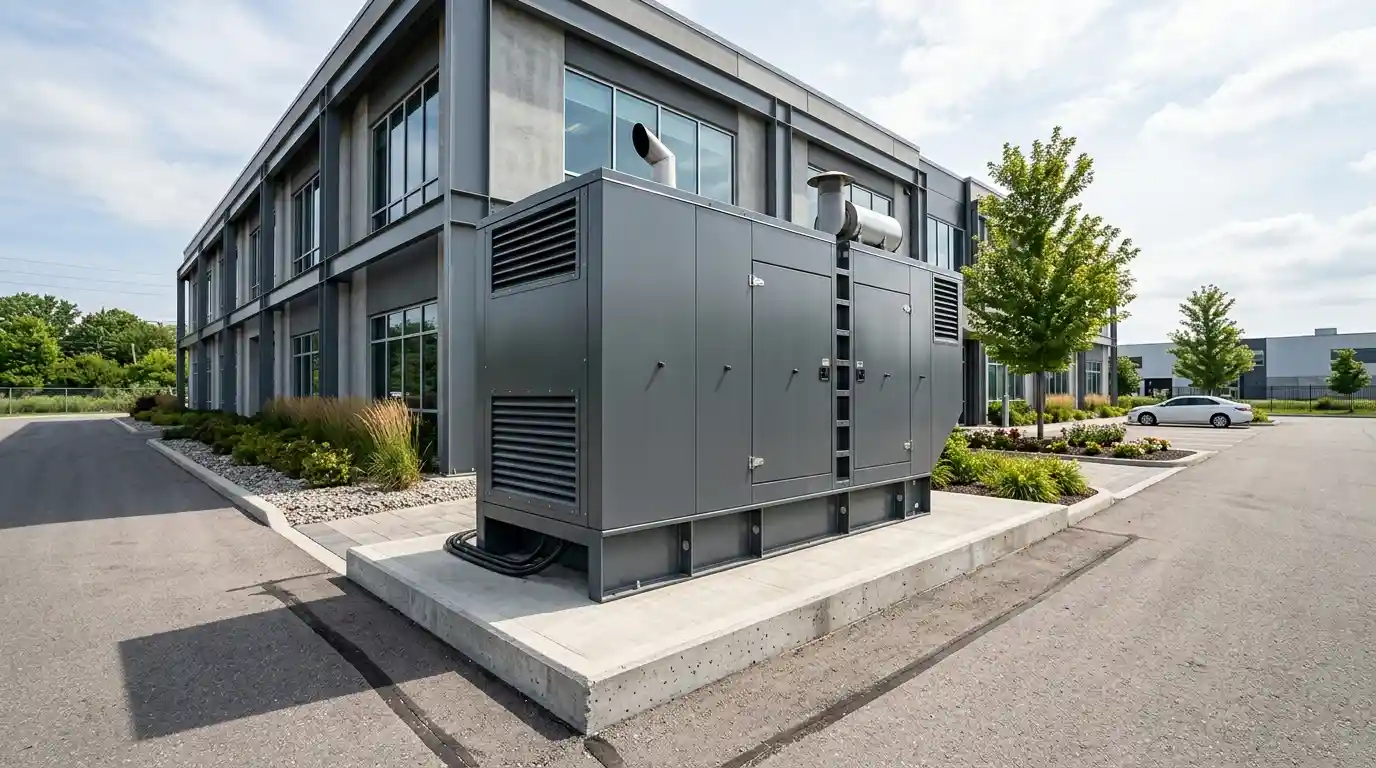
Types of Commercial Generators to Consider: Commercial Standby Generators
Commercial standby generators are permanently installed systems designed to provide backup electricity when the utility grid becomes unavailable. An automatic transfer switch (ATS) detects the outage, starts the generator, and transfers electrical loads automatically.
This configuration suits businesses requiring dependable automatic backup power for critical facilities, equipment, and services. Standby systems can use diesel, natural gas, propane, or other fuels depending on application and installation requirements.
Read Also: Double Conversion UPS: Guide to Online Power Backup
2. Portable Industrial Generators
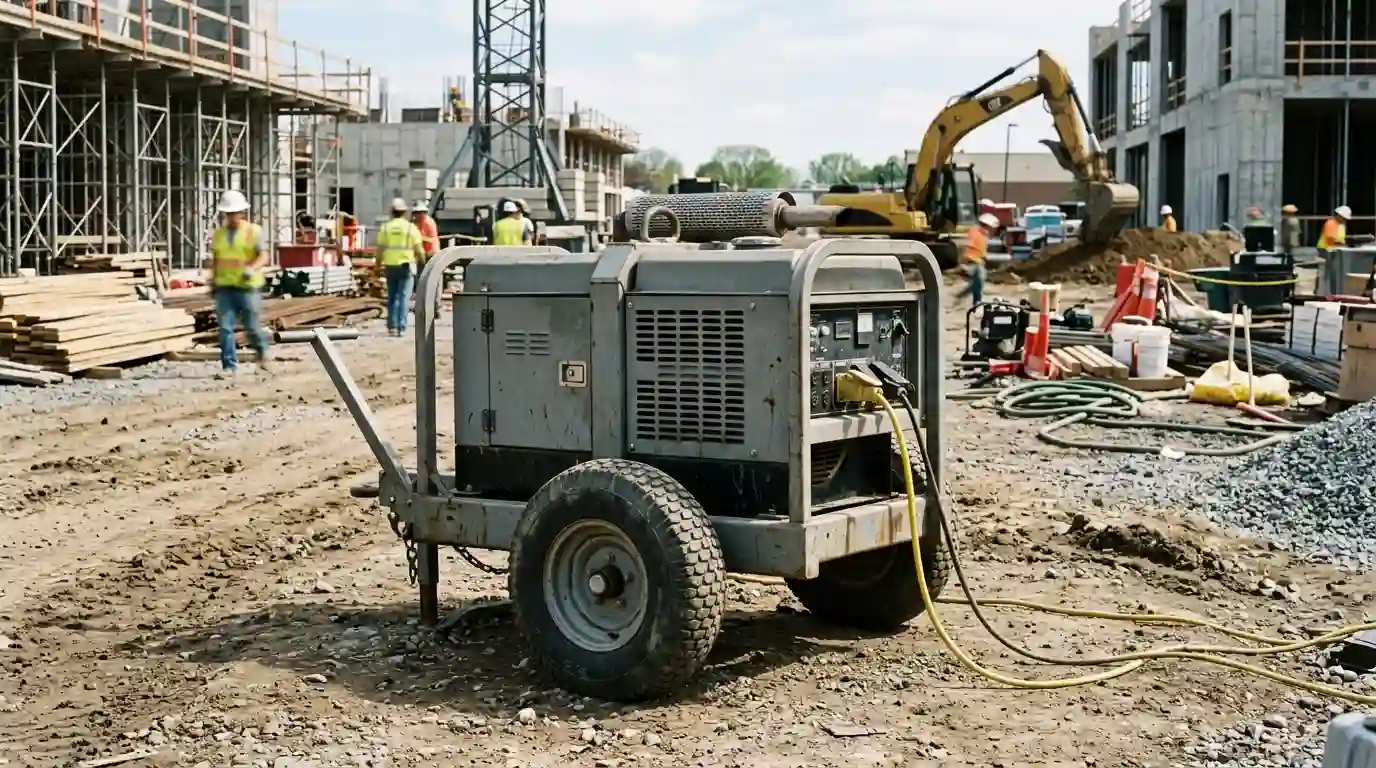
Types of Commercial Generators to Consider: Portable Industrial Generators
Portable industrial generators provide flexible temporary power without permanent installation, making them practical for construction sites, temporary facilities, emergency operations, and smaller businesses requiring mobile backup electricity.
Their mobility can reduce upfront infrastructure requirements, but businesses must carefully consider power capacity, fuel requirements, operating conditions, grounding, and electrical connections. Portable generators also require strict safety practices to prevent electrical and carbon-monoxide hazards.
Read Also: Understanding Power Conditioners and UPS: Which Do You Need?
3. Inverter Generators
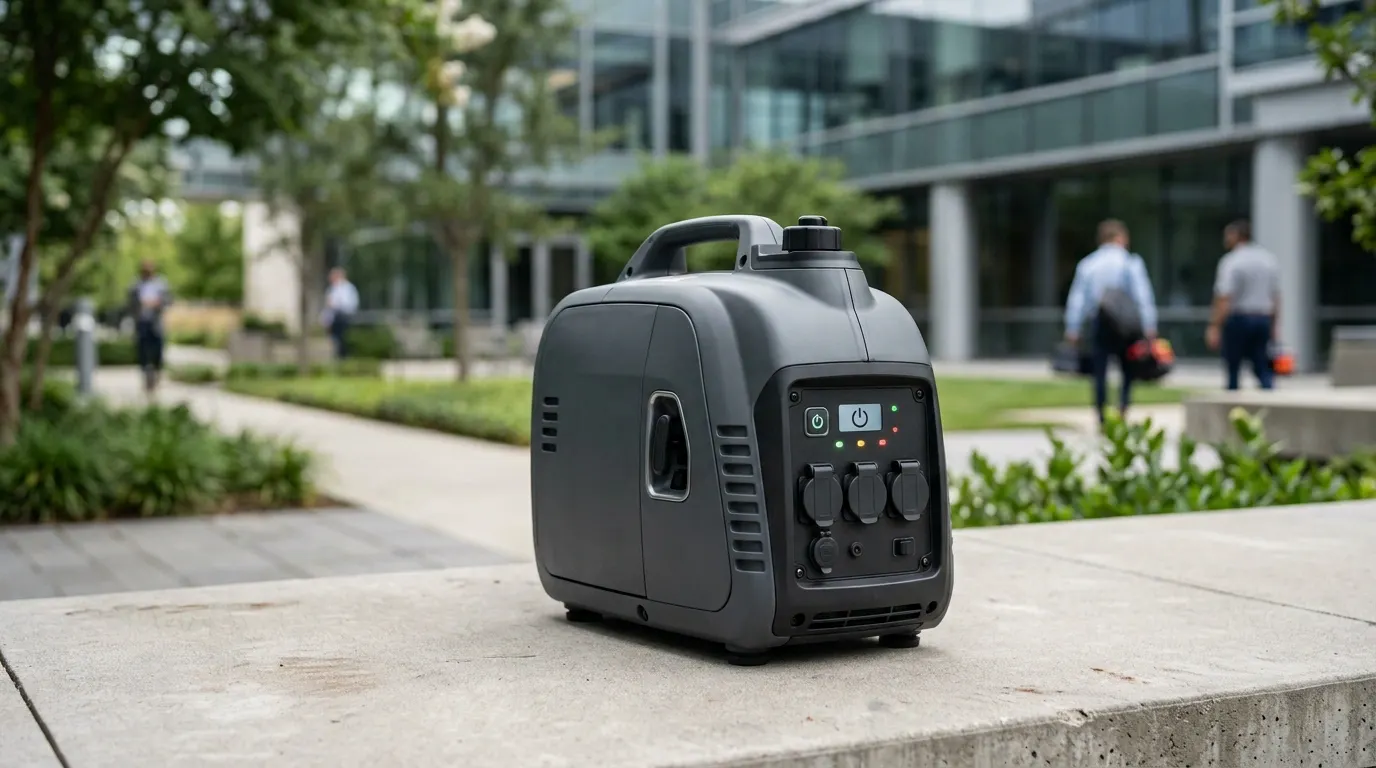
Types of Commercial Generators to Consider: Inverter Generators
Inverter generators use electronic power conversion to produce a cleaner, more consistent electrical output, making them suitable for computers, communications equipment, and other sensitive electronic devices requiring stable power quality.
Their compact design, lower noise, and efficient operation can benefit businesses needing portable power for smaller loads. However, capacity limitations mean larger commercial facilities may require conventional generators or permanently installed systems instead.
Read Also: Power Line Conditioner: Is One Really Necessary for Gear?
Key Factors When Choosing a Business Generator
Choosing a business backup generator requires more than comparing generator prices. Businesses should evaluate power requirements, fuel availability, transfer requirements, environmental conditions, regulations, and the operational importance of connected equipment.
1. Power Capacity Sizing (kW)
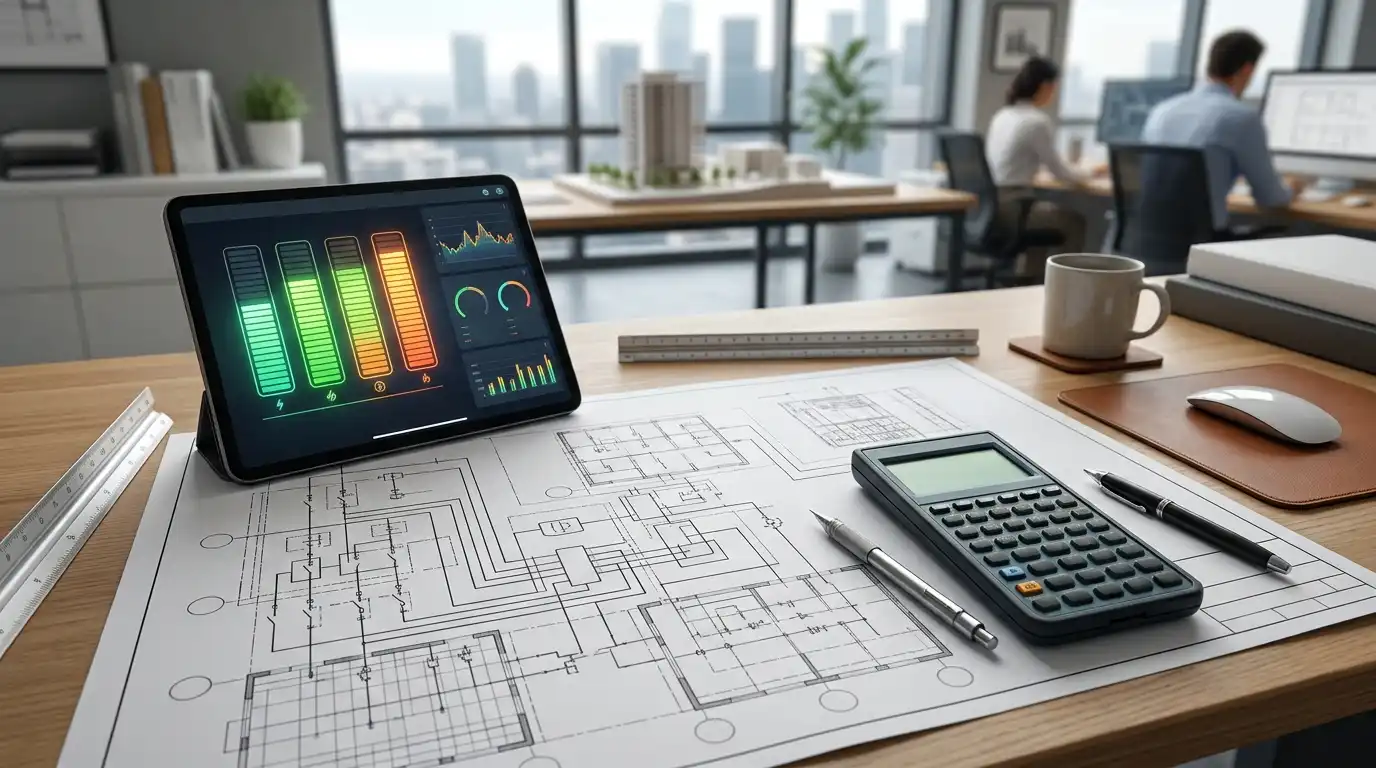
Key Factors When Choosing a Business Generator: Power Capacity Sizing (kW)
Generator sizing begins by identifying the running wattage and starting wattage of essential equipment. Motors, compressors, pumps, and similar loads may require substantially more power during startup than continuous operation.
Add the running requirements of prioritized equipment, then account for startup demands and appropriate capacity margin. This approach helps prevent generator overload, excessive voltage drop, and unreliable operation when multiple loads start simultaneously.
Read Also: Data Center UPS Systems: Functions and How They Work
2. Fuel Types Comparison
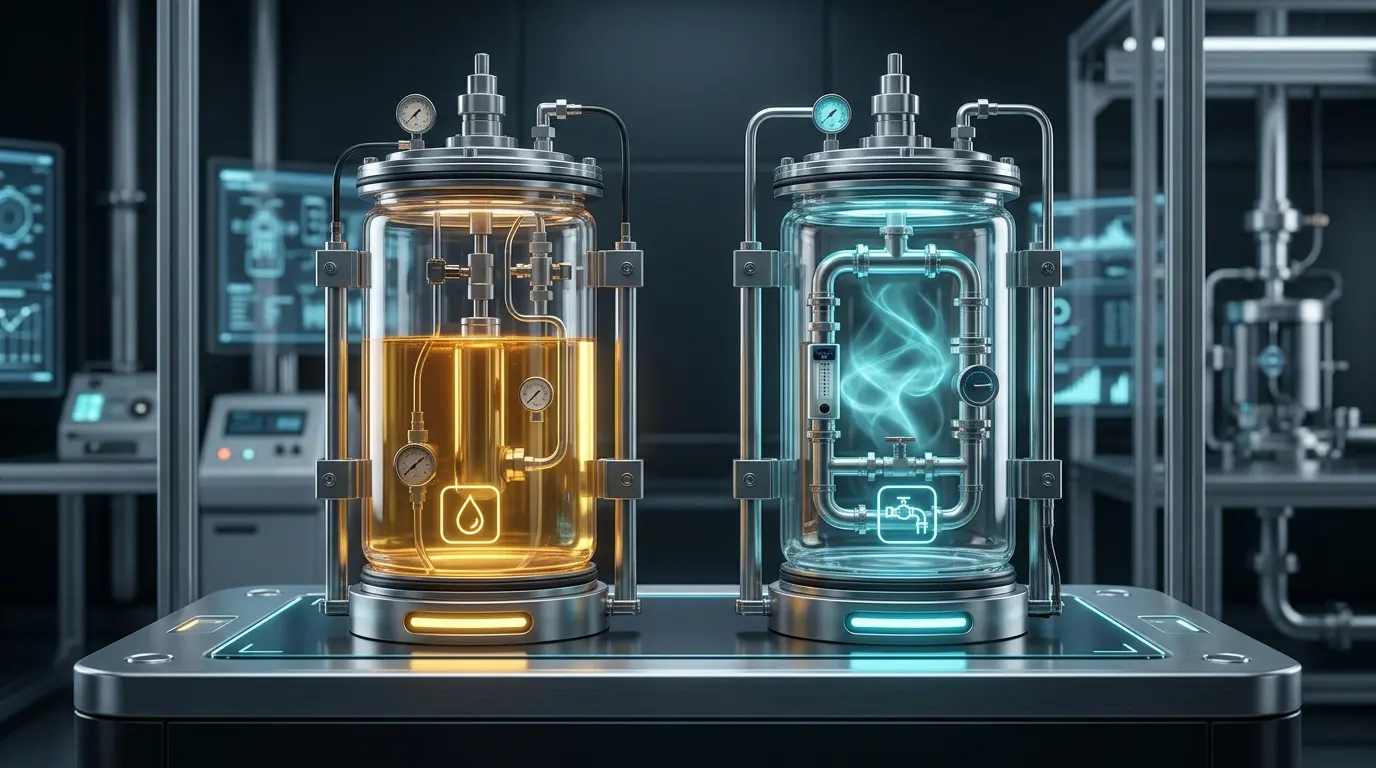
Key Factors When Choosing a Business Generator: Fuel Types Comparison
Fuel selection affects runtime, storage requirements, availability, maintenance, emissions, and operating costs. Diesel generators generally offer strong performance for demanding applications, while natural gas and propane can provide practical alternatives depending on infrastructure.
Natural gas generators can benefit from continuous pipeline availability, whereas propane generators offer stored-fuel flexibility. Diesel requires appropriate fuel storage and management, while businesses must evaluate applicable emissions and storage regulations for every installation.
Read Also: The Best Power Distribution Solution for Your Needs
3. Automatic Transfer Switch (ATS)
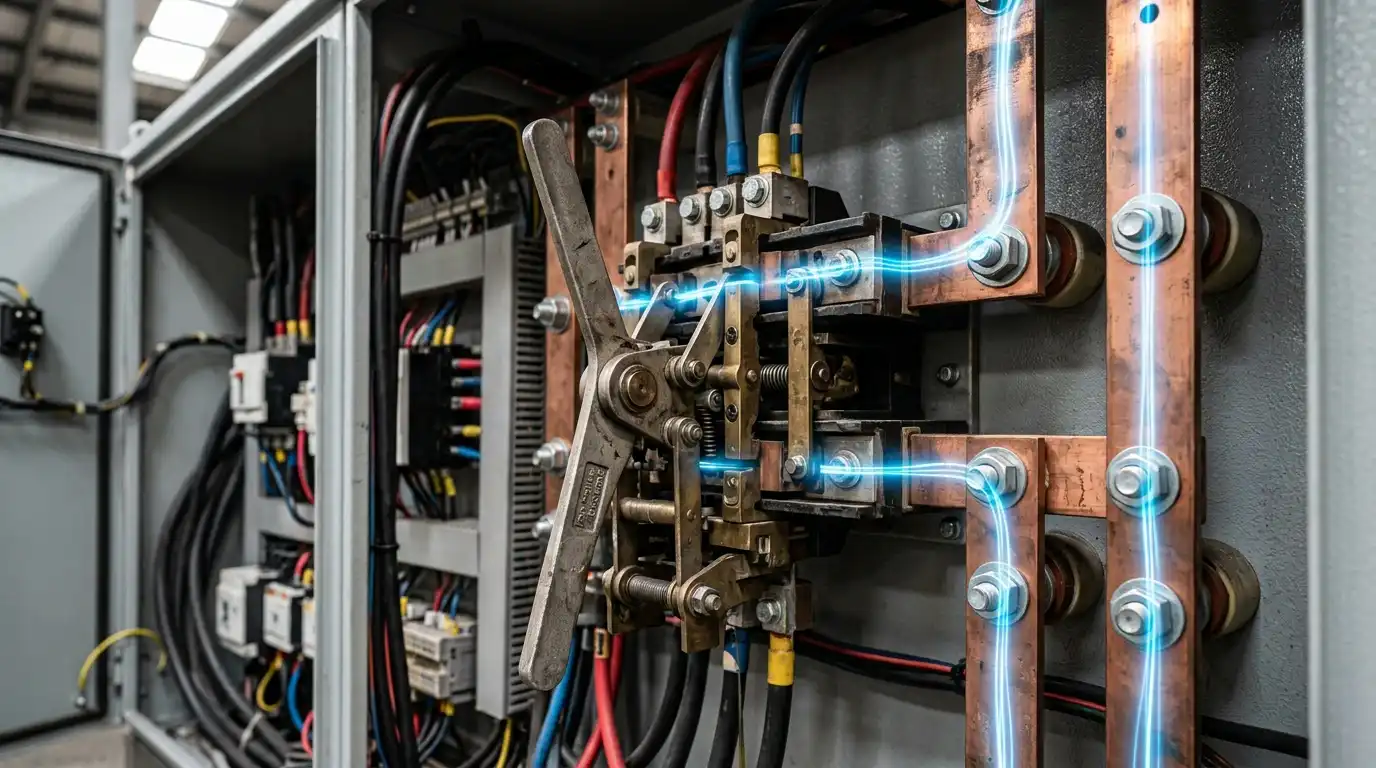
Key Factors When Choosing a Business Generator: Automatic Transfer Switch (ATS)
An automatic transfer switch (ATS) detects utility failure and transfers designated electrical loads to the generator without requiring manual intervention. This mechanism is particularly valuable for critical facilities and unattended operations.
A properly configured ATS system also helps prevent dangerous backfeeding into utility lines. Transfer equipment should be selected and installed according to applicable electrical codes, generator specifications, and the requirements of critical loads.
Read Also: Industrial Power Solutions: Powering Your Business Future
4. Local Compliance & Noise Levels
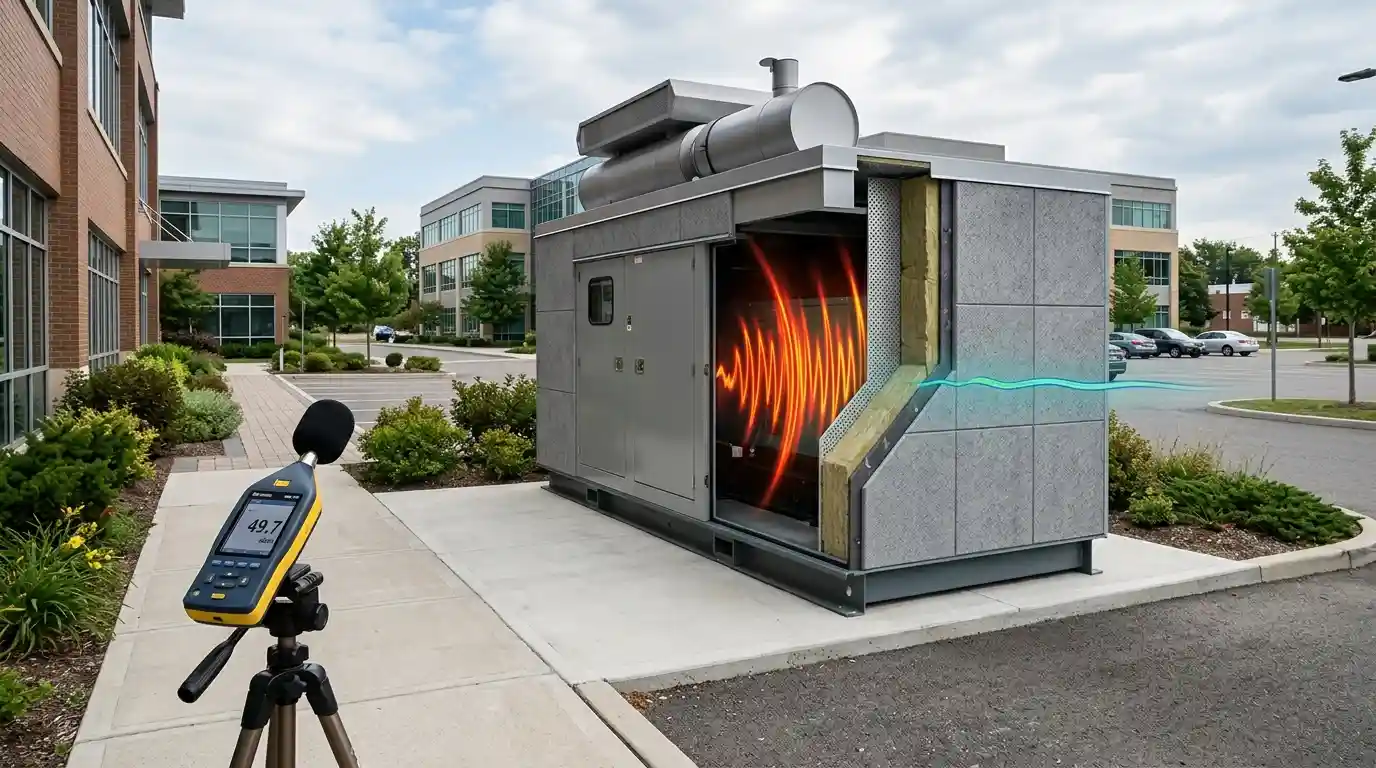
Key Factors When Choosing a Business Generator: Local Compliance & Noise Levels
Generator installations may need to satisfy local zoning requirements, building codes, noise restrictions, fuel-storage rules, and environmental permits. Requirements vary by jurisdiction, so businesses should consult relevant authorities before installation.
In the United States, stationary engines can also fall under EPA emissions requirements, including NESHAP and NSPS regulations. Fuel-storage systems may have additional federal requirements, particularly for underground tanks.
References:
- Cybersecurity and Infrastructure Security Agency. (2020). Emergency communications systems value analysis guide. U.S. Department of Homeland Security.
- U.S. Department of Energy. (2013). Business owners: Prepare for utility disruptions. U.S. Department of Energy.
- U.S. Department of Energy. (2021). Equipment operations and maintenance summaries: Standby generators. U.S. Department of Energy.